

Top Highlights
- Microbes in fish guts produce calcium carbonate, affecting ocean chemistry.
- Fish and gut microbiomes collaborate in mineral production, influencing carbon cycles.
- Research showed fish’s ichthyocarbonate production varies by water salinity levels.
- Findings highlight microscopic life’s role in ocean health and ecosystem functions.
Microbial Partnerships and Ocean Chemistry
Scientists have revealed a hidden alliance that may reshape our understanding of ocean health. Tiny microbes residing inside fish play a significant role in the production of calcium carbonate. This mineral is crucial for ocean chemistry and the marine carbon cycle. Traditionally, researchers believed that fish alone managed this process. However, this new study shows that gut bacteria actively collaborate with their fish hosts to produce these essential mineral pellets, known as ichthyocarbonates.
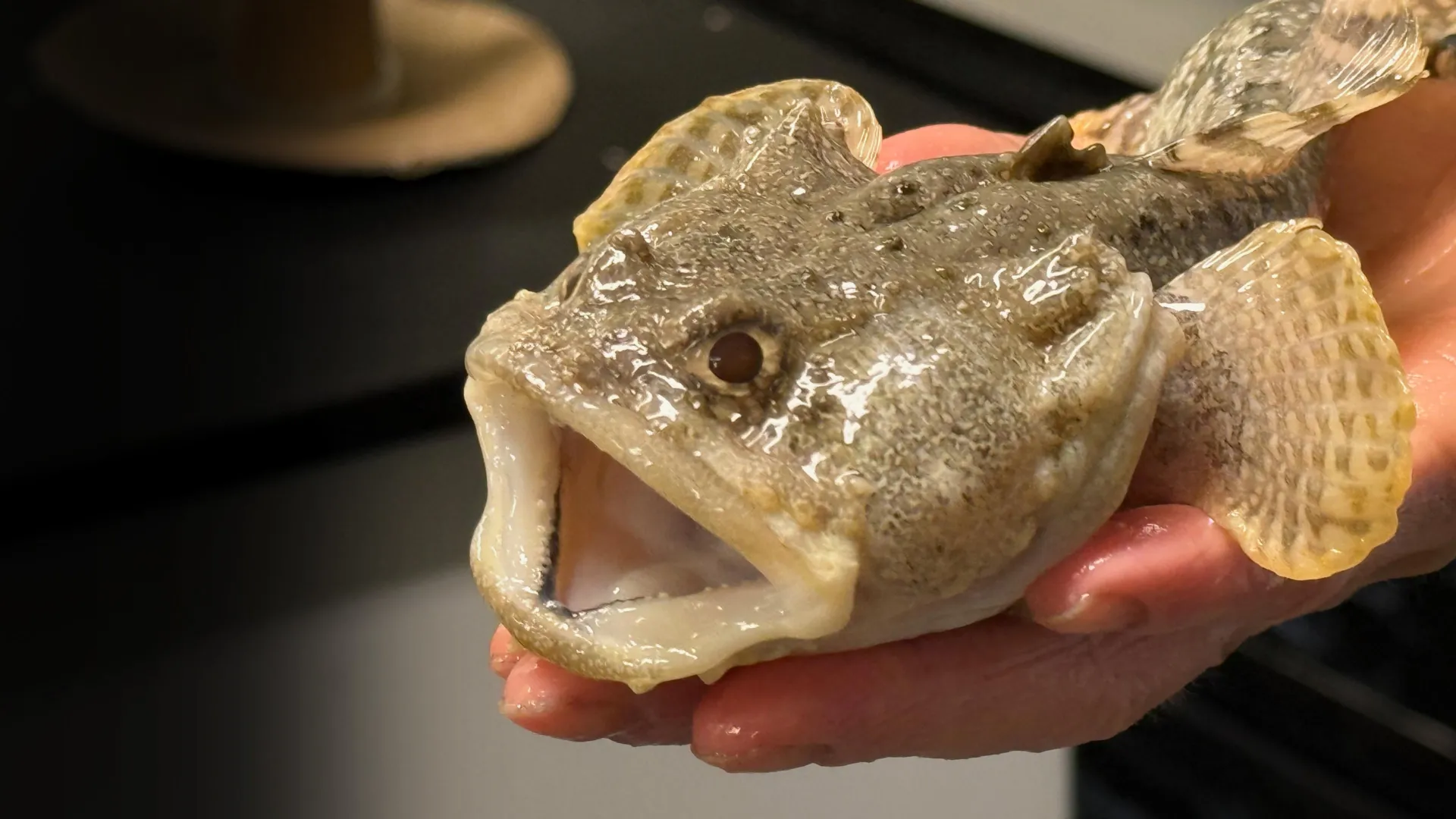
Bony fish, referred to as teleosts, continuously drink seawater to stay hydrated. As they process the seawater, they release excess calcium and carbonate ions. Researchers focused on Gulf toadfish in various salinity conditions to investigate how these environments impacted ichthyocarbonate production. The results were striking. Fish in low-salinity water produced no calcium carbonate. In contrast, those in saltier conditions thrived, with higher production rates noted in hypersaline environments.
Impacts on Marine Ecosystems
This discovery underscores the importance of microbiomes in broader environmental processes. The researchers found high concentrations of specific bacteria, including Photobacterium damselae subsp. damselae, in fish intestines. These bacteria may directly contribute to calcium carbonate development. The partnership demonstrates how microscopic life influences global phenomena, such as carbon storage and nutrient cycles.
Understanding the interplay between fish and their gut microbes offers a fresh perspective on marine ecosystems. It reveals a world of symbiosis that could help us manage ocean health. As we confront challenges like climate change and ocean acidification, these findings provide a new lens through which to view solutions. They remind us that every component of an ecosystem, down to the tiniest microbe, matters in the fight to preserve our oceans.
Stay Ahead with the Latest Tech Trends
Explore the future of technology with our detailed insights on Artificial Intelligence.
Stay inspired by the vast knowledge available on Wikipedia.
TechV1
