

Top Highlights
- Artemis II crew’s data helps NASA understand human adaptation to spaceflight.
- Researchers conducted medical tests and obstacle courses after splashdown feedback.
- NASA analyzes organ chips to study radiation effects on human health.
- Over 11,500 images and audio recordings from the mission will be archived.
Post-Mission Research on Human Health
Since the Artemis II crew members returned from their historic mission around the Moon on April 10, science teams have been diligently analyzing the wealth of data gathered during the flight. The mission representatives, including NASA astronauts Reid Wiseman, Victor Glover, Christina Koch, and Canadian Space Agency astronaut Jeremy Hansen, provided critical insights. Their experiences shed light on how astronauts adapt from the unique conditions of microgravity back to Earth’s gravitational pull.
Collecting data promptly after splashdown was crucial. Understanding how the human body responds to the transition from space to Earth informs NASA’s mission planning for future deep-space expeditions, including trips to the Moon and Mars. This research is essential, as astronauts will often lack ground support on distant planetary surfaces.
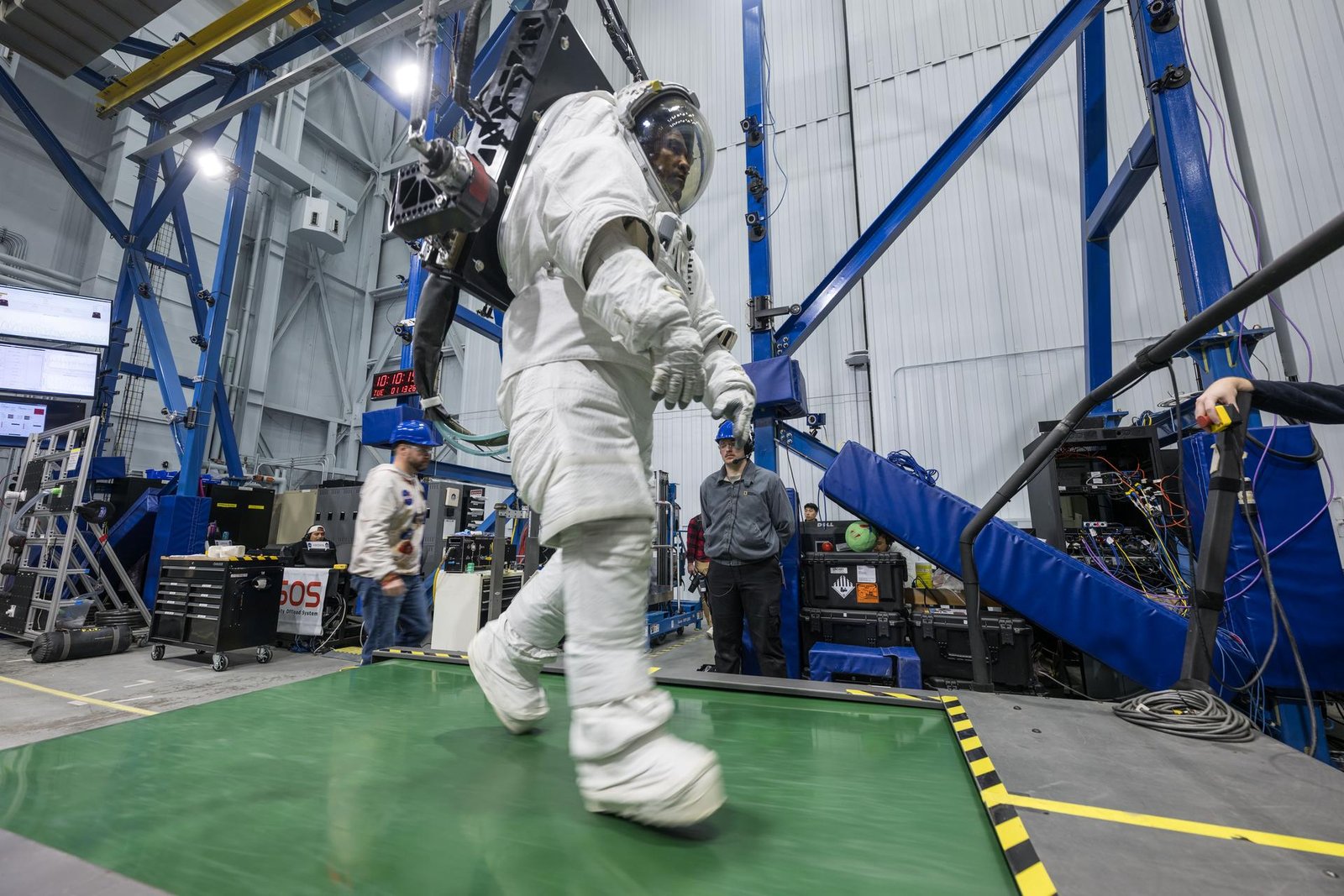
Shortly after their return, the crew participated in the Artemis II Spaceflight Standard Measures study. This research features a comprehensive collection of health metrics like blood pressure, heart rate, and motor control. To evaluate their physical adaptation, crew members navigated a mini obstacle course, which assessed tasks such as standing up and climbing a ladder. This simulation approximates the physical challenges they may face in lunar gravity, which is roughly one-sixth of Earth’s gravitational force.
Subsequent tests at NASA’s Johnson Space Center included cognitive assessments and motor control evaluations. The crew’s performance during these tasks, alongside data from wearable devices used in-flight, will enhance understanding of how space travel impacts physical and mental well-being. Initial health studies concluded 45 days post-splashdown, but follow-up evaluations will continue throughout the astronauts’ lives.
Data Utilization and Lunar Observations
As part of the ongoing research, NASA is harnessing groundbreaking technologies. One innovative project, the AVATAR study, involves organ chips—miniature models designed to replicate human physiological responses in space conditions. These chips, containing bone marrow cells from each astronaut, were closely monitored for changes induced by deep space radiation and microgravity. Analysis will focus on how well these organ chips simulate individual responses, fostering a deeper understanding of astronaut health.
Meanwhile, the Artemis II crew actively contributed to lunar science by studying the Moon’s surface features during their closest approach. Their observations were structured using a minute-by-minute plan crafted by a specialized science team. The collected data, comprising images, videos, and audio recordings, will undergo thorough evaluation. A detailed report on initial findings, covering lunar surface characteristics, is anticipated later this year.
In addition, NASA plans to release over 100 audio recordings from the mission, complemented by around 11,500 data files containing images and videos. Many of these will be available through NASA’s Planetary Data System, creating a comprehensive public archive of information from all planetary missions. The goal is to make future research accessible and support ongoing scientific inquiry for generations to come.
For more details on NASA’s Artemis II research endeavors, visit the official NASA webpage dedicated to this initiative.
Stay Ahead with the Latest Tech Trends
Dive deeper into the world of Cryptocurrency and its impact on global finance.
Discover archived knowledge and digital history on the Internet Archive.
Space
