

Quick Takeaways
- SpaceX Dragon spacecraft is returning from the ISS on June 16.
- It will carry significant cargo, including biomedical research samples and hardware.
- NASA’s live undocking begins at 11:45 a.m. EDT on various platforms.
- Splashdown off California is scheduled for June 17, at 5:08 a.m. PDT.
NASA’s 34th SpaceX Resupply Mission Departure
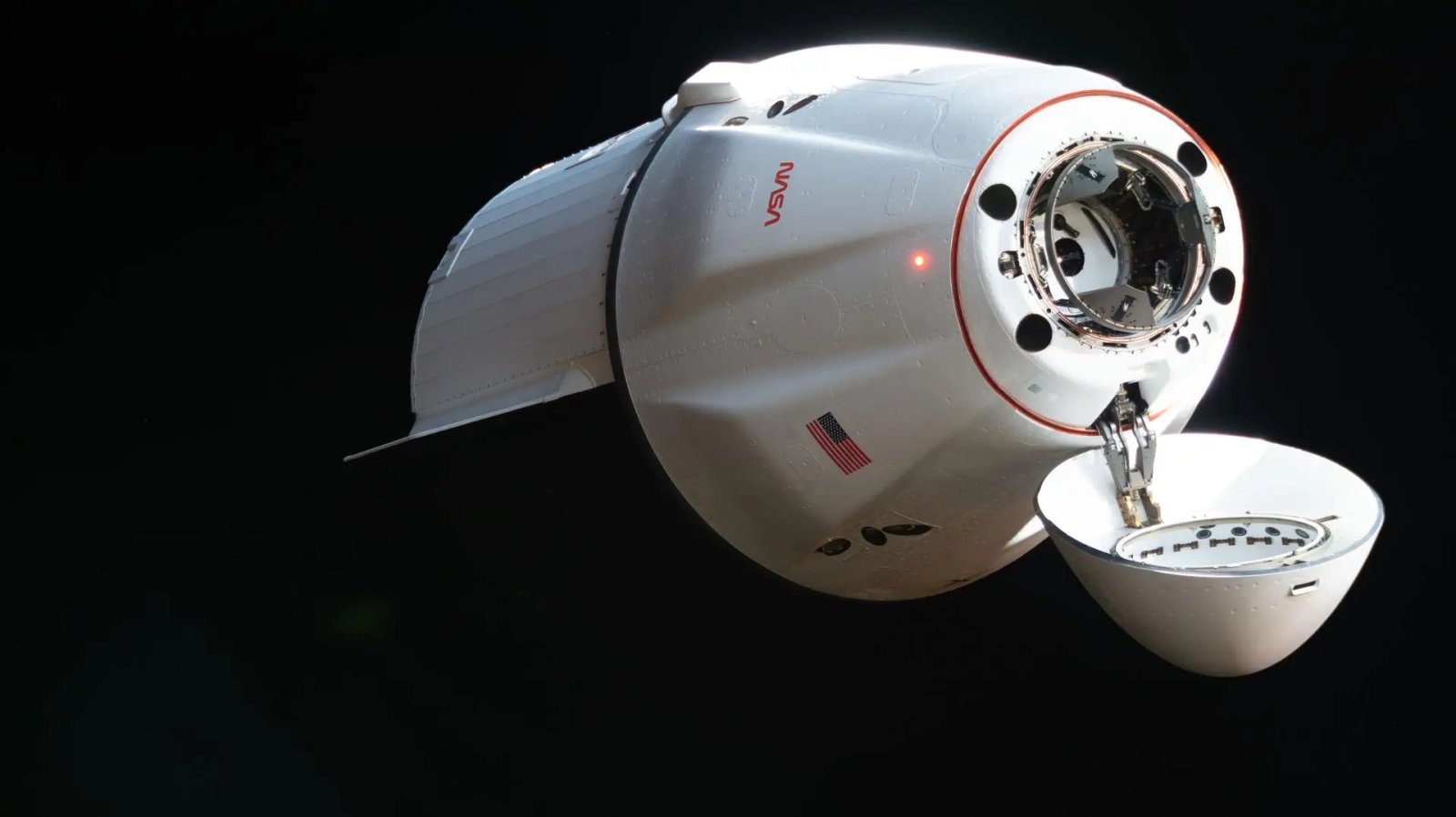
NASA, in collaboration with its international partners, is poised to receive a wealth of scientific research samples and hardware as the SpaceX Dragon spacecraft departs from the International Space Station (ISS). This significant event is scheduled for Tuesday, June 16. Live coverage of the undocking will begin at 11:45 a.m. EDT, available on NASA+, Amazon Prime, and the agency’s YouTube channel.
At approximately 12:05 p.m. EDT, the Dragon spacecraft will undock from the Harmony module. SpaceX ground controllers will issue a command, allowing the spacecraft to fire its thrusters and carefully distance itself from the ISS. The spacecraft’s return journey includes a planned reentry into Earth’s atmosphere on Wednesday, June 17. It is expected to splash down off the California coast at about 5:08 a.m. PDT. While NASA will not livestream the splashdown, updates will be shared on its space station blog.
Scientific Cargo and Future Implications
The Dragon spacecraft carries nearly 6,500 pounds of cargo, comprising vital scientific experiments and equipment that could influence future space exploration efforts and advancements on Earth. Among the returning samples are bioprinted organ and cartilage tissues with potential applications in regenerative medicine. Additionally, data on optimizing cryogenic fuel storage is crucial for enhancing the efficiency of future missions.
The hardware being returned includes an ocular imaging device designed to monitor astronauts’ eye health. This device aligns with the emphasis on crew health in long-duration space missions. An absorbent bed that filters trace contaminants from cabin air will also make its way back, as will a separator pump from the waste and hygiene compartment, both essential for maintaining a safe living environment aboard the ISS.
The Dragon spacecraft previously arrived at the ISS on May 17, following its launch two days earlier aboard a Falcon 9 rocket. For over 25 years, astronauts have lived aboard the ISS, facilitating groundbreaking research that would be impossible on Earth. This ongoing commitment to exploration provides insights into human spaceflight challenges and expands commercial opportunities in low Earth orbit. Furthermore, it lays the groundwork for future missions aimed at the Moon and Mars, aligned with NASA’s Artemis program.
Stay connected with NASA for updates, images, and detailed features about the space station through platforms like Instagram, Facebook, and X. Additional information about ISS research and operations can be found at NASA’s official website.
Expand Your Tech Knowledge
Dive deeper into the world of Cryptocurrency and its impact on global finance.
Explore past and present digital transformations on the Internet Archive.
Space
