

Top Highlights
- The vaquita, a critically endangered porpoise, is close to extinction.
- Illegal gillnet fishing for totoaba fish threatens the remaining vaquita population.
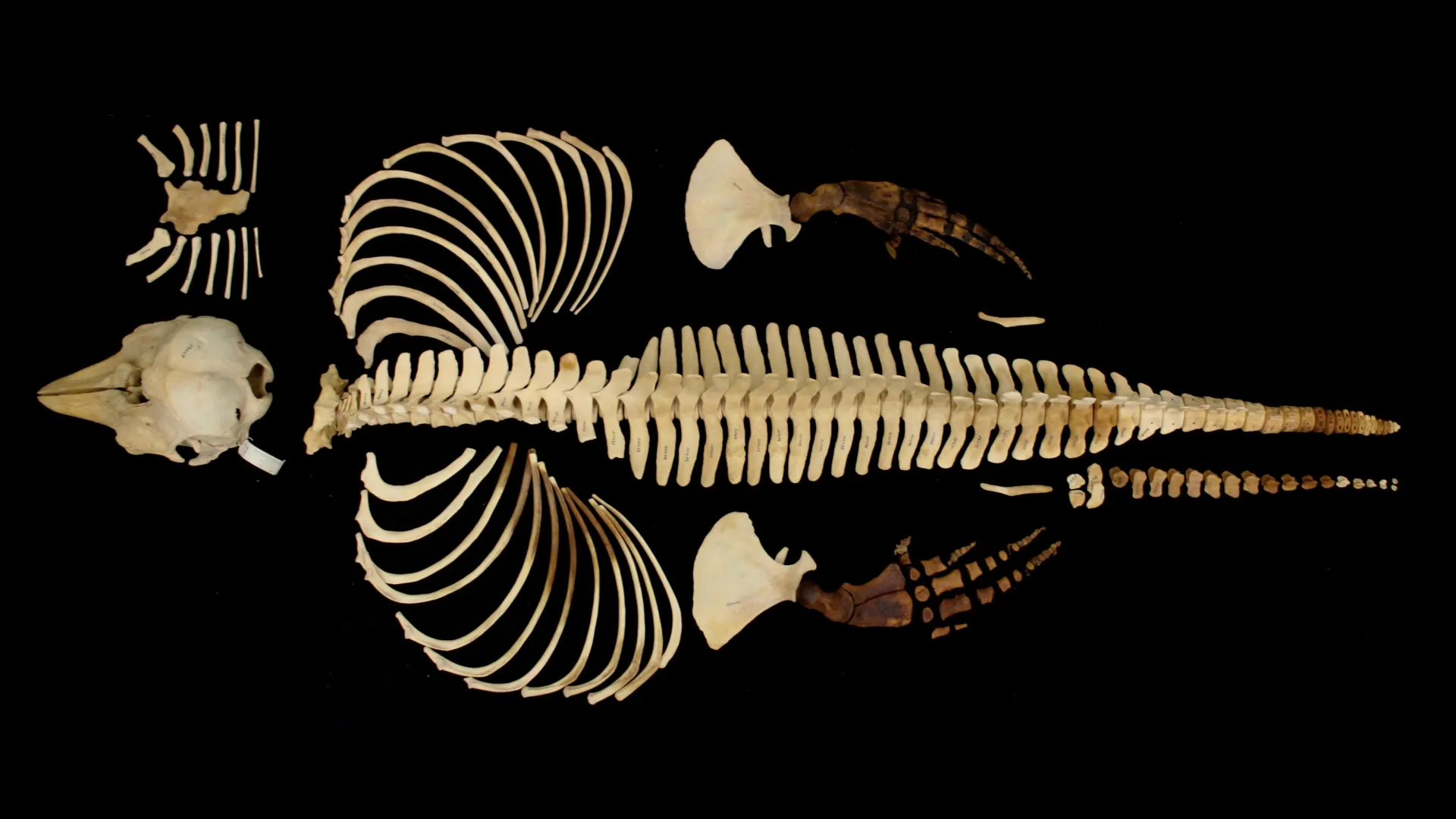
- Researchers created a comprehensive digital archive of a vaquita skeleton.
- Open-access 3D models promote conservation awareness and support education efforts.
Preserving the Vaquita through Advanced Imaging
The vaquita, a small porpoise found only in the shallow waters of Mexico’s northern Gulf of California, faces imminent extinction. With an estimated number of just a handful remaining, this species exemplifies the biodiversity crisis troubling our oceans. Conservationists warn that if urgent actions are not taken, one of the world’s most endangered marine mammals could vanish entirely. While illegal fishing for totoaba drives this decline, hope arises from unexpected technology.
Researchers at Florida Atlantic University, in collaboration with several respected institutions, have created a comprehensive digital archive of a vaquita skeleton. They utilized advanced imaging techniques, such as medical CT scans and micro-CT imaging, to capture intricate details of this rare porpoise. The result is a collection of three-dimensional models that allows the scientific community and the public to study the vaquita without risking damage to the fragile original bones. This initiative not only preserves the knowledge surrounding the vaquita but also serves as a powerful educational tool.
Finding ways to engage the public is vital for conservation efforts. Providing open access to these 3D models democratizes knowledge. Anyone, anywhere can explore the anatomy of the vaquita, learn about its struggles, and advocate for its survival. Creating scientifically accurate replicas for museums and classrooms raises awareness. Education can galvanize support for initiatives aimed at reducing illegal fishing and protecting marine ecosystems.
The Role of Technology in Conservation
Advanced imaging represents a vital component in modern conservation efforts. Researchers employed a meticulous workflow that transformed raw data into usable models. They documented the vaquita skeleton with a level of clarity that was previously unattainable. The integration of multiple imaging techniques allowed for a complete visual representation of the creature.
However, while technology shows great promise, challenges remain. Digital models cannot replace the need for real-world action. Conservationists must influence policymakers to ban gillnet fishing effectively. They need to dismantle the illegal totoaba trade that threatens the vaquita. Technology can aid these efforts, but it cannot solve the problem alone.
Overall, the digital lifeline for the vaquita is a beacon of hope amid despair. It illustrates how innovation can complement traditional conservation efforts. As the global community rallies to save the vaquita, the melding of science, technology, and public engagement becomes crucial. The future of this extraordinary species hinges on our ability to act decisively, utilizing every tool at our disposal.
Stay Ahead with the Latest Tech Trends
Learn how the Internet of Things (IoT) is transforming everyday life.
Stay inspired by the vast knowledge available on Wikipedia.
TechV1
