

Essential Insights
- Wrist tattoos often interfere with fitness tracker heart rate sensors and readings.
- Device manufacturers advise against wearing trackers over tattooed skin for accuracy.
- Users have developed workarounds like repositioning devices or using stickers.
- More research is needed to improve sensor reliability for tattooed skin.
### The Challenge of Tattoos and Fitness Trackers
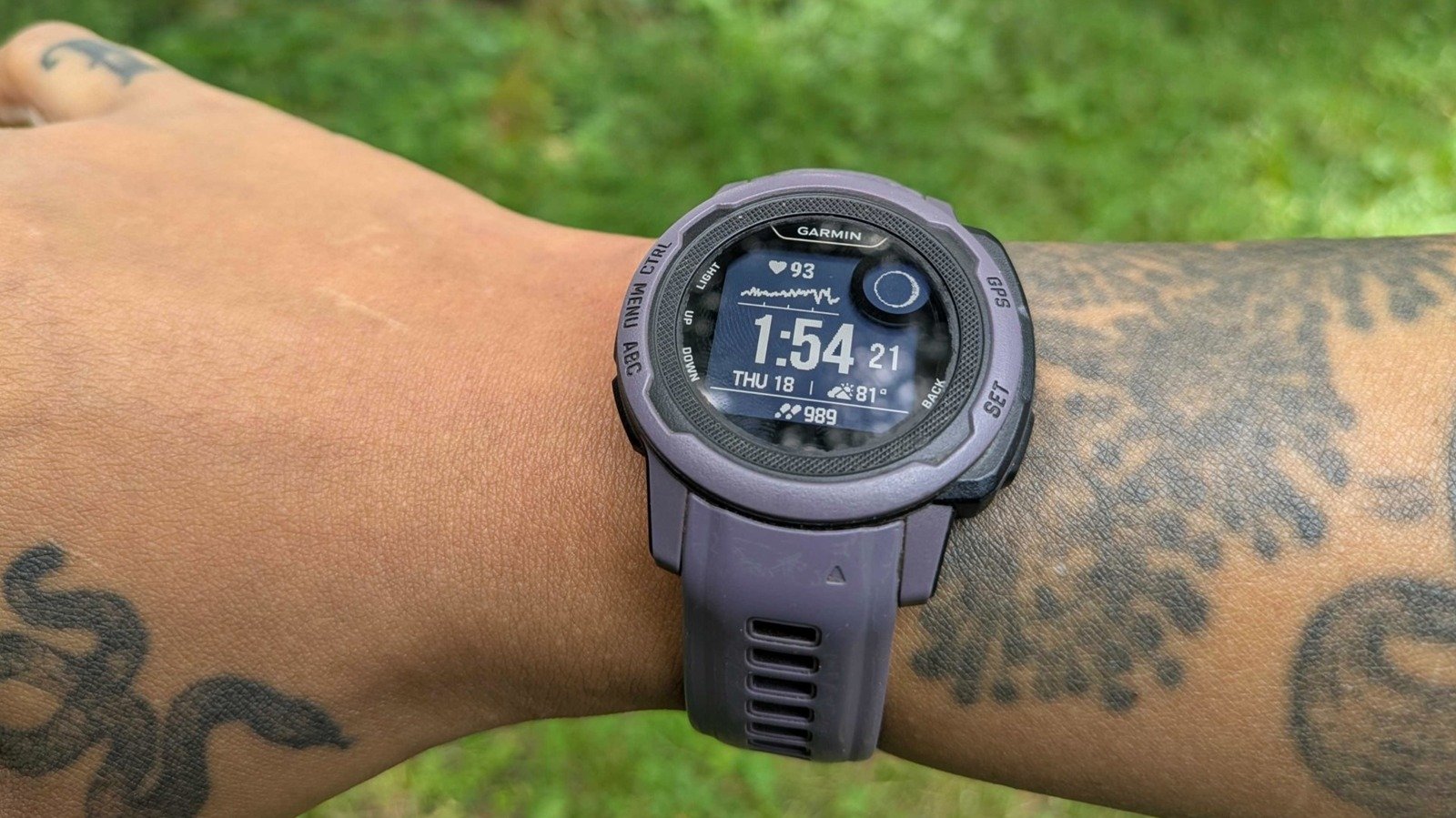
Many people invest in fitness trackers and smartwatches, expecting seamless functionality. However, for those with tattoos, these devices often fall short. The issue primarily lies in heart rate sensors, which rely on light-based technology known as photoplethysmography (PPG). Tattoos absorb or block this light, leading to unreliable readings. Users frequently report that their devices fail to measure heart rates accurately or even to recognize that they are being worn. Major brands like Garmin and Apple acknowledge this problem, advising users to avoid wearing trackers over tattoos for optimal performance.
Wrist detection also suffers due to the same reasons. When a device cannot confirm that it is in contact with skin, it requires constant unlocking, frustrating users. This disconnect surprises many, especially given the advanced technology some wearable devices boast. The race for accurate readings often overlooks the diversity in skin types, including the impact of tattoos on user experience.
### Potential Workarounds and Future Solutions
People with tattoos have developed various workarounds. Some wear their devices on the tattoo-free side of their wrists, while others try different placement on their arms. Taping over the sensors with clear tape or epoxy stickers has gained popularity as a quick fix. These methods, however, do not address the underlying issue.
Consider using a chest strap for heart rate monitoring as an alternative. This method requires no direct skin contact and generally offers more accurate results, but it lacks the convenience of wrist-based devices for everyday use.
Room for improvement remains. Current sensor technology must evolve to accommodate variations in skin, including tattoos. Initial studies suggest that while tattoos do affect heart rate accuracy, the impact varies significantly based on individual circumstances, including exercise intensity and tattoo characteristics. Brands need to prioritize this research to enhance the functionality of wearables for all users.
As technology progresses, companies like Google and Samsung explore improvements in device responsiveness to tattooed skin. Better sensors could lead to a more inclusive technology landscape. Until then, individuals with tattoos face unique challenges in harnessing the full potential of their fitness trackers.
Discover More Technology Insights
Explore the future of technology with our detailed insights on Artificial Intelligence.
Explore past and present digital transformations on the Internet Archive.
TechV1
