

Summary Points
- Nick Cecchi suffered a concussion, leading him to concussion research.
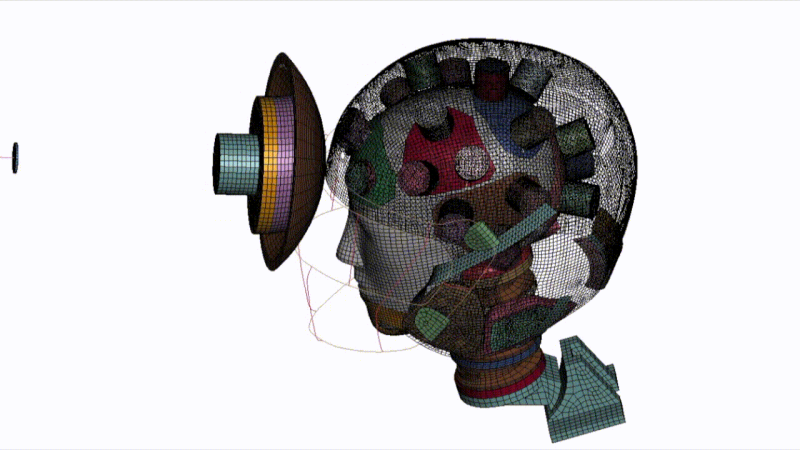
- He developed a helmet with liquid shock absorbers, reducing impacts by 33%.
- The helmet’s design adapts to various impact speeds for better protection.
- Future improvements include aesthetics, comfort, and safer gameplay regulations.
Revolutionizing Helmet Safety
Technology has significantly evolved in the world of sports, especially in addressing head injuries. Nicholas Cecchi’s journey illustrates this shift. After suffering a severe concussion while playing water polo, he joined researchers at UC Irvine studying head impacts. Now a graduate student at Stanford, Cecchi is developing innovative helmets aimed at reducing concussions. His work focuses on incorporating liquid shock absorbers, which adapt to various impact speeds. This technology holds potential to lessen the severity of both concussive and sub-concussive impacts, which can lead to long-term brain issues like chronic traumatic encephalopathy (CTE).
Traditional helmet designs rely on foam materials that fail under different impact scenarios. These foams often tailor their resistance to specific impact speeds, leaving gaps in protection. In contrast, liquid shock absorbers allow helmets to respond dynamically during collisions. When an impact occurs, the fluid redistributes within the helmet, providing a cushioning effect. This advancement reduces peak forces experienced by athletes, thus lowering the risk of injury. Tests show a 33% improvement in impact absorption over existing helmet models.
Challenges Beyond Technology
Despite these technological strides, challenges remain. Helmet safety advances cannot solve the concussion crisis alone. Sports organizations need to adopt comprehensive strategies that combine improved helmet designs with changes in gameplay. Educating athletes, coaches, and medical staff on concussion symptoms is essential. Awareness fosters a culture where players prioritize their health, allowing for timely interventions.
Commercializing this new helmet technology poses additional hurdles. While promising prototypes exist, manufacturers must address comfort and aesthetics to ensure athletes embrace the change. The market requires more than innovative design; it demands practical, appealing products that players want to wear. Without this, even the best technology may remain on the sidelines.
The road to drastically reducing concussions exists. With a multi-faceted approach blending technological innovation, rule modifications, and enhanced education, the sports community can aim to mitigate these risks. Concussions present a serious threat in athletics, but advancements like Cecchi’s liquid shock absorbers provide an essential piece to this complex puzzle.
Stay Ahead with the Latest Tech Trends
Explore the future of technology with our detailed insights on Artificial Intelligence.
Discover archived knowledge and digital history on the Internet Archive.
TechV1
