

Summary Points
- Oceans face threats from human activities, particularly single-use plastic waste.
- Researchers are innovating methods to recycle and upcycle various plastics.
- NSF supports interdisciplinary efforts to create a circular plastics economy.
- Advanced recycling techniques aim to protect health and environmental well-being.
Innovative Solutions to Plastic Pollution
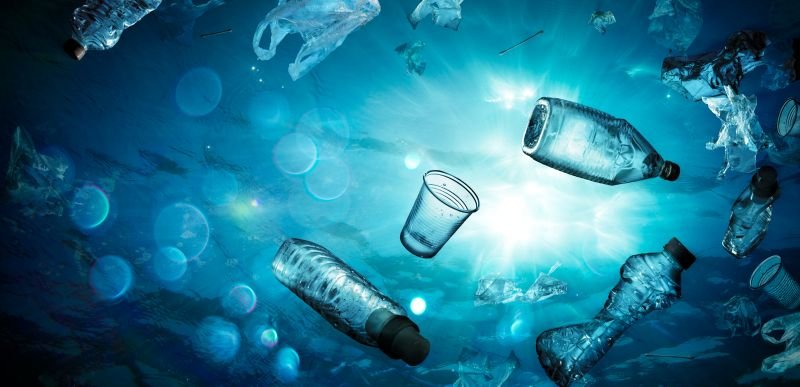
The world faces a pressing crisis from single-use plastics. These materials contribute significantly to ocean contamination, affecting marine life and ecosystem health. Researchers, backed by the U.S. National Science Foundation (NSF), are working tirelessly to find solutions. Their efforts span multiple approaches, each aiming to transform plastic waste into valuable resources.
One notable project involves researchers at Northwestern University. They developed a method to break down polyester-based plastics. By using a metal-organic framework, discarded water bottles can transform into terephthalic acid, a critical compound for manufacturing. This approach could revolutionize how society reuses plastic waste, making recycling more effective and sustainable.
Cornell University’s team embraces sunlight in their solution. They utilize light and an iron-based catalyst to upcycle polystyrene, commonly found in packaging. This method not only converts waste into benzoic acid but also demonstrates potential scalability for commercial use. By improving efficiency, this process could significantly reduce landfill contributions from polystyrene.
A different approach from Applied Ocean Sciences develops real-time sensors to detect microplastics in water bodies. These innovative sensors measure ultrasonic frequencies, giving scientists immediate data on microplastic pollution. This technology enhances awareness and could drive timely interventions to safeguard aquatic environments.
Transforming Waste into Resources
Other NSF-supported projects explore the recycling of plastics for broader applications. Re:3D manufactures 3D printers capable of utilizing reclaimed plastics. These printers enable low-cost fabrication and rapid prototyping. By allowing manufacturers to use recycled materials directly, this technology can reduce dependence on virgin plastics and drive sustainability in manufacturing.
Biko Biolabs takes it a step further. They focus on transforming non-recyclable plastics into compost-like materials. This initiative caters to marginalized communities, offering a means for improved solid waste management while enhancing soil health. By recycling plastic waste, they provide a dual solution: waste reduction and agricultural enhancement.
Meanwhile, engineers at Rensselaer Polytechnic Institute collaborate with biotechnology firms to develop microorganisms that convert plastic waste into artificial silk. This innovative approach not only addresses plastic pollution but also creates a biodegradable alternative to conventional plastics. By integrating engineering and biology, the project showcases the potential for novel materials that align with environmental goals.
Overall, NSF’s investment in diverse research initiatives illustrates a crucial strategy for combating plastic pollution. These interdisciplinary projects lay the groundwork for a circular economy in plastics. As researchers continue to innovate, the dream of a world free from plastic contamination moves closer to reality. Society can transition toward sustainable practices, paving the way for a healthier planet.
Continue Your Tech Journey
Explore the future of technology with our detailed insights on Artificial Intelligence.
Access comprehensive resources on technology by visiting Wikipedia.
TechV1
