
Close Menu
    Facebook X (Twitter) Instagram
    Monday, June 29
    Top Stories:
    • Supreme Court Limits Geofence Warrants: A New Legal Precedent
    • China’s Cooling Sparks European E-commerce Boom Amid Heatwave Crisis
    • 12 Everyday Foods Rich in Magnesium, Dietitians Recommend
    Facebook X (Twitter) Instagram Pinterest Vimeo
    IO Tribune
    • Home
    • AI
    • Tech
      • Gadgets
      • Fashion Tech
    • Crypto
    • Smart Cities
      • IOT
    • Science
      • Space
      • Quantum
    • OPED
    IO Tribune
    Home » Supreme Court Limits Geofence Warrant Use: A New Era of Privacy
    Tech

    Supreme Court Limits Geofence Warrant Use: A New Era of Privacy

    Lina Johnson MercilliBy Lina Johnson MercilliJune 29, 2026No Comments3 Mins Read
    Share Facebook Twitter Pinterest LinkedIn Tumblr Reddit Telegram Email
    Share
    Facebook Twitter LinkedIn Pinterest Email

    Quick Takeaways

    1. The US Supreme Court limits geofence searches, enhancing privacy rights.
    2. Police must now obtain actual search warrants for geofence data.
    3. The ruling reinforces Fourth Amendment protections against unreasonable searches.
    4. Prior cases using geofence warrants may be affected, but not Chatrie’s.

    A Landmark Decision for Privacy Rights

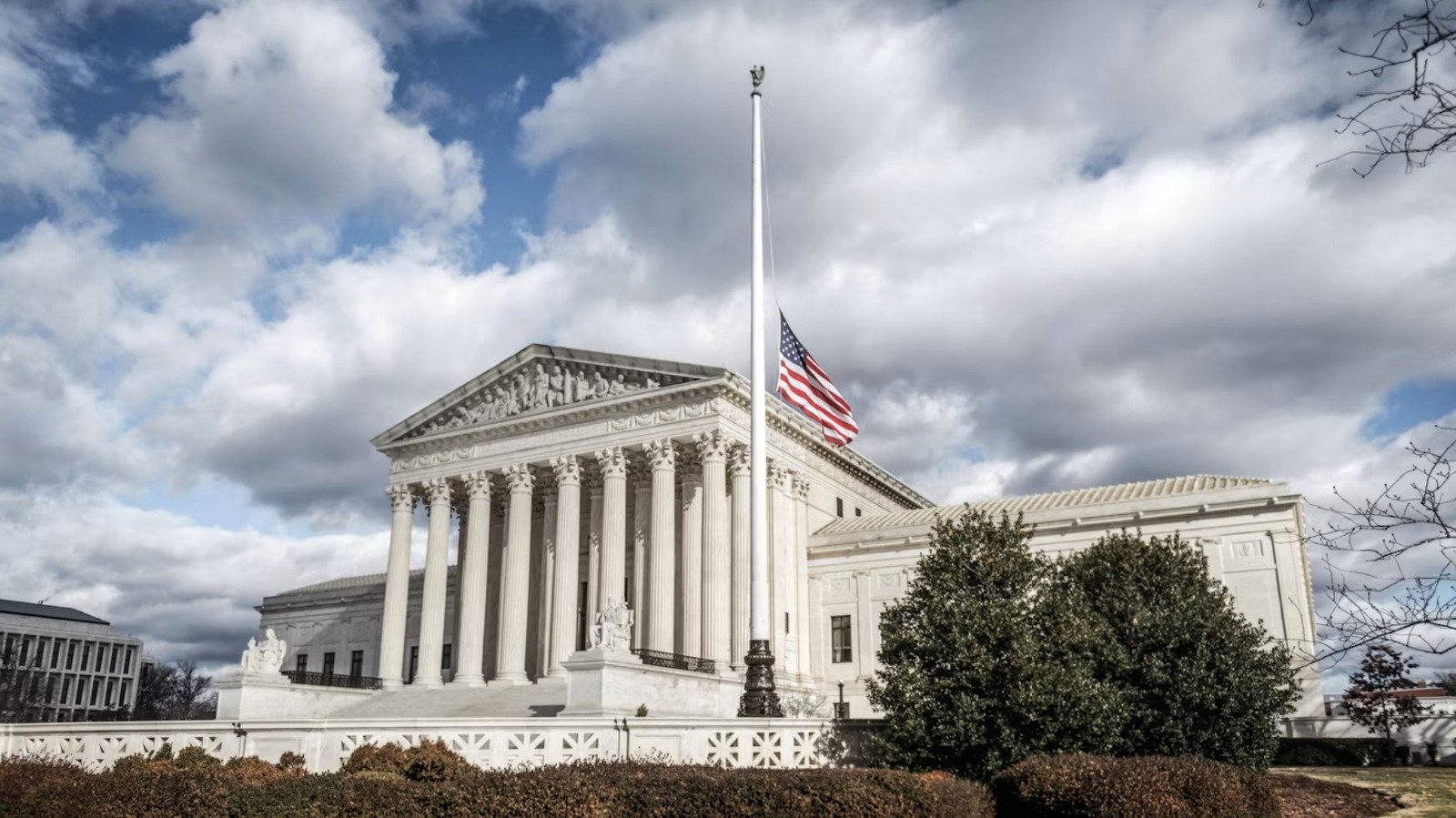
    The U.S. Supreme Court recently issued a significant ruling that curtails the use of geofence warrants by law enforcement. This decision marks a crucial victory for privacy rights across the nation. Geofence warrants allow police to access location data from tech companies, revealing the identities of individuals present near a crime scene. In a 6-3 ruling, the Court reinforced that individuals hold a “reasonable expectation of privacy” regarding their cell phone location information.

    Justice Elena Kagan stated that these warrants violate the Fourth Amendment’s ban on unreasonable searches. Moving forward, law enforcement agencies must obtain a traditional search warrant, requiring probable cause, before they can access any location data. This increases judicial oversight over police investigations and upholds citizens’ privacy rights in an age where digital footprints are pervasive.

    The case at the center of this ruling involved a robbery in Virginia, where detectives sought to identify suspects by obtaining location data from Google. Law enforcement wanted information on anyone near the bank within a specific time frame. While Google pushed back, providing only a subset of data, the practice raised significant concerns. The defense argued that geofence searches allowed police to act on vague suspicions, effectively “searching first and developing suspicions later.” This stark reality means many innocent people were subjected to scrutiny without any wrongdoing.

    The Implications for Law Enforcement and Technology

    This ruling sends a clear message about the limits of technology in policing. While law enforcement emphasizes the importance of such tools in solving cases, the ruling demands a balance between public safety and individual rights. The government argued that location data lacks constitutional protection because individuals willingly share this information. This argument ignores the reality that many people do not fully understand the implications of their digital activities.

    Law enforcement will now need clear, specific justifications when seeking access to location data. This increases accountability and transparency in policing, aligning law enforcement practices with constitutional rights. However, the ruling does not negate the practical applications of technology in investigations. It merely requires law enforcement to follow the law, ensuring that the rights of innocent citizens are not compromised in the pursuit of justice.

    As this landmark decision unfolds, it will reshape how law enforcement interacts with technology companies. The practical implications will likely redefine the landscape of digital privacy and law enforcement practices for years to come. The balance between utilizing technological advancements and upholding constitutional protections remains a delicate dance, but this ruling strengthens the case for privacy rights in the digital age.

    Stay Ahead with the Latest Tech Trends

    Explore the future of technology with our detailed insights on Artificial Intelligence.

    Discover archived knowledge and digital history on the Internet Archive.

    TechV1

    Innovation Management Tech technology VT1
    Share. Facebook Twitter Pinterest LinkedIn Tumblr Email
    Previous ArticleAI Agents: Not Your Ordinary Coworkers
    Next Article XRP Whales Shift Away from Binance
    Avatar photo
    Lina Johnson Mercilli
    • Website

    Lina Johnson Marcelli is the editor for IO Tribune, bringing over two decades of experience in journalism to her role. With a BA in Journalism, she is passionate about delivering impactful stories that resonate with readers. Known for her keen editorial vision and leadership, Lina is dedicated to fostering innovative storytelling across the publication. Outside of work, she enjoys exploring new media trends and mentoring aspiring journalists.

    Related Posts

    Tech

    Supreme Court Limits Geofence Warrants: A New Legal Precedent

    June 29, 2026
    Tech

    China’s Cooling Sparks European E-commerce Boom Amid Heatwave Crisis

    June 29, 2026
    Science

    12 Everyday Foods Rich in Magnesium, Dietitians Recommend

    June 29, 2026
    Add A Comment

    Comments are closed.

    Must Read

    Supreme Court Limits Geofence Warrants: A New Legal Precedent

    June 29, 2026

    China’s Cooling Sparks European E-commerce Boom Amid Heatwave Crisis

    June 29, 2026

    12 Everyday Foods Rich in Magnesium, Dietitians Recommend

    June 29, 2026

    XRP Whales Shift Away from Binance

    June 29, 2026

    Supreme Court Limits Geofence Warrant Use: A New Era of Privacy

    June 29, 2026
    Categories
    • AI
    • Crypto
    • Fashion Tech
    • Gadgets
    • IOT
    • OPED
    • Quantum
    • Science
    • Smart Cities
    • Space
    • Tech
    Most Popular

    Reviving Gaming Realism: RTX 50-Series Driver Brings Back PhysX Support!

    December 4, 2025

    T-Mobile’s Mike Sievert Transitions to Un-CEO as Srini Gopalan Takes the Helm Nov. 1

    September 22, 2025

    Unlocking Hidden Atomic Patterns in Metals

    November 2, 2025
    Our Picks

    Ferrari Unveils the Heart of Its 1000hp EV

    October 9, 2025

    Grab the HORI Piranha Plant Camera for Switch 2 – Now Just $40!

    August 9, 2025

    Journey to the Moon: Celebrating the Artemis 2 Heroes

    February 2, 2026
    Categories
    • AI
    • Crypto
    • Fashion Tech
    • Gadgets
    • IOT
    • OPED
    • Quantum
    • Science
    • Smart Cities
    • Space
    • Tech
    • Privacy Policy
    • Disclaimer
    • Terms and Conditions
    • About Us
    • Contact us
    Copyright © 2025 Iotribune.comAll Rights Reserved.

    Type above and press Enter to search. Press Esc to cancel.