

Fast Facts
- BMW will produce electric vehicles in the U.S. by year-end, defying trends.
- The iX5 SUV is the first electric model from Spartanburg, South Carolina.
- Other automakers have delayed EV projects due to weak U.S. sales.
- BMW invests $1.7 billion to expand plant and boost electric vehicle production.
A Bold Step Amid Uncertainty
BMW’s decision to build a new electric SUV, the iX5, in South Carolina marks a significant pivot in the automotive landscape. With this move, BMW aims to produce electric vehicles (EVs) in the U.S. by the end of this year. This decision stands out amid a climate where many automakers hesitate to invest heavily in electric technology. Companies like Honda and Ford have halted or scaled back their electric plans after facing financial setbacks. Delayed projects and multibillion-dollar losses have left them rethinking their strategies.
The American market has become increasingly challenging for electric vehicle sales, especially after the removal of federal subsidies. Yet, BMW shows confidence in its electric offerings. The Spartanburg factory, a critical hub for BMW’s SUV production, will feature electric versions alongside gasoline, diesel, and hybrid options. This flexibility allows BMW to adapt to market demands without committing entirely to one powertrain.
Strategic Investments and Global Focus
BMW’s strategic investment of $1.7 billion aims to expand its South Carolina plant and build a nearby battery factory. This move reinforces the state’s position within BMW’s global operations. It’s not just about building cars; it’s about serving a global market. BMW exports about half of its vehicles from Spartanburg, allowing it to tap into the robust demand for electric vehicles in Europe, where EVs represent around 20% of vehicle sales. The contrast with the U.S. market, which sits at only 6%, highlights the complexities of this transition.
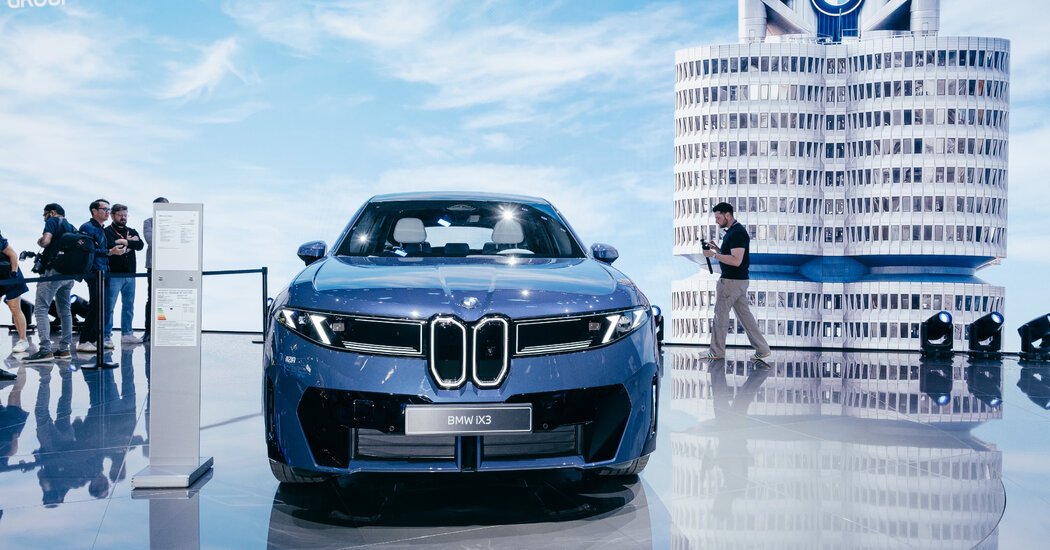
While BMW prepares to roll out various electric models, it also hedges its bets. The inclusion of multiple powertrain options for the iX5 allows BMW to cater to differing consumer preferences. This adaptability is crucial, especially in a market where demand for EVs can fluctuate wildly. The iX3 will follow suit, hitting the U.S. market later this year as part of BMW’s broader electric strategy.
The decision exemplifies a contrasting outlook in an industry grappling with the future of mobility. While competitors face significant challenges, BMW positions itself to lead the charge in electric vehicle production. By focusing on flexibility, global markets, and strategic investments, BMW demonstrates a clear vision for a sustainable automotive future.
Stay Ahead with the Latest Tech Trends
Explore the future of technology with our detailed insights on Artificial Intelligence.
Discover archived knowledge and digital history on the Internet Archive.
TechV1
