

Fast Facts
- WhatsApp introduces username reservations, aiming to enhance user privacy and interactions.
- Concerns arise over potential impersonation and online fraud from usernames.
- Indian regulators warn the feature might increase fraud and impersonation risks.
- Experts suggest users create unique usernames to mitigate impersonation threats.
Risks of Impersonation in WhatsApp’s New Username Feature
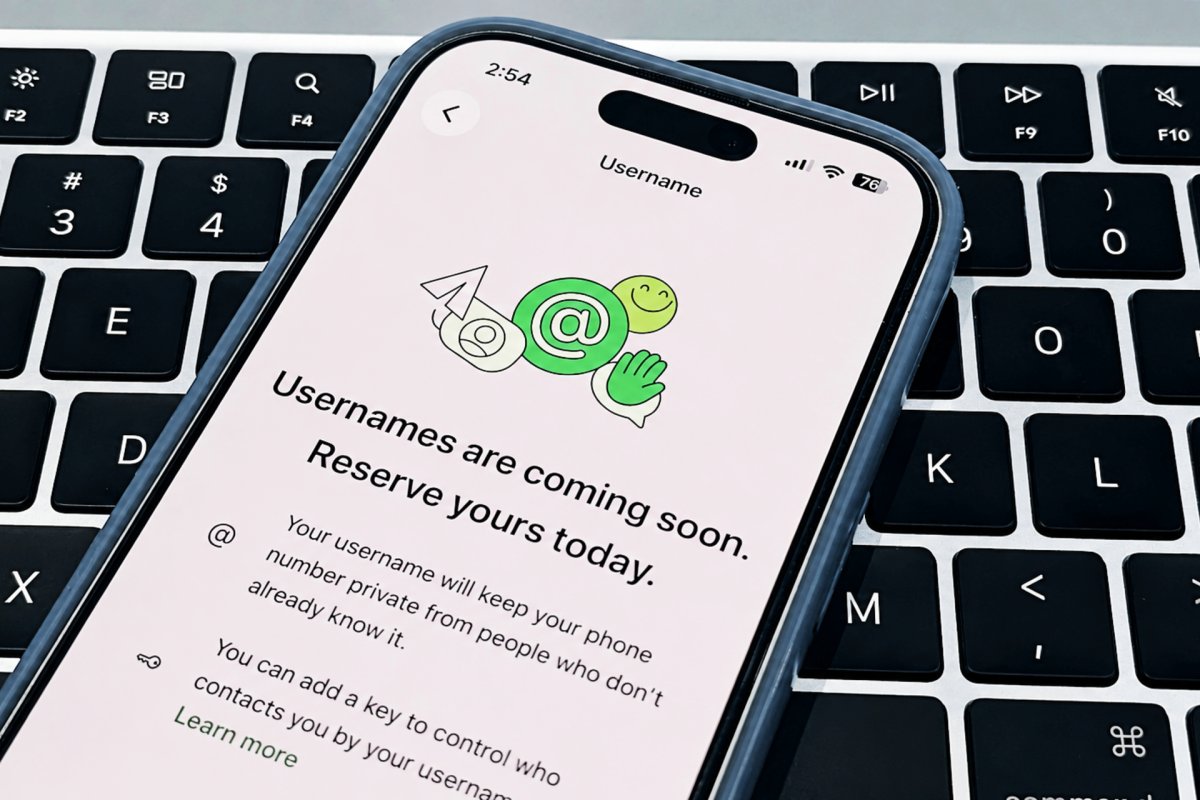
WhatsApp’s recent rollout of username reservations ignites significant concerns about impersonation. As the app introduces handles for communication, it also alters how users connect. Instead of phone numbers, people will use usernames to identify each other. Meta, WhatsApp’s parent company, claims this change enhances privacy. However, critics raise alarm about the risks of impersonation.
Testing reveals that many usernames linked to public figures and organizations remain available. Users can reserve handles resembling Indian Prime Minister Narendra Modi, Bollywood stars like Shah Rukh Khan, and key institutions like the Reserve Bank of India. This availability raises red flags among security experts and regulators. India’s Ministry of Electronics and Information Technology warns that this feature could increase online fraud and phishing attacks, allowing malicious actors to exploit impersonation opportunities.
Meta attempts to mitigate these risks by reserving usernames for public figures. Yet, the company’s criteria for reserving certain usernames lack transparency. As a result, bad actors could masquerade as public personalities or institutions. Such impersonation poses a serious threat in a market where cyber fraud is rampant.
Balancing Privacy and User Safety
While some laud the introduction of usernames for enhancing privacy—reducing the need to share phone numbers—security experts caution against potential abuses. They stress that usernames can still enable impersonation, undermining user safety. Rachel Tobac, a security expert, emphasizes that unique usernames can provide some protection. However, she warns that users should select handles that are hard to guess.
WhatsApp aims to address these concerns by advising users to create distinctive usernames. The company allows users to claim existing identities from Facebook or Instagram, thereby streamlining their online presence across Meta’s platforms. Yet this move also highlights a broader issue: the challenge of interoperability among competing platforms. Users may find it difficult to take their identities beyond WhatsApp and Meta.
The unfolding debate around WhatsApp’s username feature underscores a common tension in technology: balancing innovation with user safety. Users embrace new features for convenience and privacy. Still, the potential for abuse and fraud can overshadow these benefits. As WhatsApp proceeds with its rollout, questions of trust, privacy, and platform power remain at the forefront of discussions about digital communication.
Continue Your Tech Journey
Stay informed on the revolutionary breakthroughs in Quantum Computing research.
Explore past and present digital transformations on the Internet Archive.
TechV1
