

Quick Takeaways
- A hybrid-electric engine developed by NASA and GE Aerospace successfully flew.
- This aircraft is the first hybrid electric model to surpass 30,000 feet.
- The technology aims to reduce fuel costs for regional-class jet aircraft.
- Over 15 years of collaboration led to this significant aviation breakthrough.
The Hybrid-Electric Flight Revolution
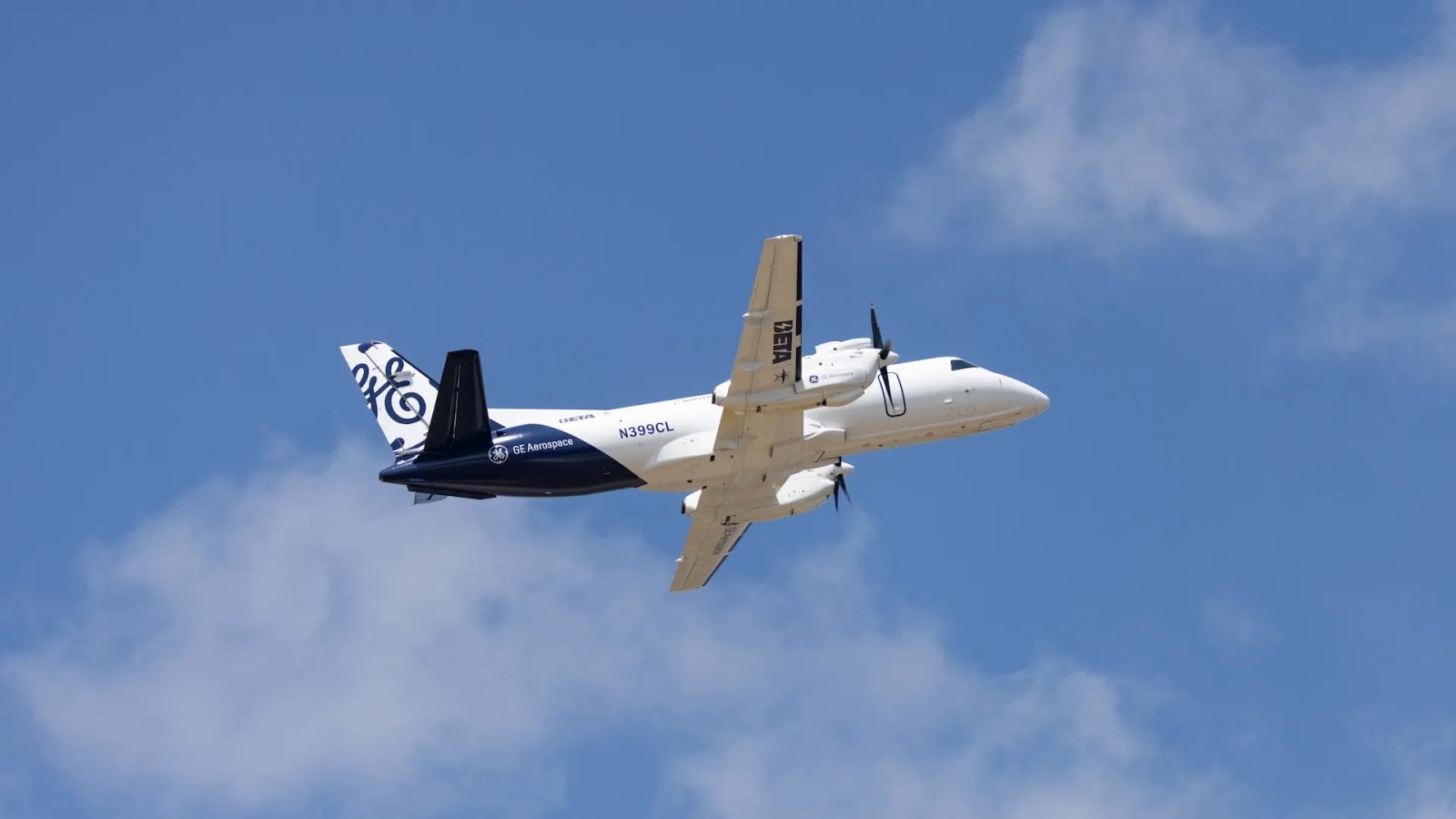
NASA and GE Aerospace have achieved a significant milestone in aviation technology. They successfully demonstrated a megawatt-class hybrid-electric engine mounted on a Saab 340B aircraft. This event took place at the Farnborough International Air Show in the UK. It marked the public debut of an engine that has already made substantial test flights, confirming its capability to ascend beyond 30,000 feet.
“This achievement reflects what NASA does best in aeronautics: we explore bold possibilities, validate them through rigorous research and testing, and work with industry to turn breakthrough ideas into technologies that bring real value for the American people,” remarked Laurie Grindle, director of the Aeronautics Division at NASA.
The engine combines electric motors, a gas turbine, and energy storage systems, designed particularly for aircraft near the size of regional jets. This innovative setup aims to lower fuel consumption and operational costs while maintaining performance standards. The insights gained from this technology are expected to inform the development of future hybrid systems, which could further alleviate the financial burdens on airlines.
The project benefited from years of collaborative research through NASA’s Electrified Powertrain Flight Demonstration and Subsonic Vehicle Technologies and Tools projects. Hundreds of professionals contributed to this initiative across various NASA centers and in partnership with GE Aerospace. The development journey spanned over 15 years, showcasing a long-term commitment to hybrid aviation—a concept that initially seemed far-fetched.
Overcoming Engineering Challenges
Large passenger and cargo planes demand powerful engines, making hybrid-electric propulsion particularly challenging. About a decade ago, NASA began exploring the potential of these systems. Their early efforts focused on understanding technological hurdles and assessing the commercial viability of hybrid engines. They dedicated seven years to preliminary research, addressing barriers such as thermal management, power output, and battery efficiency.
NASA and GE Aerospace collaborated to develop lighter, more efficient power systems while also reducing the size of key components. In 2022, GE tested the integrated propulsion system at NASA’s Electric Aircraft Testbed in Sandusky, Ohio. This facility allowed researchers to simulate conditions at altitudes typical for commercial flights.
The combined expertise led to groundbreaking advancements. Adding components like electric motors and power converters culminated in extensive ground testing and, ultimately, successful flight tests. Witnessing the engine power an aircraft in flight brought a sense of achievement to the teams involved.
This innovative hybrid-electric system signals a promising future for sustainable aviation. As the industry moves toward greener technologies, the findings from this demonstration flight will lay the groundwork for future developments in aircraft propulsion that could transform air travel while reducing environmental impact.
Continue Your Tech Journey
Explore the future of technology with our detailed insights on Artificial Intelligence.
Stay inspired by the vast knowledge available on Wikipedia.
Space
