

Top Highlights
- Apple announced developer tools for integrating Maps into vehicle infotainment systems.
- Ford’s new electric vehicles will debut with Apple Maps integration in 2027.
- Integration includes real-time traffic, efficient EV routing, and smart home features.
- Ford is Apple’s first partner; technology aims to enhance commercial fleet operations.
Ford’s Strategic Shift
Ford is redefining its approach to electric vehicles (EVs). The automaker has chosen to collaborate with Apple for its next generation of EVs, starting with a midsize truck set for release in 2027. This partnership centers around Apple’s new developer tools that embed Apple Maps directly into vehicle infotainment systems. This integration, while it might seem secondary to Ford’s major manufacturing innovations, plays a pivotal role in enhancing the driving experience.
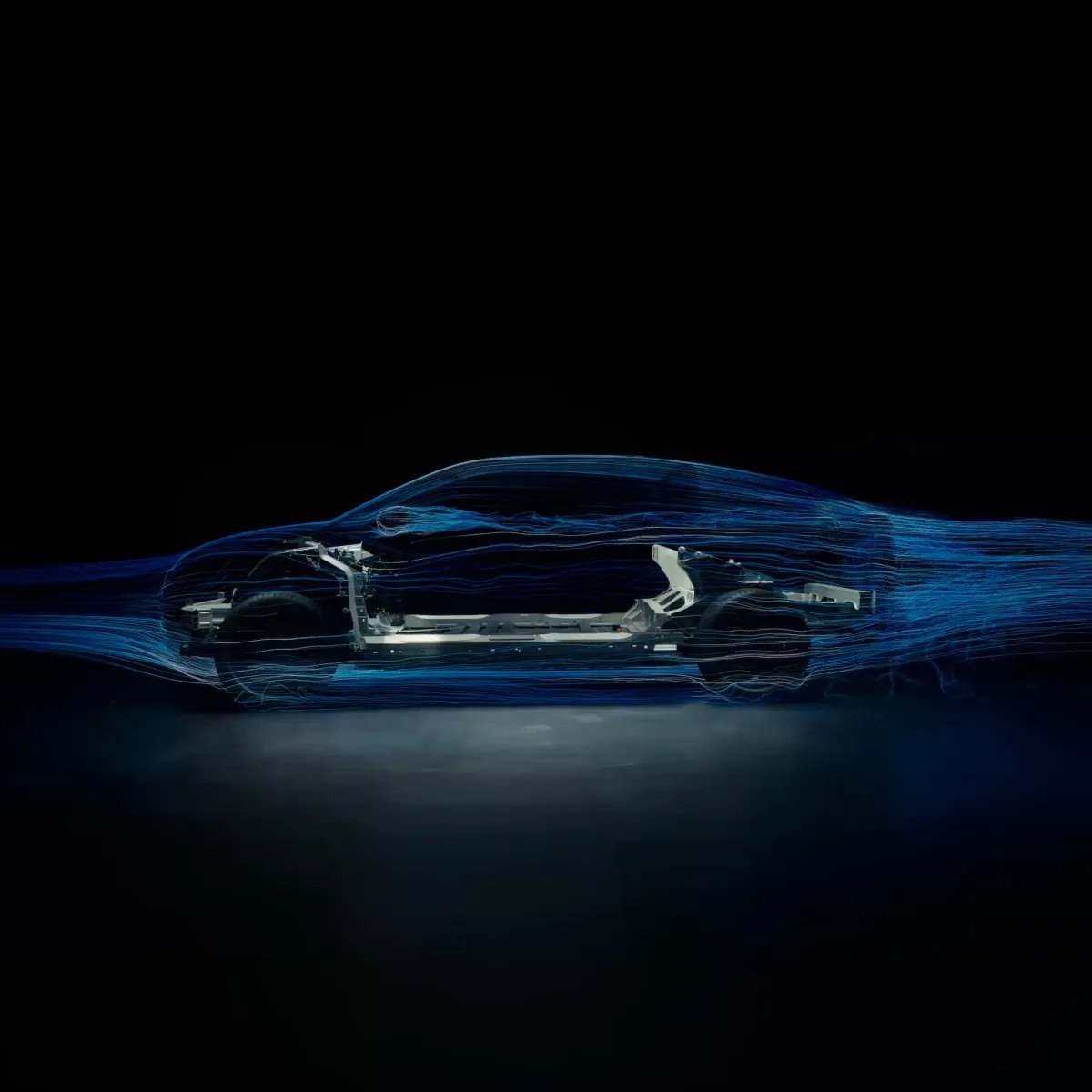
Ford’s use of a universal EV platform (UEV) marks a significant departure from its traditional design processes. This innovative framework will support various vehicle models, including trucks, sedans, and commercial vans. Features like single-piece aluminum unicastings improve assembly efficiency, but Apple Maps integration stands out for its potential impact on user experience.
The ability to provide real-time traffic updates and efficient EV routing directly in the vehicle can transform how drivers navigate. The integration allows for smarter route management and battery preconditioning, which can reduce charging times significantly.
Implications for the Future
Ford’s partnership with Apple could extend beyond personal vehicles, enhancing business advantages for Ford Pro, which serves commercial fleets. Businesses could leverage this technology to optimize routing and efficiency, improving overall productivity.
While other automakers can access Apple’s mapping platform, Ford holds the unique position of being Apple’s first collaborator. This relationship signals a shift in how vehicles might integrate advanced technologies. It presents the opportunity for future innovations like smart home integrations, adding layers of convenience for drivers.
However, this partnership also highlights challenges. Dependence on third-party technology can introduce risks. Automakers must ensure that data privacy and vehicle security remain a priority. The balance between leveraging cutting-edge technology and maintaining control over core vehicle functions is crucial.
Ford’s commitment to an innovative EV future, combined with Apple’s technological prowess, sets the stage for a new era of connected driving. This collaboration may define the next chapter in the automotive industry, where convenience and efficiency take center stage.
Discover More Technology Insights
Learn how the Internet of Things (IoT) is transforming everyday life.
Stay inspired by the vast knowledge available on Wikipedia.
TechV1
