

Top Highlights
- Orcas exhibit surprising behavior by ramming sunfish until they explode.
- This “stabilize-and-ram” technique may help younger orcas eat more efficiently.
- Scientists observe playful behaviors in orcas, akin to cat-like tormenting.
- More research is needed to determine if this behavior is for fun.
The Evolving Understanding of Orca Behavior
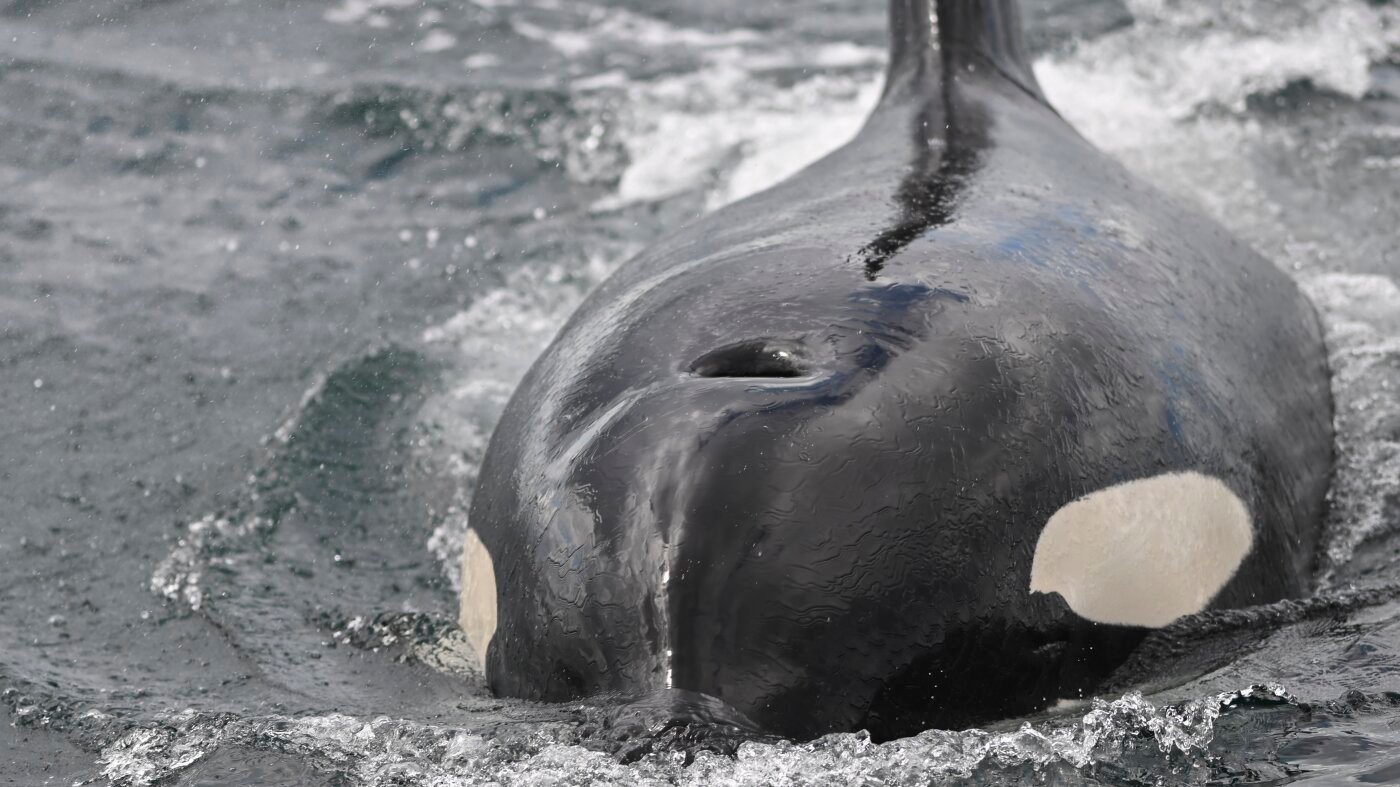
Orcas constantly amaze researchers with their unexpected behaviors. Recent observations reveal a startling practice: these intelligent marine mammals ram sunfish with such force that the fish explode. This specific behavior, known as “stabilize-and-ram,” raises intriguing questions about its purpose. A study documented two notable instances of this phenomenon off the coast of Cabo San Lucas. The explosion of a sunfish, leaving scattered bits behind, captures attention. While shocking, experts argue that this behavior serves specific biological functions, not cruelty or mindless play.
Researchers speculate this ramming technique helps young orcas feed more effectively. Adult orcas might also engage in this activity as a form of play or social interaction. Unlike some predators, orcas lack tools and hands. Therefore, breaking down a dense sunfish into smaller pieces offers a practical feeding strategy. This ability to adapt is a testament to their intelligence. Observations noted that orcas display various playful behaviors, such as wearing salmon as hats or even attempting to sink boats. Such actions highlight orcas’ complex social structures and behaviors.
The Intersection of Play and Survival
Understanding orca behavior also requires examining the intersection of play and survival. Experts liken orcas to cats for their tendency to torment prey. However, this ramming behavior may not be mere amusement. Some orcas face difficulties feeding as they age or if they lack teeth. Sunfish are formidable prey, with thick, rubbery skin that makes eating them challenging. Ramming might represent a clever adaptation to a complex feeding problem.
Researchers express interest in whether this behavior exists beyond Baja California. It’s possible that certain pods have developed this unique feeding strategy, a form of cultural knowledge. To fully understand the implications, experts need more observations. Determining whether the behavior is exclusively for entertainment or serves a vital feeding function requires further study. This evolving understanding underscores the importance of ongoing research in marine biology. It also offers insight into the intricate world of orca social dynamics, challenging preconceived notions about predator-prey interactions.
Continue Your Tech Journey
Dive deeper into the world of Cryptocurrency and its impact on global finance.
Explore past and present digital transformations on the Internet Archive.
TechV1
