

Summary Points
- Venus has extreme surface temperatures and may contain active volcanoes.
- Recent studies suggest Venus’s rift valleys might be geologically young.
- Advanced 3D simulations show rift flanks develop during active tectonic movements.
- Upcoming missions aim to explore Venus’s geology and dynamic interior further.
New Discoveries Challenge Longheld Beliefs
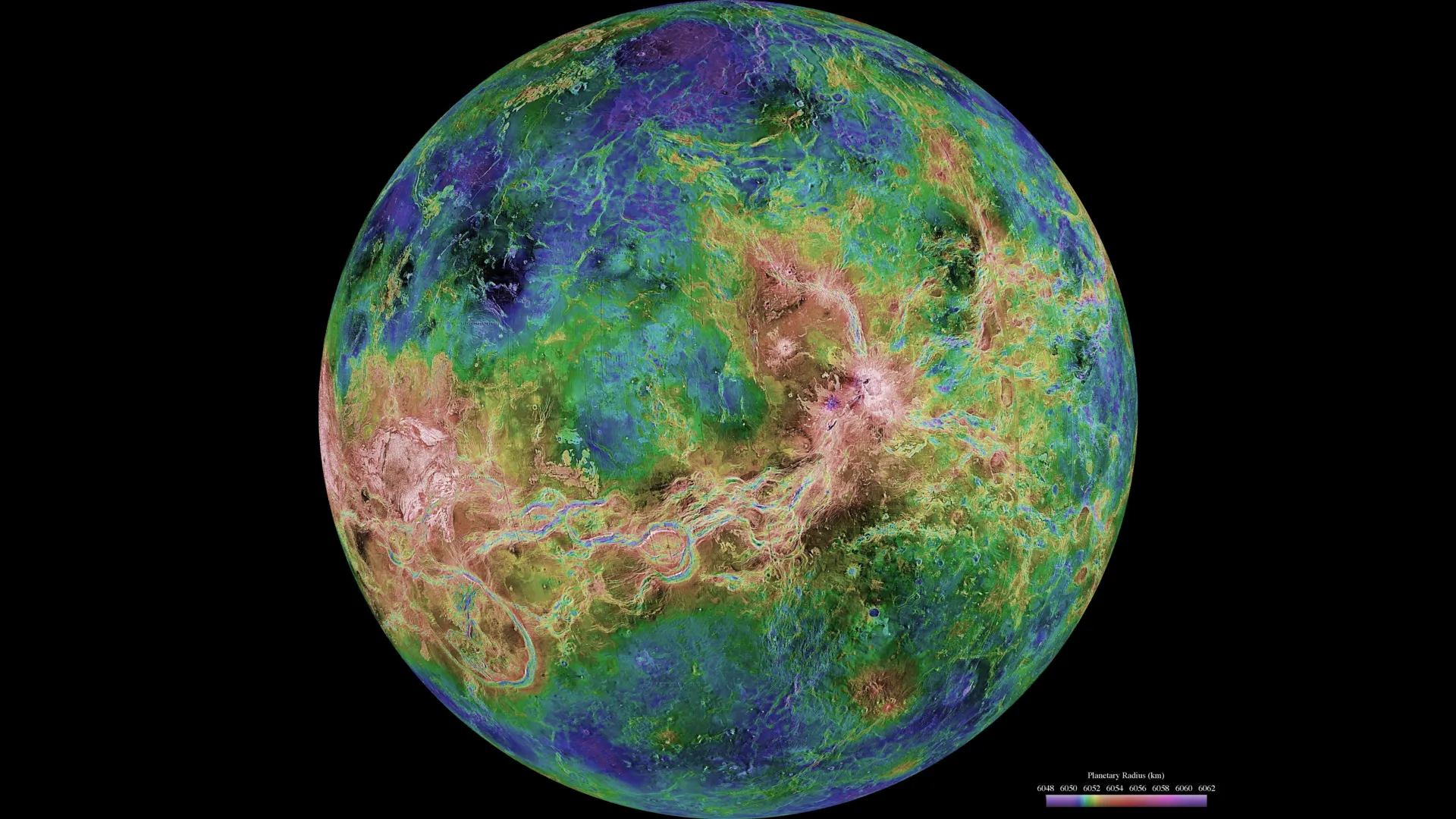
Venus has long held a reputation as one of the solar system’s most hostile environments. Extreme surface temperatures soar to several hundred degrees Celsius, and the lack of oceans gives the planet an air of desolation. For decades, scientists considered Venus geologically inactive. However, recent studies suggest otherwise, pointing to signs of tectonic activity that challenge previous assumptions.
A groundbreaking study from ETH Zurich led by Taras Gerya has redefined our understanding of Venus. Researchers employed advanced computer simulations to reveal that some of Venus’s massive rift valleys could be much younger than initially thought. These rift valleys, which stretch up to 10,000 kilometers, mirror similar features on Earth, like the African Rift Valley. Traditionally, scientists believed these rifts formed over 100 million years ago and remained unchanged. Gerya’s team, however, finds compelling evidence that Venus’s internal dynamics remain active.
The study published in Nature Geoscience used high-resolution, 3D models to simulate Venusian rifts in great detail. Previous models relied on simpler, two-dimensional assumptions about planetary behavior. The new simulations show that when rift valleys form, they create broad elevated ridges, or rift flanks. These features emerge while the rifts are still active or immediately after tectonic movements cease. This observation contrasts with Earth, where erosion gradually degrades landforms.
The Implications for Future Research and Missions
The models suggest that rift systems on Venus spread faster than previously estimated, widening by 3 to 10 centimeters each year. Once tectonic movement stops, these rift flanks start to flatten due to the crust’s slow relaxation. The combination of simulations and spacecraft data strengthens the argument for an active geologic landscape on Venus.
The implications of this research extend beyond Venus. Understanding how rocky planets evolve aids our exploration of exoplanets in distant solar systems. Newly identified regions of tectonic activity may become priorities for upcoming missions aimed at studying Venus.
NASA and ESA are gearing up for multiple missions to investigate Venus more closely. ESA’s EnVision mission, set to launch in the early 2030s, aims to analyze the planet’s surface and internal structure. Experts from ETH will contribute vital instrumentation to explore Venus’s core, lithosphere, and atmosphere.
As scientists unravel the complexities of Venus, they open new doors to understanding our solar system and beyond. The findings are more than just numbers; they shift the narrative of a planet long deemed static into one that may still be tearing itself apart from within. This revelation not only challenges existing paradigms but also ignites curiosity for future exploration.
Stay Ahead with the Latest Tech Trends
Explore the future of technology with our detailed insights on Artificial Intelligence.
Discover archived knowledge and digital history on the Internet Archive.
TechV1
