

Top Highlights
- AntiZuck is a new $2.99 iPhone app for detecting smart glasses’ Bluetooth signals.
- It alerts users about nearby devices, including Meta and Snap glasses.
- The app’s limitations include not confirming if the glasses are recording.
- Similar technology exists on Android with the Nearby Glasses app.
Privacy Meets Technology
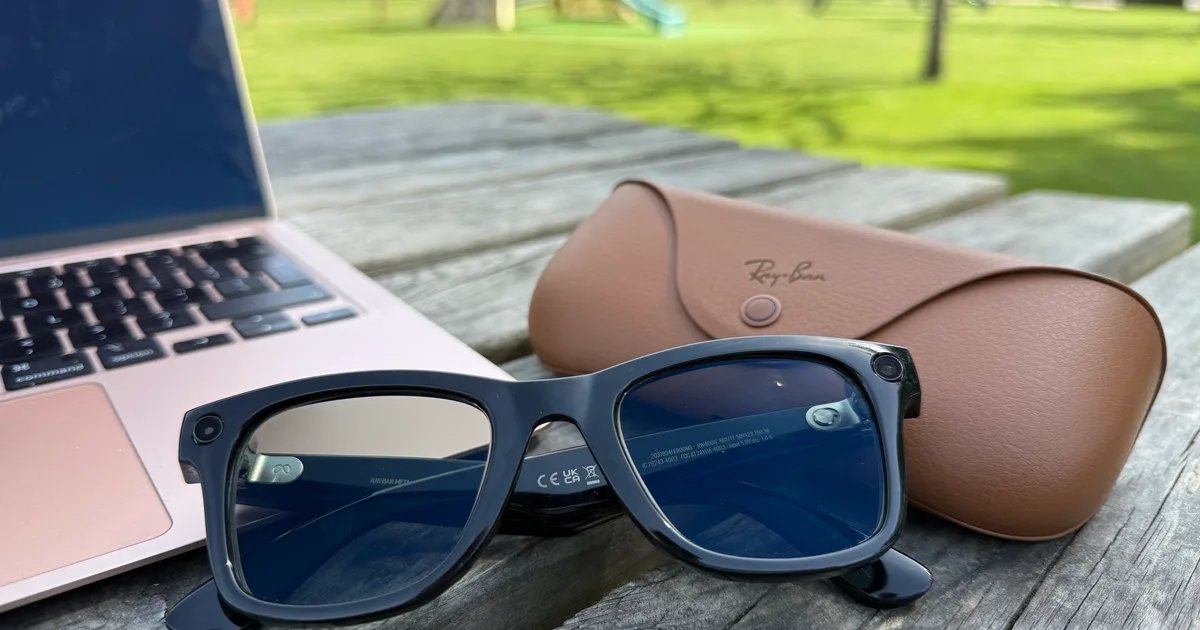
A new app called AntiZuck has arrived for iPhone users. This $2.99 tool promises to scan nearby Bluetooth signals associated with smart glasses. While Android users saw a similar application earlier this year, iOS users now have the chance to enhance their privacy in public spaces. AntiZuck not only detects Meta’s Ray-Ban smart glasses but also works with devices from Snap, Amazon, and others.
The app’s design feels straightforward. Users can visualize detected devices on a radar-like screen. It shows proximity and a confidence rating to gauge how close the glasses are. Users can also remember previous sightings and opt-out of familiar devices triggering alerts. The app operates completely on the iPhone, ensuring no personal data leaves the device.
Practical Limitations
Despite its innovative approach, AntiZuck has notable limitations. The app cannot confirm if a user is actively recording or snapping photos. It merely detects signals broadcast during specific actions like powering on or opening the charging case. Users should note that Meta glasses may not always appear on the scanner after they stop advertising over Bluetooth.
While the concept originated with Android developer Yves Jeanrenaud’s free Nearby Glasses app, AntiZuck adds a commercial layer. It could help people feel more secure in public, giving them another tool to manage their privacy. Yet, it won’t provide absolute certainty about nearby camera-equipped glasses. Technology continues to evolve, but it remains crucial to balance convenience with visibility in our increasingly surveilled world.
Discover More Technology Insights
Stay informed on the revolutionary breakthroughs in Quantum Computing research.
Explore past and present digital transformations on the Internet Archive.
TechV1
