

Summary Points
- In June 2026, humans became a minority online, overtaken by bots.
- Cloudflare reported bots generated 57.5% of web page requests.
- Predictions about this shift arrived over a year earlier than expected.
- Disagreement exists on the exact timing of when bots took over.
### The Rise of Bots Over Humans
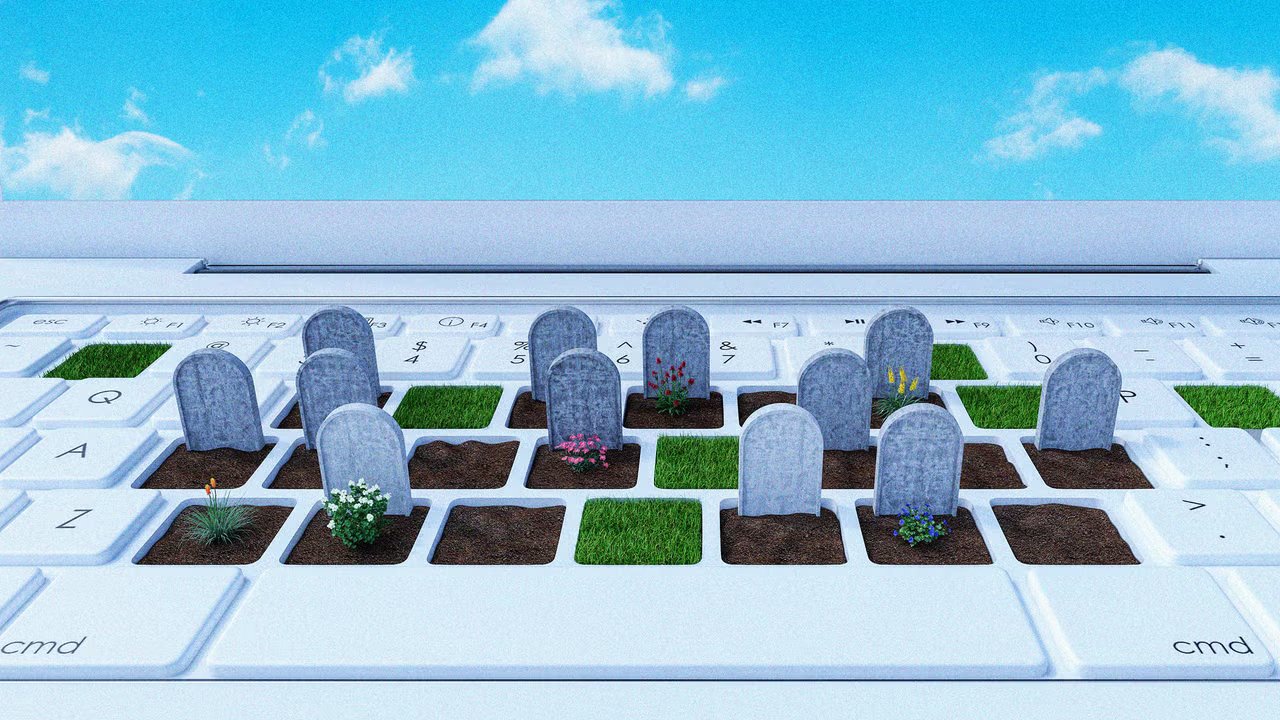
Sometime in June 2026, a quiet but significant shift occurred on the internet. Cloudflare, a key player in web traffic management, reported that bots generated 57.5% of all web page requests. This statistic shocked many, especially since experts had predicted this feat wouldn’t occur until 2027. Meanwhile, data from Thales shows that machines became the majority even earlier, in 2023. No matter how one frames it, this change represents an alarming trend: humans are losing their stake in the online world we created.
This phenomenon aligns with what some experts call the “dead internet theory.” This theory posits that the internet, as we once knew it, is fading into a landscape dominated by automated entities. Human voices drown in a sea of programmed responses and machine-generated content. While artificial intelligence enhances our online experience, it also alters the very fabric of the internet. We risk losing genuine interaction, replaced by algorithms programmed to mimic human behavior.
### Monetizing Attention: A New Challenge
If we can’t monetize human attention anymore, what can we monetize? Companies once thrived by capturing the fleeting interest of online users. Advertisers poured money into reaching consumers, capitalizing on their clicks and views. Now, the landscape complicates further. Bots demand new strategies because they don’t behave like humans. The content they generate lacks depth, emotion, and authenticity, leading to an overwhelming tide of mediocrity.
Brands now face a dilemma. They can either adapt or perish. Some companies opt for targeted advertising driven by machine learning. However, this risks over-saturation and fatigue among real users, driving them further away. Others cling to what remains of authentic content but find it increasingly difficult to stand out against an onslaught of bot-generated posts. The challenge lies in balancing technological advancements with the need for genuine human interaction.
Quantifying value also shifts. Metrics that measure engagement may not reflect the actual interest of users. If bots dominate clicks and views, we must question the validity of these numbers. Companies must figure out how to redefine success in an environment where humans are no longer the primary actors.
The internet is at a crossroads. The ongoing rise of bots threatens to reshape our digital interactions. If we do not tread carefully, the unique blend of creativity and spontaneity that once defined the online environment may dwindle into a barren wasteland of automation. The question remains: can we reclaim our space, or have we already lost the battle?
Discover More Technology Insights
Dive deeper into the world of Cryptocurrency and its impact on global finance.
Explore past and present digital transformations on the Internet Archive.
TechV1
