

Quick Takeaways
- Proteins must fold correctly to function; misfolding disrupts insulin production.
- Research reveals how pancreatic beta cells handle protein folding imbalances.
- Collaboration between BiP and p58IPK proteins is essential for proper folding.
- Improving BiP’s activity may offer new strategies to treat diabetes-related damage.
The Unfolding Crisis of Diabetes
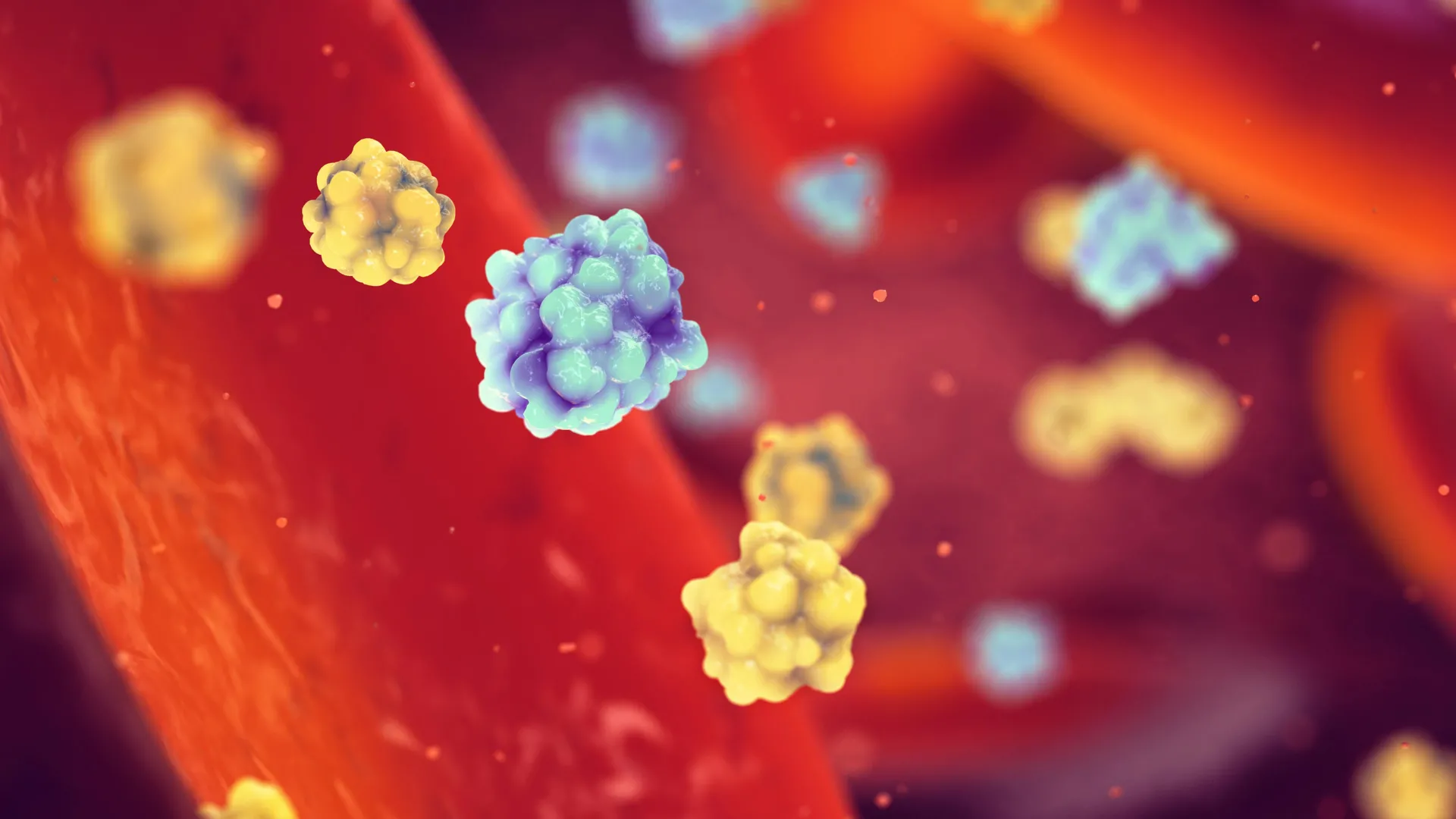
Much like crafting an origami masterpiece, proteins in our cells must fold into precise shapes to function properly. This delicate process becomes precarious as prediabetes advances toward diabetes. Misfolded proteins pile up inside cells, creating stress that can damage insulin-producing pancreatic cells. Researchers recently uncovered crucial details about this process, shedding light on how misfolded insulin may quietly drive diabetes.
Beta cells in the pancreas monitor blood sugar levels, responding to increases by releasing insulin. However, as diabetes progresses, these cells struggle to meet the body’s growing demand for insulin. Scientists have linked this decline to the misfolding of proinsulin, the precursor to insulin. While previous studies established that misfolded proinsulin accumulates in diabetes, the roles of additional proteins in controlling this process remained unclear. Recent research focuses on a chaperone protein called BiP and its cochaperone, p58IPK. These proteins work together to ensure correct folding of proinsulin, vital for the health of beta cells.
A New Frontier for Diabetes Treatment
Current diabetes medications primarily assist in managing blood sugar levels rather than fixing the underlying protein-folding issues that contribute to beta cell failure. These treatments largely help tissues absorb glucose or stimulate insulin release, but they ignore a critical aspect of the problem: protein misfolding. Strengthening the cellular machinery responsible for proper protein folding offers a promising therapeutic avenue.
Research indicates that improving the coordinated activity of BiP could preserve the function of insulin-producing cells. If scientists can influence this process, they may develop new strategies to intervene early, reducing damage to these vital cells. This innovation could revolutionize diabetes treatment, addressing the root of the problem rather than merely alleviating symptoms. As we move forward, the significance of protein folding in diabetes hopes to pave the way for life-changing interventions.
Continue Your Tech Journey
Dive deeper into the world of Cryptocurrency and its impact on global finance.
Access comprehensive resources on technology by visiting Wikipedia.
TechV1
