

Essential Insights
- The Galápagos Islands are crucial for understanding evolution and natural selection.
- Darwin’s finches showed how traits evolve for survival and reproduction.
- Recent research reveals rapid evolution of Galápagos giant daisies, Scalesia.
- Different genes caused similar leaf shapes in Scalesia, illustrating parallel evolution.
Evolution in Action: The Galápagos Model
The Galápagos Islands remain crucial in understanding evolution. When Charles Darwin visited in 1835, he collected data that launched a new era in biology. His observations of the finches revealed how species adapt over time. This adaptation occurs through natural selection, where traits suited to an environment boost survival and reproduction.
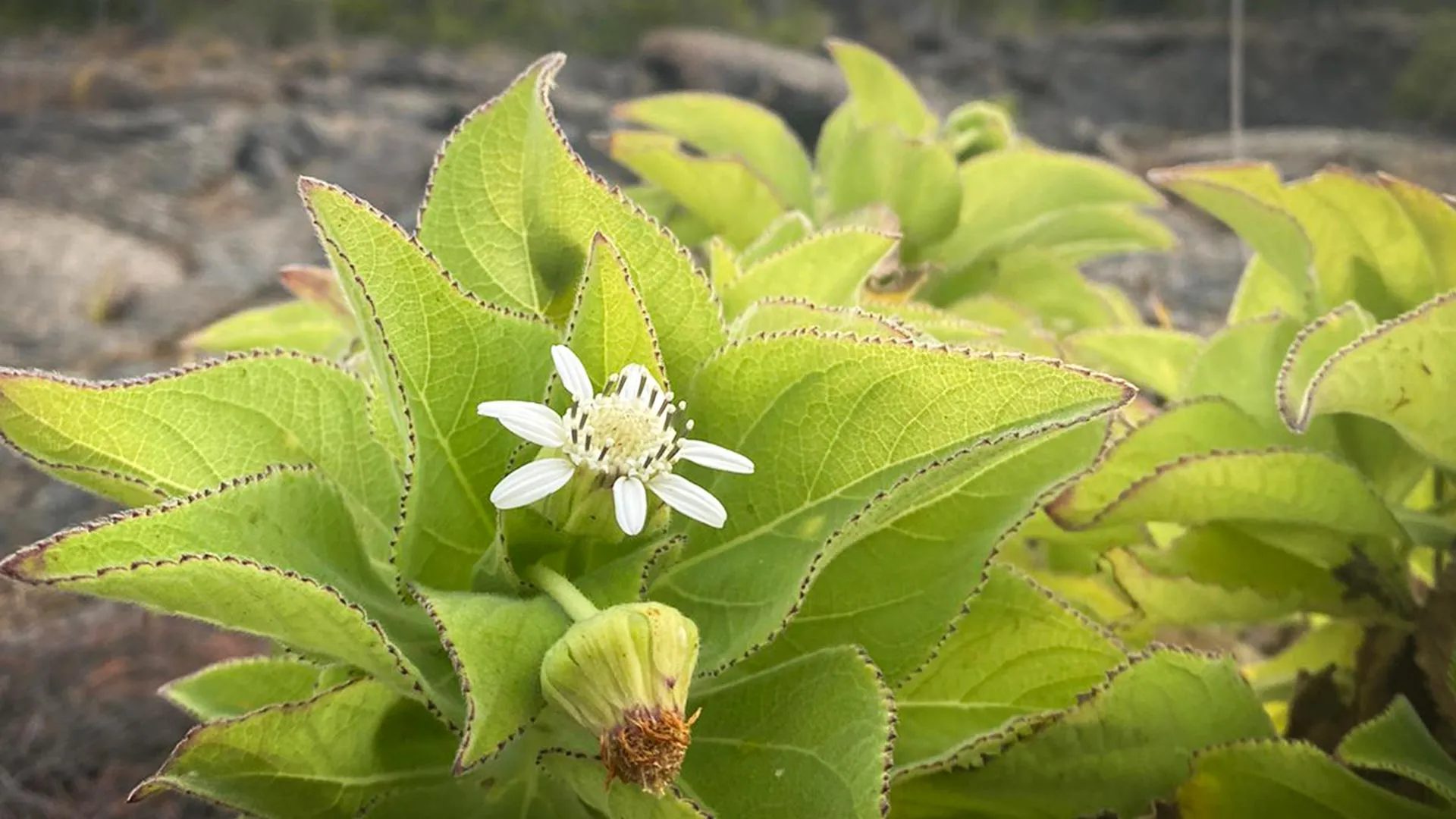
Recent studies echo Darwin’s findings. Researchers from diverse institutions, including the Royal Botanic Gardens and the University of California, have examined Scalesia, a genus of giant daisies. These plants arrived from mainland South America and adapted rapidly, forming unique species across the islands. Each species demonstrates distinct leaf shapes and sizes. Some thrive in humid forests, while others endure dry conditions. This rapid evolution mirrors that of Darwin’s finches and underscores the islands’ significance in evolutionary biology.
Parallel Evolution: A New Perspective
The latest research unveils a striking phenomenon: parallel evolution. Scientists found that deeply lobed leaves evolved multiple times within the Scalesia family tree. Remarkably, different genetic pathways led to similar outcomes, challenging previous assumptions about evolution’s mechanics. It’s not just one master gene at play; a network of interacting genes adapts traits to ensure survival.
This research reveals that evolution is still at work in the Galápagos. Isolated populations of Scalesia show significant genetic differences, suggesting that new species may emerge. Conservation strategies should recognize these unique lineages, tailoring efforts to protect distinct ecosystems. The findings highlight evolution’s flexibility and creativity, offering valuable insights into how life continues to adapt in the face of environmental challenges. The Galápagos Islands, once the backdrop for Darwin’s discoveries, persist as a living laboratory for evolutionary science.
Continue Your Tech Journey
Learn how the Internet of Things (IoT) is transforming everyday life.
Explore past and present digital transformations on the Internet Archive.
TechV1
