
Close Menu
    Facebook X (Twitter) Instagram
    Friday, November 6
    Top Stories:
    • China’s AI Chipmakers Turn Profitable: Can the Momentum Last?
    • Major Trial Challenges Who Needs Statins
    • Hua Hong Bets Big on Silicon Photonics for AI Boom
    Facebook X (Twitter) Instagram Pinterest Vimeo
    IO Tribune
    • Home
    • AI
    • Tech
      • Gadgets
      • Fashion Tech
    • Crypto
    • Smart Cities
      • IOT
    • Science
      • Space
      • Quantum
    • OPED
    IO Tribune
    Home » Ultrathin, Air-Stable Superconductors Boost Quantum Devices
    Quantum

    Ultrathin, Air-Stable Superconductors Boost Quantum Devices

    Staff ReporterBy Staff ReporterAugust 6, 2026No Comments2 Mins Read
    Share Facebook Twitter Pinterest LinkedIn Tumblr Reddit Telegram Email
    Share
    Facebook Twitter LinkedIn Pinterest Email

    Essential Insights

    1. MIT researchers developed a method to grow air-stable, monolayer niobium diselenide.
    2. The superconductor maintained properties after integration into quantum circuits, enabling miniaturization.
    3. The new process allows wafer-scale growth, opening doors for practical quantum device applications.
    4. This advance could enhance quantum computing hardware and ultrasensitive detectors in future technologies.

    Breakthrough in Ultrathin Superconductors

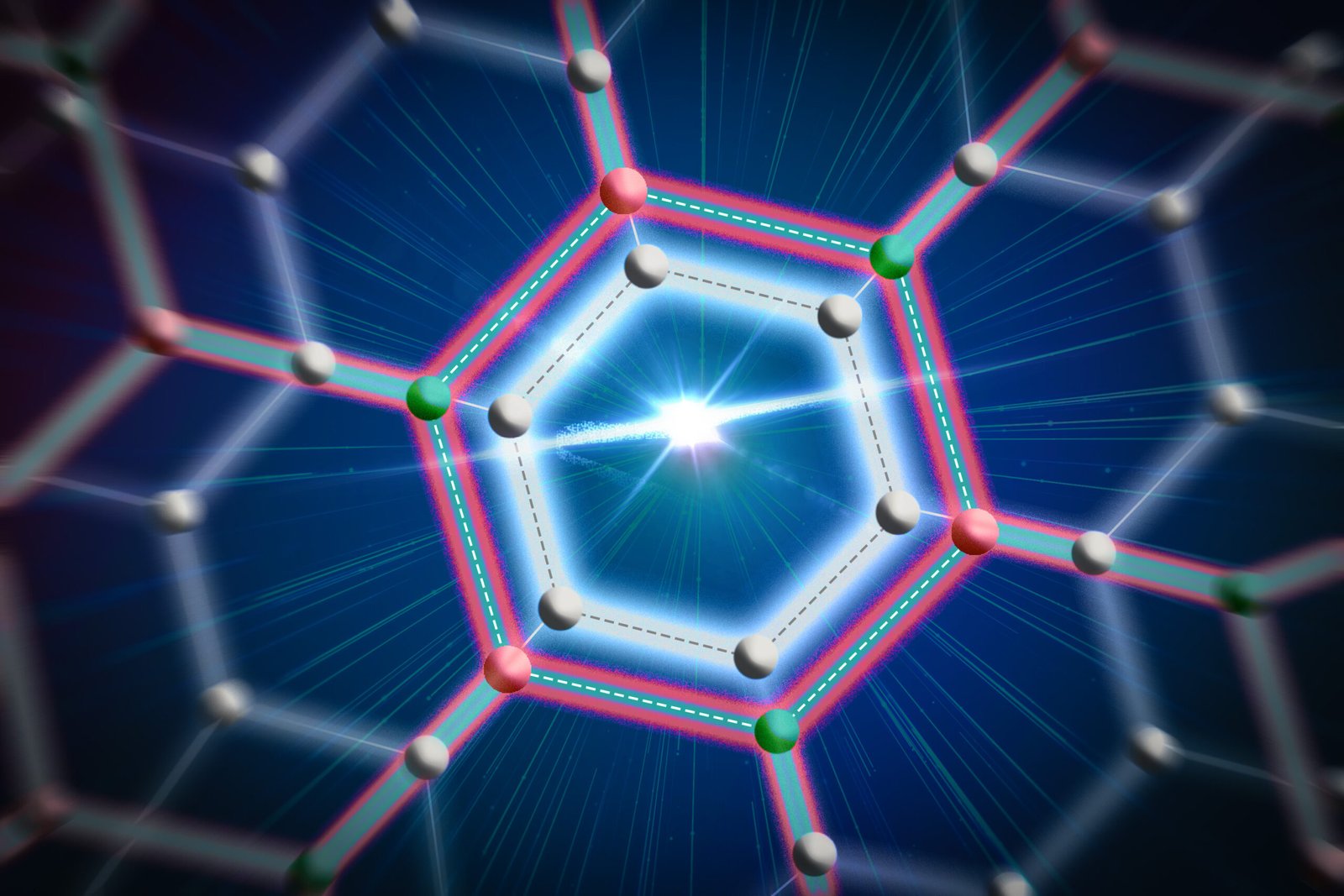
    Researchers have created a new air-stable, ultrathin superconductor that can be used in more scalable quantum devices. They grew a single-layer material called niobium diselenide in a way that protects it from rapid oxidation when exposed to air. This method involves placing a layer of graphene over a silicon dioxide substrate before depositing the superconductor material, allowing the growth to happen in a tiny gap. As a result, the superconductor remains pure, smooth, and over an inch in size. When transferred to a circuit, it maintains its properties and shows high kinetic inductance, which is useful for miniaturizing quantum hardware. This progress opens doors for more practical, compact quantum circuits and advanced detectors that could enhance communication and understanding of the universe.

    Implications for Quantum Technology

    The ability to grow these monolayer superconductors at large scales and integrate them into circuits is significant. It means future quantum devices could be smaller, more durable, and easier to produce. The researchers also developed a special transfer method to keep the superconductor intact during assembly, ensuring high-quality connections with electrodes. This approach works not only for niobium diselenide but also for other thin, quantum materials. The advancements highlight a promising path toward more efficient quantum computing, sensors, and other advanced technologies. Continued work aims to explore new device architectures and accelerate discoveries in quantum physics and engineering.

    Discover More Technology Insights

    Stay informed on the revolutionary breakthroughs in Quantum Computing research.

    Stay inspired by the vast knowledge available on Wikipedia.

    QuantumV1

    2-D materials graphene HPC Innovation Jing Kong Joel Î-j. Wang Kenan Zhang niobium diselenide Quantum Sameia Zaman superconducting materials VT1 William D. Oliver Xudong Sheldon Zheng
    Share. Facebook Twitter Pinterest LinkedIn Tumblr Email
    Previous ArticleSABESP Teams with Vivo, IDEMIA for Secure Transactions
    Next Article Tesla V4 Superchargers Power Up EVgo’s US Network
    Avatar photo
    Staff Reporter
    • Website

    John Marcelli is a staff writer for IO Tribune, with a passion for exploring and writing about the ever-evolving world of technology. From emerging trends to in-depth reviews of the latest gadgets, John stays at the forefront of innovation, delivering engaging content that informs and inspires readers. When he's not writing, he enjoys experimenting with new tech tools and diving into the digital landscape.

    Related Posts

    Tech

    China’s AI Chipmakers Turn Profitable: Can the Momentum Last?

    November 6, 2026
    Science

    Major Trial Challenges Who Needs Statins

    November 6, 2026
    AI

    AI Companies Want to Buy Your Work Files and Emails

    November 6, 2026
    Add A Comment

    Comments are closed.

    Must Read

    China’s AI Chipmakers Turn Profitable: Can the Momentum Last?

    November 6, 2026

    Major Trial Challenges Who Needs Statins

    November 6, 2026

    AI Companies Want to Buy Your Work Files and Emails

    November 6, 2026

    The Hidden Recycling Problem with Lightweight Packaging

    November 6, 2026

    Google Find Hub Alerts You When You Leave a Tracker Behind

    November 6, 2026
    Categories
    • AI
    • Crypto
    • Fashion Tech
    • Gadgets
    • IOT
    • OPED
    • Quantum
    • Science
    • Smart Cities
    • Space
    • Tech
    Most Popular

    Donatella Versace: Iconic Style Highlights

    November 4, 2025

    Lockheed Martin & Fujitsu: Accelerating Dual-Use Tech

    February 4, 2026

    Ultimate Biometric Smart Lock: SwitchBot Lock Vision Pro Review

    June 14, 2026
    Our Picks

    Apple Faces Challenges in China as Huawei Rises

    July 7, 2025

    Waymo Revives Delivery with DoorDash Partnership

    October 16, 2025

    GCF, MSSA Partner to Boost Global NTN Standards

    October 4, 2026
    Categories
    • AI
    • Crypto
    • Fashion Tech
    • Gadgets
    • IOT
    • OPED
    • Quantum
    • Science
    • Smart Cities
    • Space
    • Tech
    • Privacy Policy
    • Disclaimer
    • Terms and Conditions
    • About Us
    • Contact us
    Copyright © 2025 Iotribune.comAll Rights Reserved.

    Type above and press Enter to search. Press Esc to cancel.