

Top Highlights
- Snails produce five types of mucus with distinct functions and properties.
- Composition varies by protein, ions, and secretion method, influencing mucus stiffness.
- Snail slime’s versatility has potential in medical, cosmetic, and material applications.
- Studying snail mucus offers insights for creating new, adaptive biomaterials.
Snails and Their Unique Slime: A Masterclass in Adaptability
Snails are often seen as slow-moving creatures, but recent research shows they are much more complex. They produce different types of slime, each suited for specific tasks. A study published in the journal Science reveals that snails can change the makeup of their mucus to meet different needs. This ability makes them remarkable, especially in how they adapt to their environment.
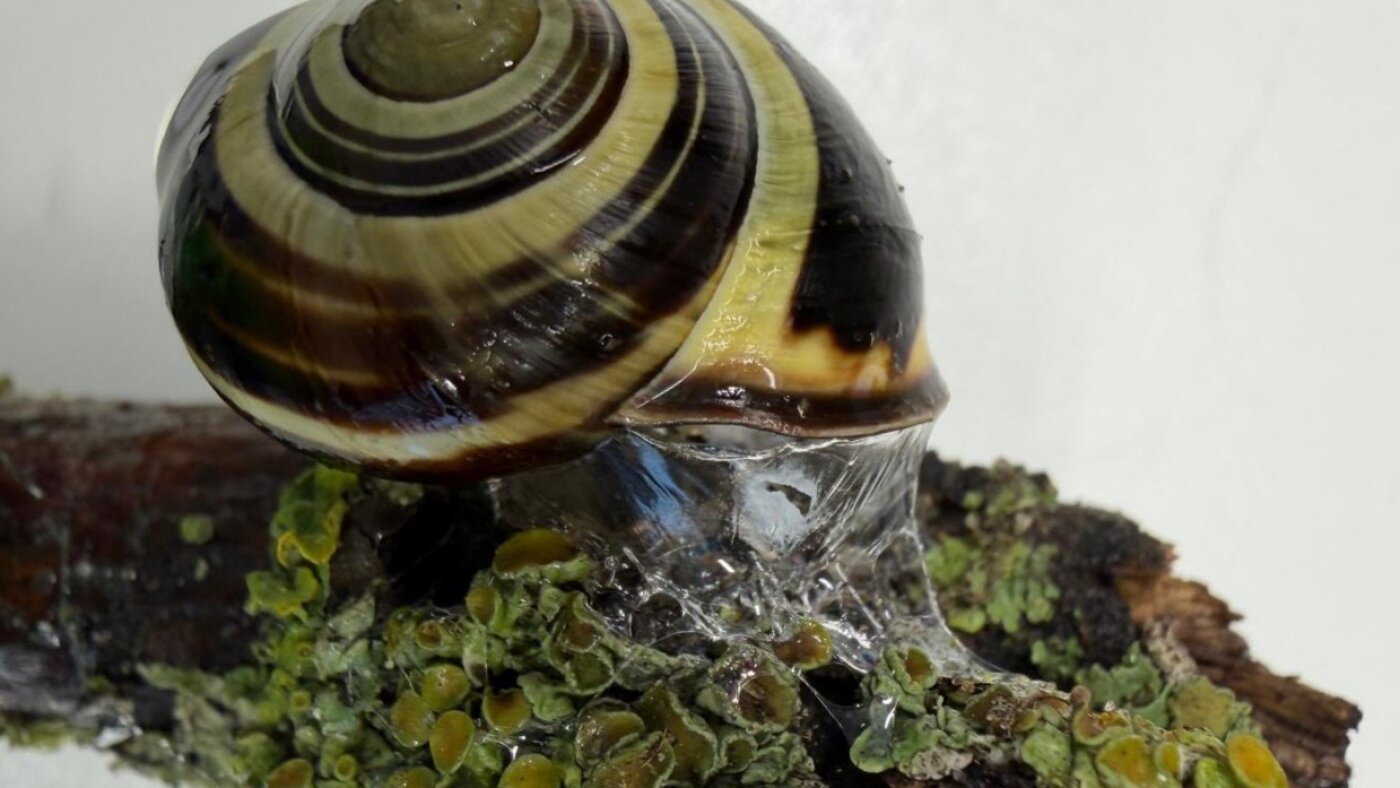
The brown-lipped snail, common in central Europe, creates five types of mucus. Each type has a special role. For example, some mucus helps with movement, while others defend the snail or protect it during winter. These mucuses are not all the same. They contain similar proteins, but in varying amounts. These differences, along with calcium and other ions, change how sticky or stiff the mucus is. When there is more collagen and calcium, the mucus becomes firmer and more adhesive.
Scientists studied these mucuses by collecting samples directly from the snails. They used gentle methods, such as tickling the snails or tricking them into producing different types of slime. The research team analyzed the samples and found that even small changes in composition can lead to big differences in function. This research could inspire new materials for humans, like medical glues or wound sealants. The ability of snails to switch mucus types on demand shows a high level of natural engineering.
Implications for Human Use and Future Technology
The discovery of how snails modify their slime opens many possibilities. Experts believe this natural system could lead to innovations in medicine, cosmetics, and other fields. For instance, the slippery mucus used for movement might be adapted for medical tools, making devices like catheters easier to insert. The adhesive mucus could help develop better bandages or wound closures that stick securely yet are gentle on the skin.
While the concept shows promise, it also raises questions about practicality. Can these biological processes be fully replicated in laboratories? Will new materials be as safe and effective as natural mucus? Experts urge caution but also see great potential. The versatility of snail mucus demonstrates how nature’s solutions often surpass human-made inventions in complexity and function.
By understanding and learning from snails, engineers and scientists hope to develop smarter materials. These innovations could have significant impacts on health care and everyday life. Nature remains a vast, largely untapped resource, and snails show us how much there still is to discover.
Continue Your Tech Journey
Learn how the Internet of Things (IoT) is transforming everyday life.
Stay inspired by the vast knowledge available on Wikipedia.
Space
