

Quick Takeaways
- Silicon Labs’ BG2B boosts IoT with ultra-low power, security, and integrated peripherals.
- Features enhance location accuracy, secure ranging, and support for complex Bluetooth LE apps.
- Significantly extends battery life with innovative power architecture and multi-core design.
- Built-in security via Secure Vault™ prepares devices for stringent cybersecurity standards.
Advancing Everyday Devices with Longer Battery Life
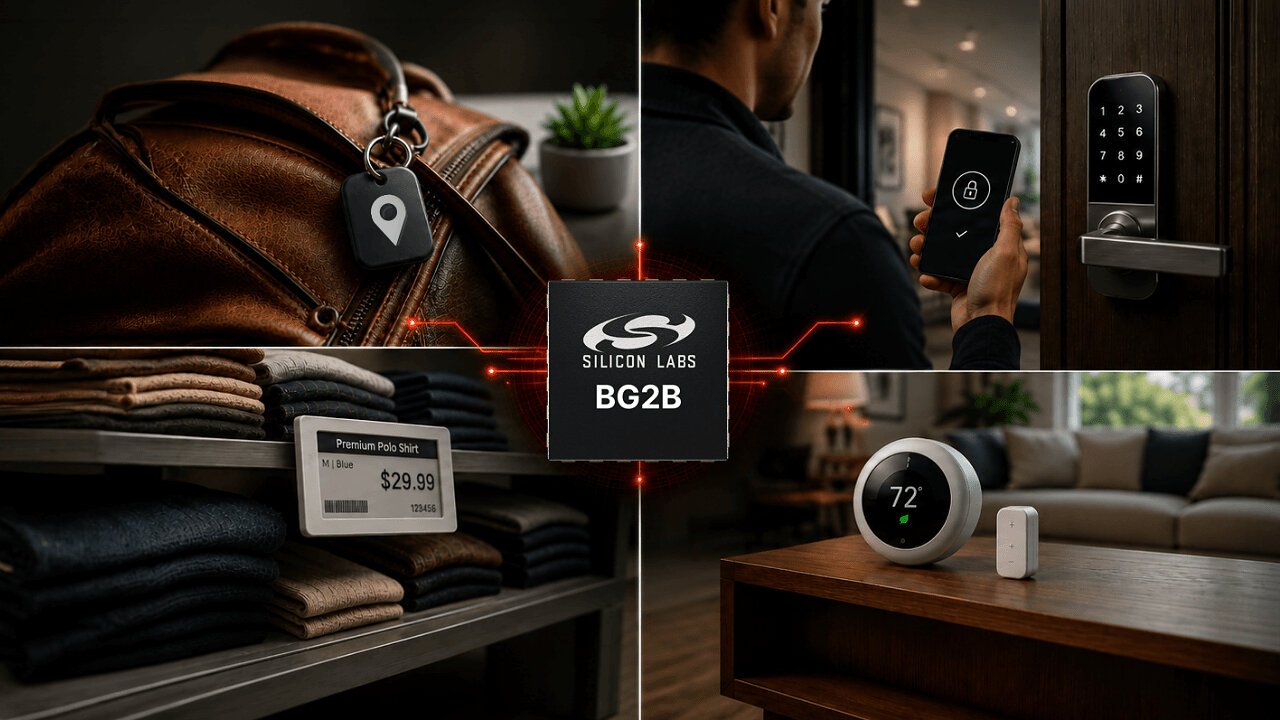
Silicon Labs has introduced the BG2B, a new Bluetooth Low Energy (LE) system-on-chip (SoC) that uses less power than previous models. This chip helps small, battery-powered devices last longer. For example, sensors in smart homes, wearable health gadgets, and retail tags can operate for extended periods without frequent battery changes. This means fewer battery replacements and more reliable performance for daily gadgets.
Supporting Scientific and Industrial Progress
The BG2B is designed to meet growing demands for smarter, location-aware technology. It supports features like secure ranging and enhanced peripheral options, including integrated LED control and vehicle diagnostics. These features enable researchers and engineers to develop more advanced applications, such as industrial sensors and asset tracking systems. As a result, the chip contributes to scientific progress and innovative solutions across many fields.
Improving Security and Future-Readiness
Security remains a key focus of the BG2B. It includes Silicon Labs’ Secure Vault™ technology, which safeguards sensitive data and cryptographic keys. This makes the device suitable for applications that need high security, such as secure asset monitoring or healthcare devices. Moreover, it supports upcoming cybersecurity standards, helping manufacturers prepare for evolving safety requirements. Overall, the BG2B enhances the safety and reliability of connected devices, improving quality of life in various ways.
Expand Your Tech Knowledge
Stay informed on the revolutionary breakthroughs in Quantum Computing research.
Stay inspired by the latest discoveries from NASA.
IoTV1
