

Fast Facts
- The world creates fabric waste equivalent to a garbage truck every second.
- Clothing brands now offer repair services to appeal to eco-conscious young consumers.
- Levi’s teaches teens sewing skills to promote garment longevity and sustainability.
- Consumers like Chloe prefer fixing clothes and buying secondhand to reduce waste.
Levi’s and Uniqlo Embrace Repair-Focused Strategies
Levi’s and Uniqlo are shifting the way they sell clothing by promoting repair and reuse. This approach is called the “fix it, don’t ditch it” sales strategy. It encourages customers to mend their clothes instead of throwing them away. This tactic appeals to Generation Z, who want affordable options and want to help the planet.
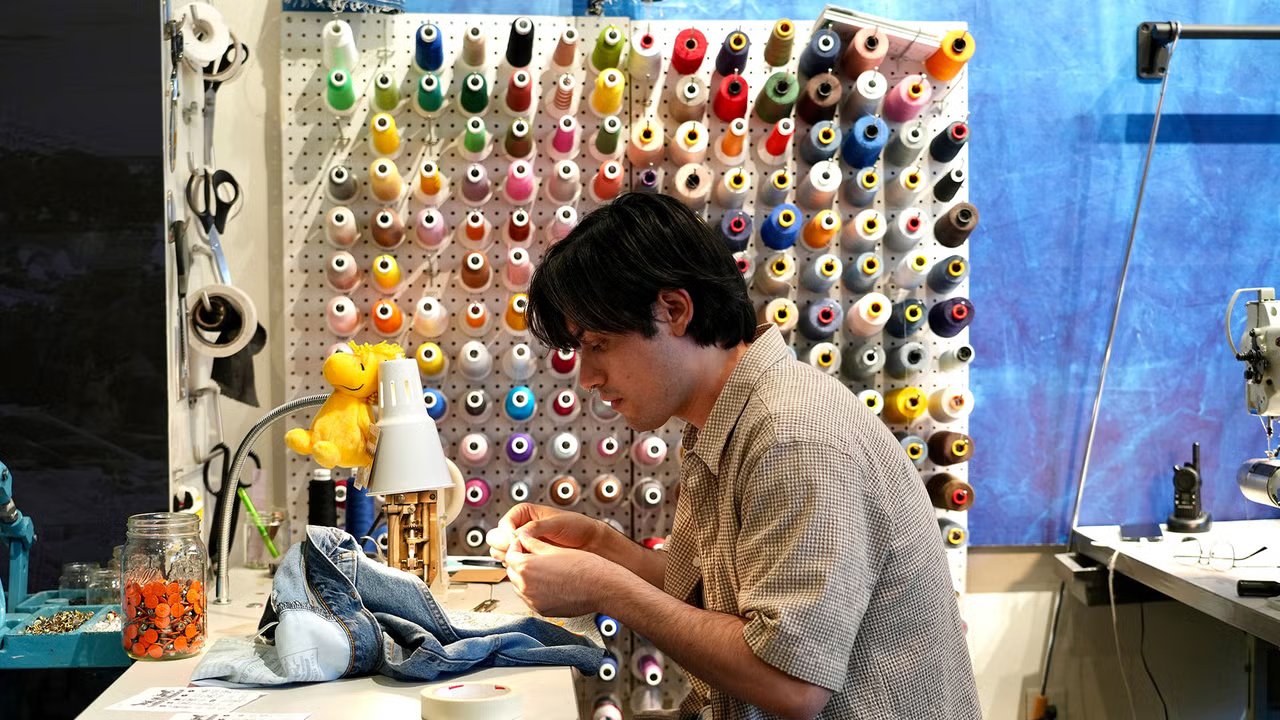
Levi’s has recognized a problem. Many young consumers do not know how to sew or repair clothes. The company created a program to teach teens how to mend and customize garments. Levi’s staff spend 90 minutes showing students how to sew buttons, patch holes, and repair tears. The goal is to give customers the skills to extend their clothes’ life. Levi’s expands this program across the U.S., building stronger connections with eco-conscious buyers.
Uniqlo also promotes sustainability through its repair services. The brand offers in-store mending and customization, making it easier for customers to maintain their garments. These services not only increase the value of clothes but also foster loyalty. As customers see the effort to promote durability, they see Uniqlo’s commitment to environmental responsibility.
Connecting with a Generation Concerned About Waste and Cost
Many Gen Z consumers care about saving money and protecting the environment. Chloe Halprin, a 25-year-old from Detroit, reflects this mindset. She used to shop at inexpensive stores but now prefers secondhand clothes. Halprin learned to hem her clothes and hopes to do more DIY repair projects. She believes fixing her clothes instead of replacing them aligns with her values.
The “fix it, don’t ditch it” message resonates with young people like her. It offers a practical way to reduce waste, save money, and express creativity. For brands, adopting this strategy helps build a loyal customer base that values sustainability. It also promotes a new way of shopping—where quality, repairability, and longevity matter more than ever.
This shift shows that brands are not just selling clothes. They are engaging with a broader movement that prioritizes the planet and personal responsibility. As Levi’s and Uniqlo demonstrate, repair programs can be a powerful tool in connecting with today’s environmentally aware consumers.
Expand Your Tech Knowledge
Learn how the Internet of Things (IoT) is transforming everyday life.
Discover archived knowledge and digital history on the Internet Archive.
TechV1
