

Summary Points
-
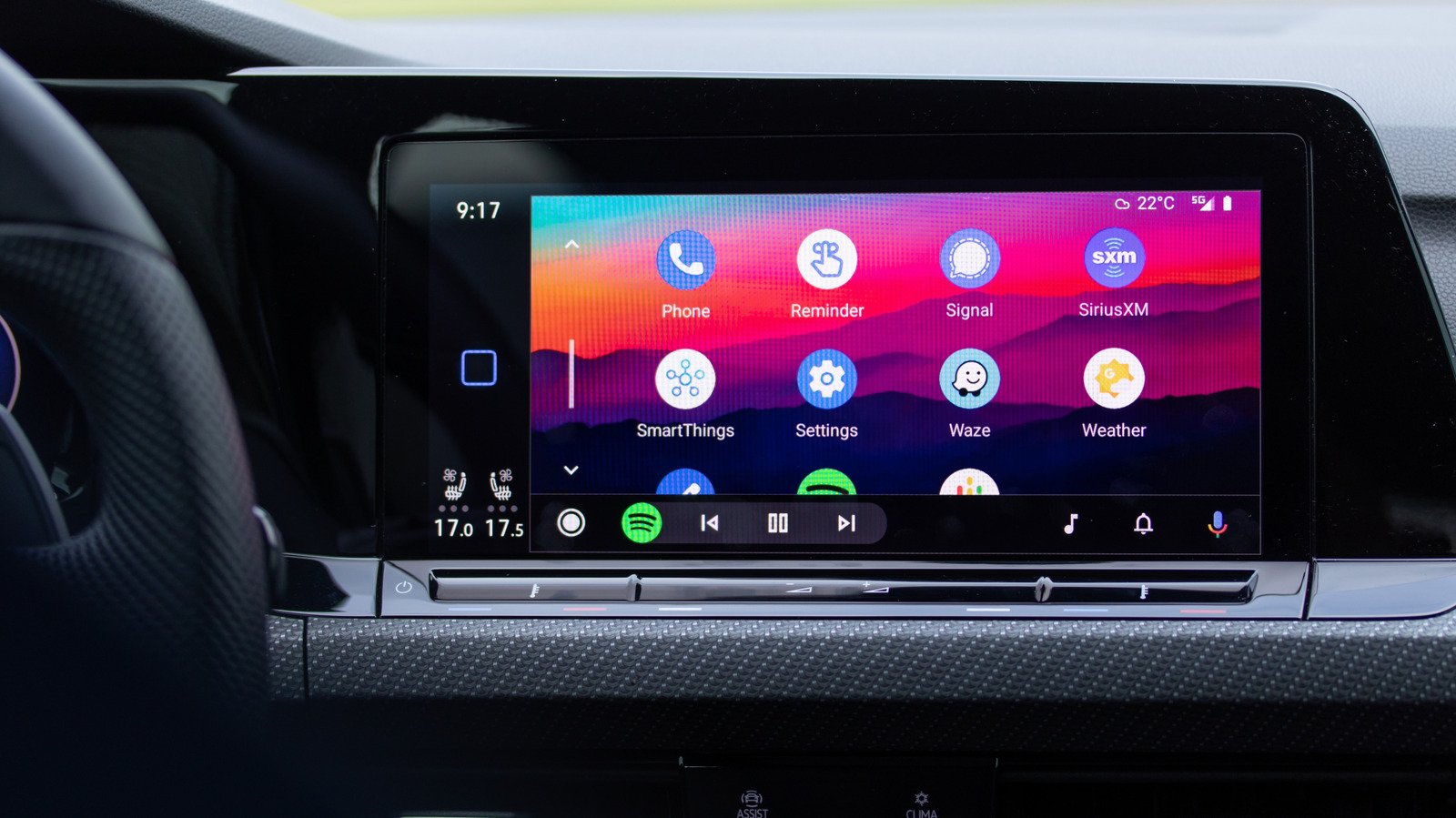
Android Auto connects your phone to the vehicle, providing a driving-friendly interface on the car’s display for apps like navigation and music, while relying on your phone for processing.
-
Android Automotive OS (AAOS) runs directly on the car’s hardware, offering integrated control over vehicle functions such as infotainment, climate, and EV data without needing a phone.
-
Google built-in is a separate, licensed package that adds native Google services to vehicles with AAOS, offering features like Google Maps and Assistant independently from Android Auto.
-
Automakers like Polestar can combine AAOS with both Android Auto and Google built-in, providing flexible options for drivers without exclusivity between platforms.
Understanding the Basics: How Android Auto and Android Automotive Differ
Many drivers get confused when they hear about Android Auto and Android Automotive. At first glance, the names sound similar. However, they serve different purposes. Android Auto connects your phone to your car’s display. It uses your phone’s apps and data to create a driver-friendly interface. You can see navigation, music, and messages on the car screen. It works through a cable or wirelessly, depending on your tools. Think of it as a bridge between your phone and your car’s dashboard.
Android Automotive OS is a different system. It runs directly on the vehicle’s hardware, without needing your phone. This means the car’s built-in software handles everything. When a vehicle uses Android Automotive, it doesn’t rely on your phone to operate. Instead, the car has its own Android-powered system. This setup offers a more integrated experience. It includes things like infotainment, climate controls, and even vehicle data. Both systems bring smart features to driving, but they operate in completely different ways.
Understanding these distinctions is key. Android Auto keeps your phone at the core, while Android Automotive embeds the system into the car itself. This separation affects how updates, apps, and features work in each case.
Features and Benefits: What Each System Offers
Android Auto’s main benefit is convenience. Since it uses your phone, you can take your apps and preferences with you. Whether you switch cars or upgrade your device, your experience stays the same. Android Auto supports popular apps like Google Maps, Spotify, and messaging services. It helps you stay connected while keeping your focus on the road. Plus, it supports some vehicle data, such as battery level or range, if your car allows it.
On the other hand, Android Automotive offers a more seamless experience. Because it runs right inside the vehicle, it can control more functions. For example, automakers can integrate climate controls, instrument displays, and even electric vehicle data. This integration can mean less distraction and easier access. Vehicles with Android Automotive can update their software over the air, adding new features and improvements without visiting a dealer. Additionally, some cars, like the Polestar 2, combine Google’s built-in services with compatibility for Android Auto and Apple CarPlay, providing flexibility for drivers.
Both systems aim to enhance your driving experience. Android Auto makes your existing phone work smarter in the car. Android Automotive delivers a tailored, integrated software environment directly in the vehicle. Each has its own set of advantages that make driving safer, more connected, and more enjoyable.
The Future of In-Car Technology: Enhancing Drivers’ Experience
Advancements in Android Auto and Android Automotive promise exciting possibilities. Android Auto continues to evolve, with wireless connections and new app integrations making it more convenient. As more cars support this system, drivers will enjoy effortless connectivity across numerous vehicles and devices. The focus remains on simplicity and safety—providing quick access to navigation, music, and messaging without distractions.
Meanwhile, Android Automotive stands out with its potential to rethink vehicle interfaces. Automakers can customize the software to match their design language while adding on powerful features. As updates roll out over the air, vehicles can become smarter with better maps, voice controls, and vehicle management. This system also encourages a more unified experience, as drivers can have built-in Google services without needing their phones for certain functions.
Both systems serve different needs but share the goal of making driving more connected and enjoyable. By offering options—whether a phone-dependent system like Android Auto or a fully integrated Android Automotive OS—Google and automakers are shaping the future of automotive tech. Drivers can expect safer, smarter, and more personalized journeys ahead.
Continue Your Tech Journey
Stay informed on the revolutionary breakthroughs in Quantum Computing research.
Stay inspired by the vast knowledge available on Wikipedia.
CellphonesV1
