

Top Highlights
- El Niño caused below-normal Atlantic activity, but increased Pacific hurricane storms.
- Pacific Ocean saw intense storms, with several reaching Category 4 and 5.
- Atlantic remained quiet with minimal storms and low cyclone energy levels.
- NASA’s satellite imagery captured multiple simultaneous storms across oceans.
A Trio of Tropical Cyclones in the Pacific
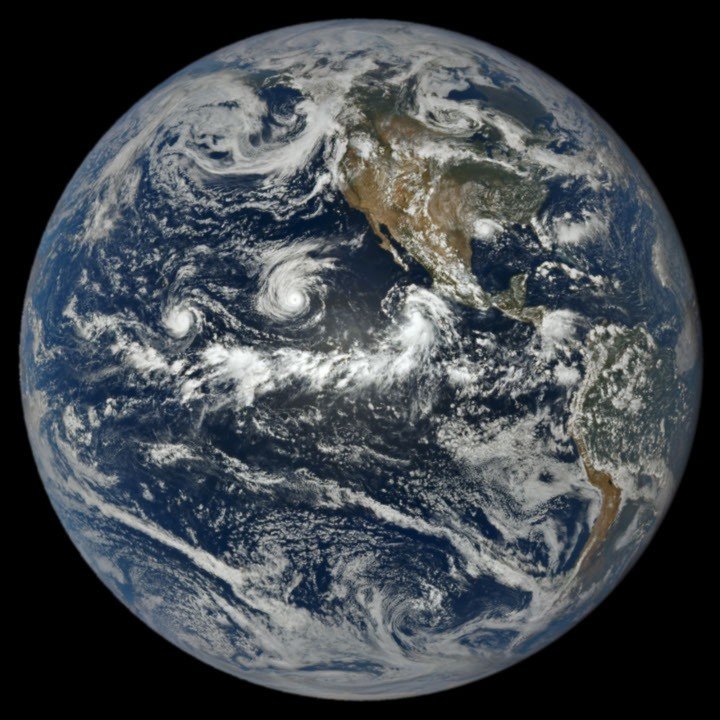
As the Pacific hurricane season peaks in early September 2026, a striking weather pattern emerges. NASA’s satellite imagery captures three active tropical cyclones swirling simultaneously in the eastern Pacific Ocean. This rare event highlights the influence of El Niño, a climate phenomenon that shapes hurricane activity across oceans. Meanwhile, the Atlantic remains relatively quiet under unfavorable wind shear conditions. This contrast demonstrates how large-scale climate factors can direct where storms form and intensify during a season.
<
El Niño’s Role in Pacific Storm Activity
El Niño is warming ocean waters in the Pacific and changing atmospheric circulation. These shifts lead to more frequent and stronger storms in the eastern and central Pacific basins. In 2026, by early September, the Northeast Pacific had already produced 15 named storms and six hurricanes — well above the norm for this time of year. The increased activity is consistent with typical El Niño patterns, which bolster storm development in the Pacific by providing warmer, energy-rich waters and favorable conditions.
In contrast, the Atlantic Ocean faces suppressive effects from El Niño. Typically, strong wind shear and atmospheric stability inhibit storm formation there during El Niño years. As of September 3, the Atlantic had only five named storms, with no hurricanes. These conditions show how climate phenomena like El Niño can extend their influence across hemispheres, shaping seasonal weather patterns.
<
Capturing a Rare Sight: Three Pacific Hurricanes in One Image
On September 1, at 1:14 p.m. Pacific Daylight Time, NASA’s DSCOVR satellite captured an extraordinary image. Using its Earth Polychromatic Imaging Camera (EPIC), the satellite revealed three active tropical cyclones in the Pacific — Lowell, Karina, and Marie — plus one storm in the Atlantic. Astronomers noted how Lowell had reached Category 5 strength, the highest on the hurricane scale, for several hours. Meanwhile, Karina was intensifying to Category 4, and Marie was still a tropical storm but showing signs of strengthening.
This snapshot illustrates how active this hurricane season has been. The simultaneous presence of Category 4 and 5 hurricanes in the Pacific is rare but not unprecedented. It reflects the heightened energy input into this basin, a hallmark of El Niño’s recent influence.
Over in the Atlantic, Tropical Storm Edouard had recently made landfall in Louisiana and Texas. The storm brought heavy rains, with some areas experiencing more than 20 inches of rain. Flooding and power outages followed, emphasizing the danger storms pose to communities. At this point in the season, the Atlantic’s total accumulated cyclone energy (ACE) was only about 9 percent of the long-term average, while the Pacific’s ACE was around 50 percent above normal. The ACE index helps scientists compare storm strength and duration across seasons, offering a clearer picture of overall activity.
Monitoring tools like NASA’s Earth-observing satellites provide vital data for emergency response and preparedness. Public safety teams use platforms such as NASA’s Worldview browser to track storms in real time, helping with evacuation plans and damage assessments.
This intense phase of the Pacific hurricane season, marked by multiple powerful storms, exemplifies the complex interplay of climate factors shaping global weather. While the Pacific’s activity is on the rise, the Atlantic remains relatively calm due to prevailing atmospheric conditions. The continued observation and study of these storms are essential to better understand how climate change and natural phenomena like El Niño influence hurricane behavior worldwide.
Stay Ahead with the Latest Tech Trends
Stay informed on the revolutionary breakthroughs in Quantum Computing research.
Stay inspired by the vast knowledge available on Wikipedia.
Space
