

Fast Facts
- The Faaborg family shifted from pig farming to mushroom cultivation using converted barn spaces.
- Transfarmation helps farmers transition from industrial livestock to sustainable specialty crops, repurposing infrastructure.
- Transitioning from CAFOs to mushroom farming reduces environmental harm and revitalizes farm ecosystems.
- The project demonstrates profitable, eco-friendly farming with community and data-sharing benefits.
From Hog Barns to Mushroom Fields: Iowa Farm’s Transformation
A family farm in central Iowa is rewriting its history. Once a hub for pig farming, 1100 Farm now grows specialty mushrooms. This shift shows how farmers can adopt new practices that are healthier for the environment and more sustainable for their communities. Supported by the nonprofit organization Mercy for Animals and its Transfarmation Project, the Faaborg family is turning old livestock infrastructure into a model for sustainable farming. Their story highlights innovative ways farmers are changing to reduce impacts on climate and local ecosystems.
Repurposing Infrastructure and Growing New Crops
The Faaborg family retrofitted a former hog barn—long, dim, and once filled with pigs—into a mushroom-growing space. The project started in 2021, after they sold their last herd of hogs. They now grow specialty mushrooms, including lion’s mane, primarily on their own mushroom blocks made from soy hulls and hardwood pellets. The family makes many of their supplies to keep costs down, showing how resourcefulness plays a role in transition efforts.
Their new operation is more than just a farm. It acts as a demonstration hub, part of a national effort to help other farmers switch from large-scale animal production to growing plants and fungi. The project offers online resources, blueprints for converting barns, and data collection to measure costs, labor, and profits. The goal is to show that farming with crops like mushrooms can be viable and profitable, especially when supported by existing farm infrastructure. The Faaborgs are sharing their journey and insights, hoping to inspire others to consider similar changes.
This process is made possible through partnerships like Transfarmation, which provides technical support and funding. The organization sees repurposing animal farm buildings as a practical way to reduce waste and improve land health. It also saves farmers from building new structures, making the switch more feasible. For the Faaborgs, the project represents a chance to build a diverse farm while reducing their environmental footprint.
Environmental Benefits and Community Impact
Changing from hog farming to mushroom cultivation offers immediate environmental advantages. Hog operations produce millions of gallons of manure, leading to methane emissions—28 times more potent than carbon dioxide in trapping heat. Manure lagoons can also pollute nearby waterways during heavy rains, harming ecosystems. Relocating away from these systems to grow fungi or plants reduces methane release and improves water quality.
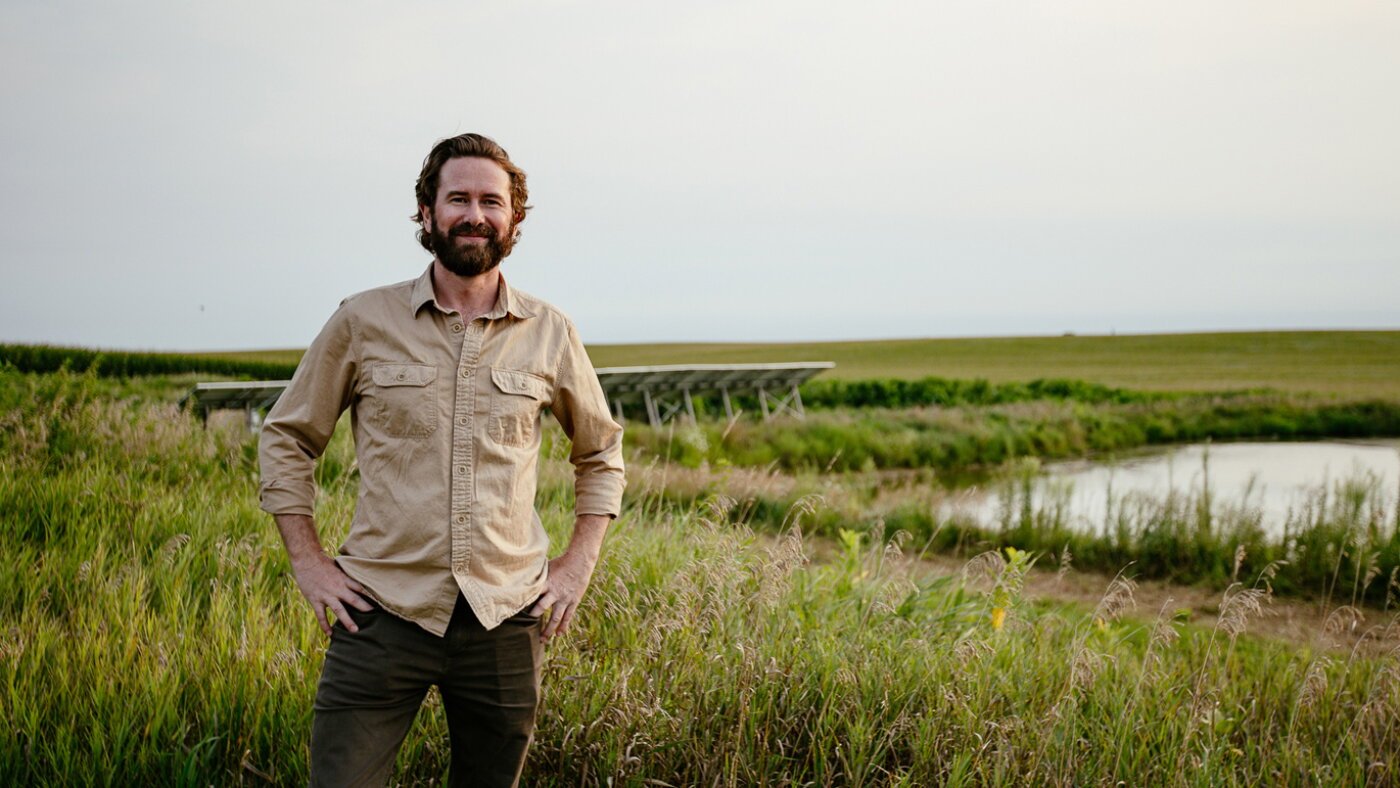
The Faaborgs also focus on rewilding parts of their farm. A manure pit has been transformed into a pond teeming with frogs, ducks, and other wildlife. They planted native grasses and added trees to attract pollinators and improve water runoff. These efforts create healthier habitats and demonstrate how agricultural land can contribute to local biodiversity.
Transitioning to mushroom farming is not without challenges. The Faaborgs face the ongoing task of building a market for their products and managing new production methods. Yet, they see benefits beyond the environment: healthier farms, new economic opportunities, and stronger community ties. Their farm serves as an example of how farms can adapt, innovate, and become part of a broader movement toward sustainable agriculture.
Discover More Technology Insights
Explore the future of technology with our detailed insights on Artificial Intelligence.
Stay inspired by the vast knowledge available on Wikipedia.
Space
