
Close Menu
    Facebook X (Twitter) Instagram
    Friday, October 2
    Top Stories:
    • Huawei Accelerates Tau Chip Launch, Mate XT 2 Nears 1M Sales
    • Revolutionary Diet Could Turn Back Brain Aging by 2.5 Years
    • Apple Dominates China Smartphone Market with iPhone 18 Pro Launch Momentum
    Facebook X (Twitter) Instagram Pinterest Vimeo
    IO Tribune
    • Home
    • AI
    • Tech
      • Gadgets
      • Fashion Tech
    • Crypto
    • Smart Cities
      • IOT
    • Science
      • Space
      • Quantum
    • OPED
    IO Tribune
    Home » Mastering Safe Landings: Preparing for Lunar and Beyond Missions
    Space

    Mastering Safe Landings: Preparing for Lunar and Beyond Missions

    Staff ReporterBy Staff ReporterOctober 1, 2026No Comments2 Mins Read
    Share Facebook Twitter Pinterest LinkedIn Tumblr Reddit Telegram Email
    Share
    Facebook Twitter LinkedIn Pinterest Email

    Essential Insights

    NASA’s SPLICE system completed successful lunar descent simulations. It ensures safe, precise landings on Moon, Mars, and icy worlds. SPLICE uses advanced navigation and guidance for challenging terrains. It enables exploration of unknown, scientifically valuable landing sites.

    Practicing for Safe Landings on the Moon and Beyond

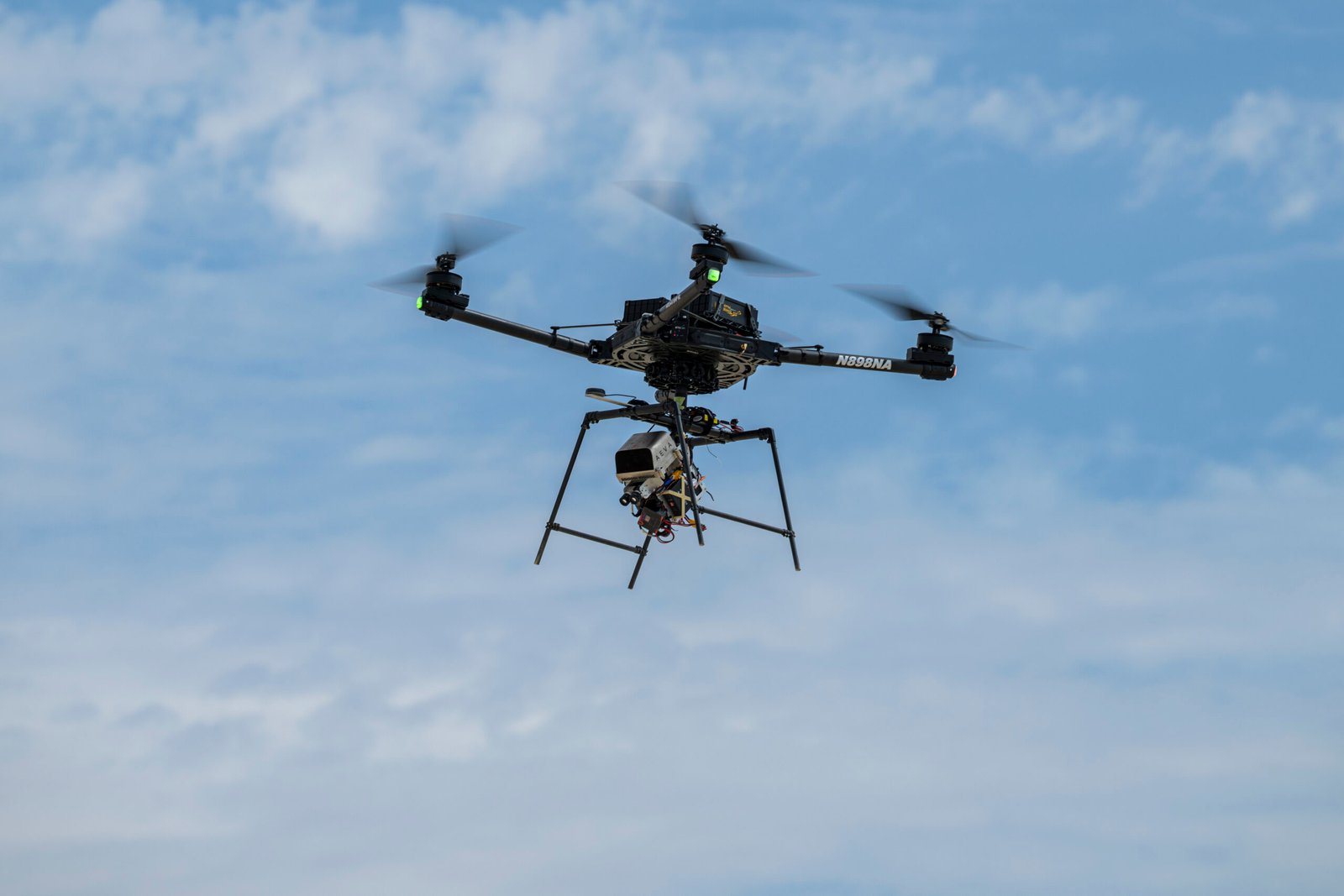
    On August 27, 2026, an Alta-X drone carried out a significant test near NASA’s Armstrong Flight Research Center in Edwards, California. The drone flew using an advanced guidance and navigation system called SPLICE. This experiment marks a major step forward in space exploration, aiming to make landings on the Moon, Mars, icy worlds, and other planets safer and more precise.

    NASA’s Johnson Space Center in Houston developed SPLICE, a technology designed to improve how spacecraft land on challenging and unknown terrain. During recent tests, SPLICE successfully completed simulated lunar descent and landing maneuvers. This system uses specialized navigation, guidance, and processing techniques to identify safe landing sites even in difficult conditions. It helps spacecraft land in areas of high scientific interest that are hard to reach with current technology.

    Advancing Space Landing Technology

    SPLICE represents a new approach to space exploration. It combines multiple technologies to guide spacecraft accurately to their destinations. By doing so, it reduces the risks associated with landing in unfamiliar or rugged terrain. This is especially important on the Moon and Mars, where conditions can be treacherous and landing sites are often unpredictable. The successful testing shows that the system could soon be used on future missions to deliver equipment, scientific instruments, or even astronauts to remote locations safely.

    Balancing Innovation with Practicality

    While SPLICE offers promising benefits, integrating new landing systems into space missions requires careful planning. The technology must be reliable and adaptable across different environments. Space agencies must weigh the costs and complexity of deploying advanced guidance systems against the potential safety improvements. As research continues, these innovative technologies are expected to expand our ability to explore deep space and reach areas once thought impossible to access safely.

    Expand Your Tech Knowledge

    Learn how the Internet of Things (IoT) is transforming everyday life.

    Access comprehensive resources on technology by visiting Wikipedia.

    Space

    Cosmos Mars NASA Science in the Air Space VT1
    Share. Facebook Twitter Pinterest LinkedIn Tumblr Email
    Previous ArticleSamsung Unveils First Clip-On Earbuds in South Korea
    Next Article Revolutionary Diet Could Turn Back Brain Aging by 2.5 Years
    Avatar photo
    Staff Reporter
    • Website

    John Marcelli is a staff writer for IO Tribune, with a passion for exploring and writing about the ever-evolving world of technology. From emerging trends to in-depth reviews of the latest gadgets, John stays at the forefront of innovation, delivering engaging content that informs and inspires readers. When he's not writing, he enjoys experimenting with new tech tools and diving into the digital landscape.

    Related Posts

    Tech

    Huawei Accelerates Tau Chip Launch, Mate XT 2 Nears 1M Sales

    October 2, 2026
    Science

    Revolutionary Diet Could Turn Back Brain Aging by 2.5 Years

    October 2, 2026
    Gadgets

    Samsung Unveils First Clip-On Earbuds in South Korea

    October 1, 2026
    Add A Comment

    Comments are closed.

    Must Read

    Huawei Accelerates Tau Chip Launch, Mate XT 2 Nears 1M Sales

    October 2, 2026

    Revolutionary Diet Could Turn Back Brain Aging by 2.5 Years

    October 2, 2026

    Mastering Safe Landings: Preparing for Lunar and Beyond Missions

    October 1, 2026

    Samsung Unveils First Clip-On Earbuds in South Korea

    October 1, 2026

    ReLU Revolution Unveils Brain’s Biological Clues

    October 1, 2026
    Categories
    • AI
    • Crypto
    • Fashion Tech
    • Gadgets
    • IOT
    • OPED
    • Quantum
    • Science
    • Smart Cities
    • Space
    • Tech
    Most Popular

    Connected Irrigation: Unlocking the Future of Outdoor Automation

    August 13, 2026

    $30M Settlement: DOJ Takes Action on PayPal’s Minority Business Practices

    May 12, 2026

    Behind the Wheel: The Hidden Role of Remote Operators in Robotaxi Rides

    April 6, 2026
    Our Picks

    Meet Your $20K Humanoid Robot: Prepare to Train!

    October 31, 2025

    Apple Moves Closer to M5 MacBook Production

    September 28, 2025

    SpaceX Seeks FCC Green Light for 7,500 More Starlink Gen2 Satellites

    January 11, 2026
    Categories
    • AI
    • Crypto
    • Fashion Tech
    • Gadgets
    • IOT
    • OPED
    • Quantum
    • Science
    • Smart Cities
    • Space
    • Tech
    • Privacy Policy
    • Disclaimer
    • Terms and Conditions
    • About Us
    • Contact us
    Copyright © 2025 Iotribune.comAll Rights Reserved.

    Type above and press Enter to search. Press Esc to cancel.