

Top Highlights
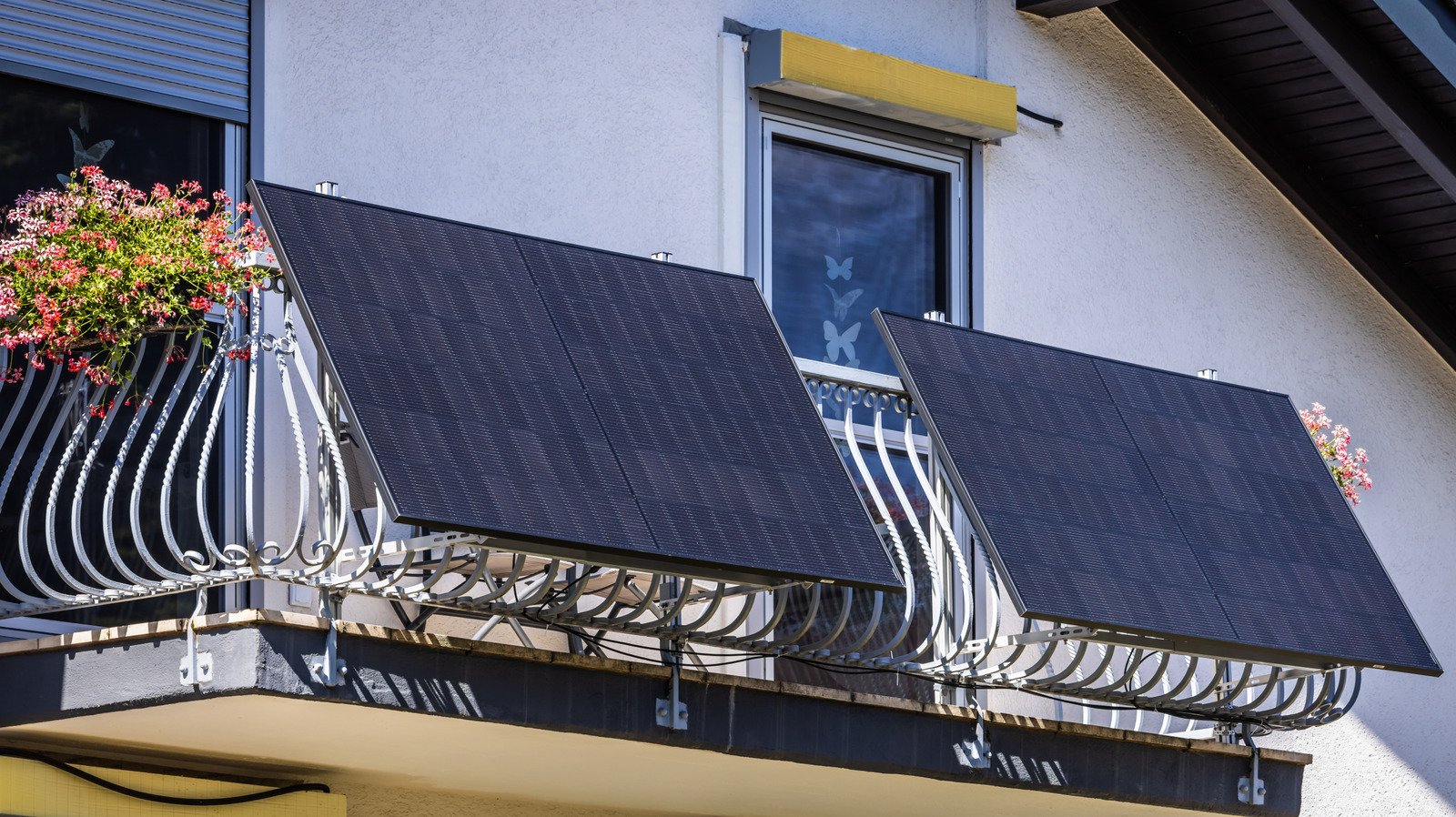
- California has approved balcony solar installations, allowing renters to install small, plug-in solar panels starting January 1, 2027.
- These kits are inexpensive, easy to install, and don’t require utility registration, making solar more accessible.
- Power is limited to 1,200W per system, with safety certifications like UL3700 required, which currently complicate installations.
- Major utilities oppose the law, citing safety concerns and potential rate increases, but innovation may simplify future plug-and-play options.
California Embraces Balcony Solar Power
California is making it easier for residents to use renewable energy. The state has approved small, plug-in solar systems called balcony solar. This change is part of the new Plug and Play Solar Act, signed into law on September 30th. Support for the bill came from both parties, showing broad agreement. Starting January 1, 2027, many Californians will be able to install simple solar panels on their balconies. This new law can help everyone, whether they own or rent their homes. It offers a quick way to save on energy bills and promote clean energy use. With this step, California joins nine other states taking big strides toward greener living.
How Balcony Solar Systems Work and Their Benefits
Balcony solar kits are small but effective. They include at least one solar panel, a microinverter, and often a battery backup. The inverter helps turn the direct current (DC) from the panel into usable 120V AC power for home appliances. The battery backup allows people to store energy and use it during the night. These kits are affordable because they can be installed by almost anyone and plugged into a regular wall socket. There is no need to register with utilities, making the process simple and free. Many people will find this technology convenient, especially renters who face restrictions with traditional solar panels. However, the system is limited to 1,200 watts—enough for a refrigerator or small appliances but not for whole-house needs. As technology advances, more innovative products are expected to arrive, making balcony solar even more user-friendly in the future.
Challenges and Future Possibilities
Despite the positive outlook, some challenges remain. Current rules require products to meet safety standards, including UL3700 certification. Only a few companies have products approved so far, but more are expected soon. These safety standards help prevent accidents, such as electric shocks or system overloads. Yet, they also mean some installations may require professional help, which could limit DIY installation options. Utility companies have expressed concerns, citing safety risks and potential increases in electricity prices. They worry that more small solar installations might increase their costs, which could be passed on to customers. Still, the future of balcony solar looks bright. New products are on their way that could make these systems easier to install and more affordable. As laws and technology evolve, more people will enjoy the benefits of clean, affordable solar power right from their balconies.
Discover More Technology Insights
Stay informed on the revolutionary breakthroughs in Quantum Computing research.
Access comprehensive resources on technology by visiting Wikipedia.
CellphonesV1
