

Fast Facts
- Francis Halzen won the Nobel Prize for neutrino research and IceCube discovery.
- His work revealed high-energy astrophysical neutrinos deep in the universe.
- IceCube Observatory at the South Pole detects elusive neutrinos from cosmic sources.
- The prize highlights advances in astrophysics and cosmic particle understanding.
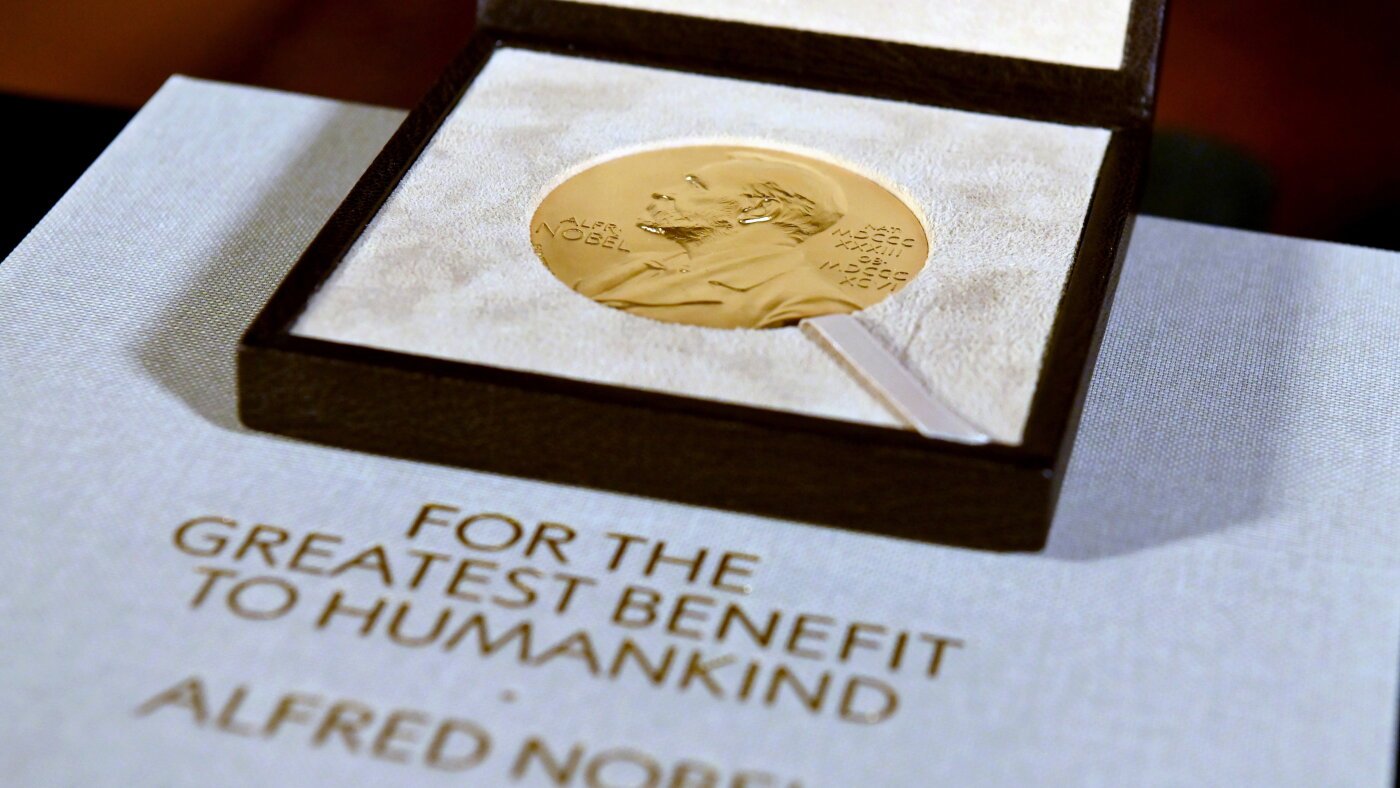
Francis Halzen Awarded Nobel Prize for High-Energy Neutrino Research
The Nobel Prize in Physics has been awarded to scientist Francis Halzen for his groundbreaking work on high-energy neutrinos. Halzen, an 82-year-old scientist born in Belgium, leads the team behind the IceCube Neutrino Observatory in Antarctica. His efforts have helped scientists detect and study these mysterious particles from space. The Royal Swedish Academy of Sciences announced the prize in Stockholm, praising Halzen’s leadership and vision.
Halzen’s discovery involves capturing high-energy neutrinos originating from outer space. Neutrinos are tiny, nearly massless particles that pass through matter almost undetected. Billions of neutrinos stream through us every second. They are created by stars, supernovae, and other cosmic events. Because neutrinos are so difficult to detect, Halzen and his team developed special instruments to observe their interactions.
The IceCube Neutrino Observatory detects neutrinos when they collide with molecules in Antarctic ice. These collisions produce flashes of light that sensors can measure. Halzen researched these interactions since the 1980s, aiming to unlock secrets about the universe. His work has opened new doors for astronomy, allowing scientists to study the cosmos in a different way compared to traditional telescopes.
The award recognizes Halzen’s dedication and the international effort that built the IceCube project. The observatory’s success has provided new insights into cosmic phenomena and the universe’s evolution. The prize money totals 12 million Swedish kronor, about $1.2 million, shared among the laureates or awarded to the organization.
Implications and Broader Significance of the Discovery
Halzen’s research marks a major milestone in physics and astronomy. Detecting high-energy neutrinos offers a new perspective on the universe. Unlike light or other signals, neutrinos can travel vast distances without distortion or absorption. This allows scientists to gather information from unreachable or obscured cosmic sources.
The work demonstrates how advanced technology can unlock natural mysteries. The IceCube observatory’s design required innovative engineering and international collaboration. It shows that perseverance and scientific vision can create tools to answer profound questions about the universe’s origins and future.
While the discovery has high scientific value, it also stimulates further technological development. Building more sensitive detectors and refining data analysis methods could expand our understanding of cosmic events. It highlights the importance of investing in fundamental science, even when immediate practical uses are not obvious.
As Halzen receives recognition, his work exemplifies how curiosity-driven research can lead to major scientific breakthroughs. The ability to observe the universe through neutrinos adds a vital new dimension to astronomy. This achievement continues to inspire collaboration and innovation within the scientific community.
Discover More Technology Insights
Dive deeper into the world of Cryptocurrency and its impact on global finance.
Explore past and present digital transformations on the Internet Archive.
Space
