

Fast Facts
- A visual rebirth: The remake gives Hyrule gorgeous, nostalgic new graphics while preserving the original’s distinctive atmosphere.
- The classic remains intact: Its story and core gameplay are unchanged, keeping the influential combat and puzzles accessible to new players.
- Smart quality-of-life upgrades: An adjustable camera, quick-item menu, quest tracking, sprinting, and a quieter Navi improve the experience.
- A timeless adventure: The review calls the Switch 2 version a faithful, beautifully updated masterpiece for longtime fans and newcomers alike.
The Legend of Zelda: Ocarina of Time Review: A Masterpiece Reborn
Hyrule Returns With a New Look
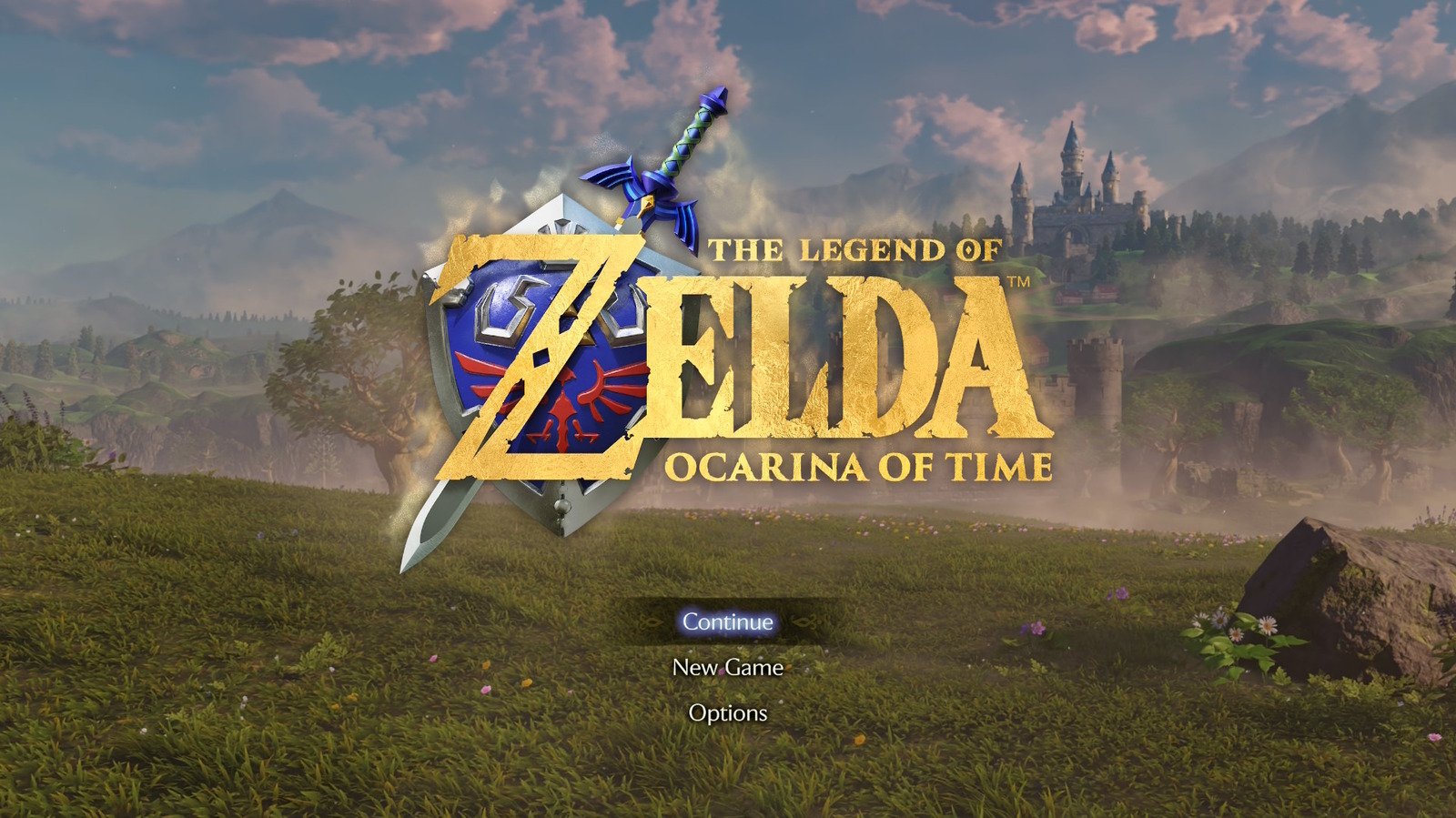
A moonlit ride across Hyrule sets the mood. Link crosses a grassy ridge on horseback as a gentle piano melody gives way to a familiar flute. Then the title appears, and nearly three decades of gaming history come rushing back.
For longtime fans, the opening feels like a reunion. For newcomers, it signals the start of a landmark adventure. First released in 1998, The Legend of Zelda: Ocarina of Time helped move the series from 2D into 3D. Its design also shaped how many later games handled exploration, combat and puzzles.
This 2026 Switch 2 edition refreshes the experience without trying to replace it. Nintendo has rebuilt Hyrule with high-resolution models and a distinctive visual style. The result does more than sharpen old graphics. It gives the world a handmade, almost storybook quality, with an edge that recalls practical movie effects and dark fantasy.
Some details may look unusual up close. Young Link’s eyes seem especially large, and many characters have exaggerated noses. The water can also give characters and creatures a slick, greenish cast. Yet these choices work better as part of the whole. The game feels less like a polished replica of the past and more like a crafted fantasy brought to life.
The visual upgrades also strengthen the atmosphere. New battle effects send particles flying when Link strikes an enemy. Dungeon fog hangs close to the ground. Link’s upgraded spin attack kicks up a forceful swirl. These touches make familiar places feel newly vivid. The Forest Temple grows eerier, while Death Mountain seems hotter and more dangerous.
That change matters, even when the map and story remain familiar. Better graphics do not merely make Hyrule prettier. They help each place communicate a distinct mood.
Familiar Play, With Useful Modern Touches
Nintendo leaves the story and core gameplay largely intact. That restraint may disappoint players hoping for a dramatic remake. Still, it suits a game that helped establish the rules of 3D action adventures.
Ocarina’s combat remains direct. Its puzzles favor clear clues over elaborate systems. Some encounters now feel simple beside modern role-playing games. However, that simplicity also makes the adventure easy to approach. Younger players can learn its rhythms without wrestling with layers of menus or complicated combat rules.
The game’s influence still shows. Link locks onto enemies, moves through a three-dimensional world and uses tools to solve problems. Those ideas helped shape a generation of games. Playing Ocarina today can feel like seeing the roots of mechanics that later titles would expand in different directions.
At the same time, Nintendo adds practical improvements. Players can adjust the camera, which helps during crowded fights. A redesigned quick-item menu makes it easier to reach useful gear. The new Threads of Time system helps players track quests and objectives, especially if they step away and return later.
Link can sprint, too. Players hold the A button after a roll to pick up speed. Yet old habits may prove hard to break. Fans who grew up tumbling across Hyrule may keep rolling, even when a faster option waits nearby.
Other changes quietly improve the experience. Balance adjustments limit early rupee farming, while terrain fixes close off certain exploits and shortcuts. Navi, Link’s fairy companion, also speaks less often. That should please players who remember her frequent reminders to pay attention. Still, some fans may miss the interruption—or the joke.
These updates add comfort without overwhelming the original design. They make the game more convenient, but they do not turn it into a different adventure.
A Classic That Still Welcomes New Players
The hardest part of revisiting Ocarina of Time may be separating the game from personal memories. For many players, its music, characters and first journey across Hyrule carry the weight of childhood. That feeling can make it difficult to judge the new edition on its own terms.
Even so, this version earns its place. It preserves the heart of the original while giving the world a richer look and a few welcome conveniences. The new visuals deepen the mood. The camera and menus reduce friction. Meanwhile, the familiar story and straightforward play keep the adventure accessible.
That accessibility gives the game lasting value. Ocarina does not demand that newcomers know its history. It simply invites them to explore, meet new characters and follow Link’s path. Its lessons arrive through play, not lengthy explanations. And its quieter moments still have room to breathe.
The game does show its age in places. Some combat lacks the complexity modern players expect, and its visual quirks will not appeal to everyone. Yet those limits do not erase its charm. Instead, they reveal a clear design that still knows what matters: a memorable world, a strong sense of discovery and an adventure that rewards attention.
For returning fans, this edition offers a fresh way to see a beloved classic. For new players, it provides an inviting entry into one of gaming’s most influential adventures. Ocarina of Time feels reborn, but it never loses sight of what made it special.
Expand Your Tech Knowledge
Stay informed on the revolutionary breakthroughs in Quantum Computing research.
Discover archived knowledge and digital history on the Internet Archive.
CellphonesV1
