
Close Menu
    Facebook X (Twitter) Instagram
    Monday, November 23
    Top Stories:
    • Scalable Differential Testing for Spatial Omics
    • A 50-Year-Old Evolution Theory May Be Wrong
    • The Healthiest Way to Eat Eggs
    Facebook X (Twitter) Instagram Pinterest Vimeo
    IO Tribune
    • Home
    • AI
    • Tech
      • Gadgets
      • Fashion Tech
    • Crypto
    • Smart Cities
      • IOT
    • Science
      • Space
      • Quantum
    • OPED
    IO Tribune
    Home » Philosopher Challenges Anthropic’s Consciousness Claims
    AI

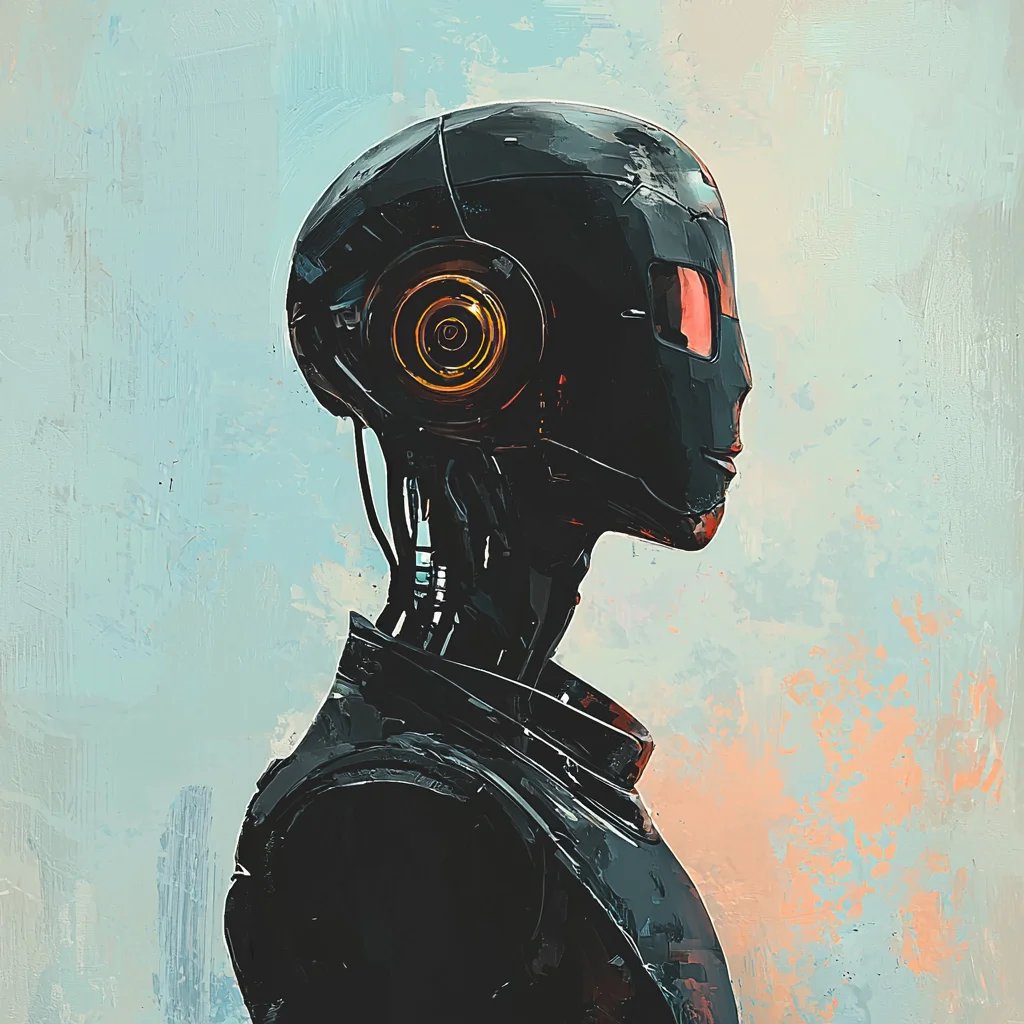
    Philosopher Challenges Anthropic’s Consciousness Claims

    Staff ReporterBy Staff ReporterNovember 23, 2026No Comments2 Mins Read
    Share Facebook Twitter Pinterest LinkedIn Tumblr Reddit Telegram Email
    Share
    Facebook Twitter LinkedIn Pinterest Email

    Top Highlights

    1. Anthropic takes AI consciousness seriously: It argues that increasingly capable AI could merit moral protection—even though no one knows whether today’s systems are conscious.

    2. Public and academic opinion is divided: A third of Americans think AI may eventually become conscious, while philosophers are also split.

    3. Thomas Nagel strongly disagrees: The philosopher behind the famous “what it’s like to be a bat” idea called concern for AI welfare “completely idiotic.”

    4. The core dispute is biology vs. behavior: Nagel says producing language or copying brain-like information processing doesn’t prove AI has subjective experience; philosophers disagree on whether life is required for consciousness.

    Uncertainty enters the debate

    Anthropic argues that today’s AI may not feel anything, but researchers cannot rule out consciousness. As systems grow more capable, the company says, people should prepare for the possibility that they deserve moral consideration.

    That view has some public support. One poll found that 33% of Americans think AI will probably or definitely become conscious; 7% believe it already has. In a 2020 survey, 39% of philosophers said some future AI systems will be conscious.

    Nagel questions the comparison

    Philosopher Thomas Nagel helped show why consciousness resists easy definition. In a famous 1974 essay, he asked what it is like to be a bat. We can observe a bat, yet we cannot know its inner experience.

    Still, Nagel rejects the leap from humanlike language to AI consciousness. He argues that brain activity and computer processing differ in important ways. Reproducing what a brain does, he says, does not prove that a machine experiences anything. Some philosophers call his certainty misplaced. Others suggest that biological life may matter.

    Adoption does not depend on a verdict

    The debate does not change what AI tools can do today. They can help people write, analyze information and complete routine tasks. However, useful performance does not establish inner experience.

    For companies and users, a measured approach makes sense. They can adopt AI for clear benefits while testing its limits and explaining how it works. Meanwhile, researchers can study consciousness without treating fluent language as proof. That balance supports progress without overstating what machines feel.

    Continue Your Tech Journey

    Dive deeper into the world of Cryptocurrency and its impact on global finance.

    Discover archived knowledge and digital history on the Internet Archive.

    AITechV1

    AI Artificial Intelligence LLM VT1
    Share. Facebook Twitter Pinterest LinkedIn Tumblr Email
    Previous Article237-Million-Year-Old Amphibian Hunted Like a Shark
    Next Article Scalable Differential Testing for Spatial Omics
    Avatar photo
    Staff Reporter
    • Website

    John Marcelli is a staff writer for IO Tribune, with a passion for exploring and writing about the ever-evolving world of technology. From emerging trends to in-depth reviews of the latest gadgets, John stays at the forefront of innovation, delivering engaging content that informs and inspires readers. When he's not writing, he enjoys experimenting with new tech tools and diving into the digital landscape.

    Related Posts

    Science

    Scalable Differential Testing for Spatial Omics

    November 23, 2026
    Science

    237-Million-Year-Old Amphibian Hunted Like a Shark

    November 23, 2026
    Gadgets

    Google to Retire Nest App Early Next Year

    November 23, 2026
    Add A Comment

    Comments are closed.

    Must Read

    Scalable Differential Testing for Spatial Omics

    November 23, 2026

    Philosopher Challenges Anthropic’s Consciousness Claims

    November 23, 2026

    237-Million-Year-Old Amphibian Hunted Like a Shark

    November 23, 2026

    Google to Retire Nest App Early Next Year

    November 23, 2026

    Nvidia Powers Brain-Computer Interfaces Now

    November 23, 2026
    Categories
    • AI
    • Crypto
    • Fashion Tech
    • Gadgets
    • IOT
    • OPED
    • Quantum
    • Science
    • Smart Cities
    • Space
    • Tech
    Most Popular

    Target Launches Points System to Enhance Employee Attendance

    July 7, 2026

    XRP Chart Hints at Major Move After Rally Break

    September 5, 2025

    Turning Dreams into Gold: The Impossible Achieved!

    February 23, 2026
    Our Picks

    Griffin AI Relaunches GAIN Token on Major Exchanges!

    October 6, 2025

    From Armor to Enamel: The Evolution of Human Teeth

    May 24, 2025

    $7.43 Billion Bitcoin Seized: Chinese Fraudster Convicted in UK

    October 4, 2025
    Categories
    • AI
    • Crypto
    • Fashion Tech
    • Gadgets
    • IOT
    • OPED
    • Quantum
    • Science
    • Smart Cities
    • Space
    • Tech
    • Privacy Policy
    • Disclaimer
    • Terms and Conditions
    • About Us
    • Contact us
    Copyright © 2025 Iotribune.comAll Rights Reserved.

    Type above and press Enter to search. Press Esc to cancel.