

Quick Takeaways
-
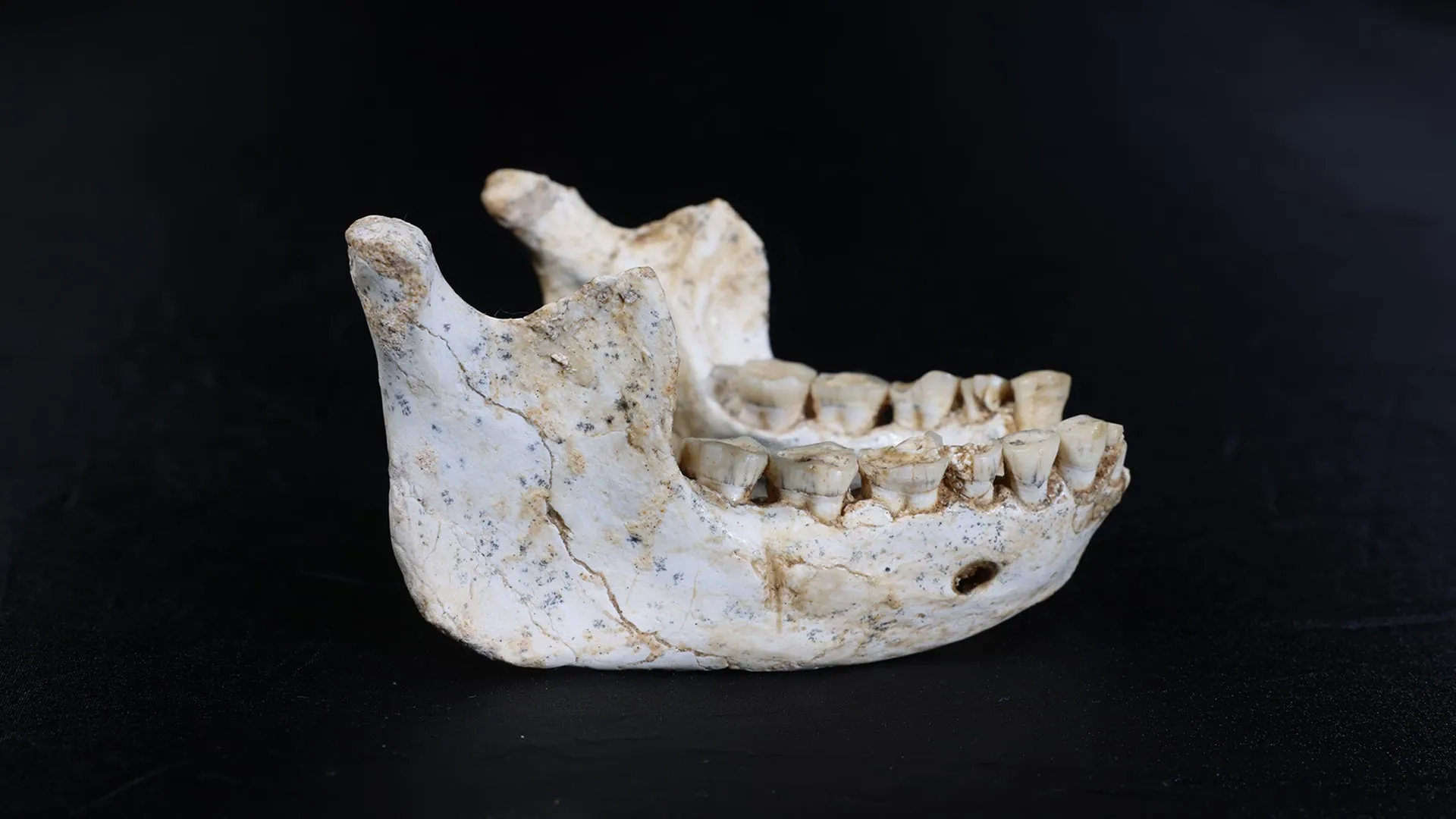
Exceptional Dating: Fossils from Thomas Quarry I, dated to approximately 773,000 years ago using precise magnetostratigraphy, provide one of the clearest snapshots of early human evolution in Africa.
-
Significant Population: These fossils suggest a previously unrecognized African population, closely related to Homo antecessor, existed near the evolutionary divergence of African and Eurasian lineages.
-
Critical Archaeological Site: The Thomas Quarry I site, part of over 30 years of Moroccan-French research, reveals an extensive and well-preserved record of early hominins and associated artifacts, highlighting Northwest Africa’s vital role in human origins.
-
Rethinking Human Evolution: Findings indicate that Northwest Africa served as an important center for early human evolution, contradicting the notion of the Sahara as a permanent barrier and suggesting significant migration connections with East and Southern Africa.
Unlocking Human Ancestry
Recent discoveries in Morocco reveal a population living 773,000 years ago. This finding offers vital insights into our shared ancestry. Scientists unearthed fossils at Thomas Quarry I, where well-preserved sediments provide a precise timeline for human evolution. As researchers analyzed these fossils, they identified a striking blend of ancient and more advanced physical features. This mix suggests a connection to early human ancestors, such as Homo antecessor, right before the split between African and Eurasian lineages. Understanding this phase in evolution enhances our knowledge of how distinct human populations emerged.
Furthermore, the geological context of Thomas Quarry I plays a crucial role. Located along the Casablanca coast, this site is a treasure trove of fossil evidence. Environmental conditions preserved these remains remarkably well, providing a snapshot of early hominin life. Over three decades of dedicated research led to these discoveries, highlighting the importance of international collaboration. Each layer of sediment provides context for the fossils, revealing insights into the climatic changes that influenced human migration. Such findings challenge previous notions of a permanent barrier across the Sahara, indicating a dynamic exchange of populations.
A New Perspective on Evolution
These ancient fossils invite us to rethink Africa’s role in human evolution. They highlight how interconnected early human groups were, even across vast geographical distances. Evidence shows that migration routes opened during climate shifts, facilitating interaction between populations in Northwest Africa and regions further south and east. This new perspective reshapes our understanding of human lineage, suggesting that early African populations laid the groundwork for modern humans.
Looking ahead, this discovery could profoundly impact anthropological studies and education. The fossils serve as a powerful reminder of our shared heritage, uniting diverse populations in our human journey. As science continues to uncover our past, exploring these connections can foster a deeper appreciation for our collective legacy. Understanding where we come from can inspire future generations to appreciate the intricate tapestry of human existence. The story of our evolution is far from complete; it’s an ongoing narrative that invites curiosity and exploration.
Stay Ahead with the Latest Tech Trends
Learn how the Internet of Things (IoT) is transforming everyday life.
Explore past and present digital transformations on the Internet Archive.
TechV1
