

Essential Insights
-
Design Drift: More Android apps, like Obsidian and Telegram, are adopting Apple’s Liquid Glass design, straying from Google’s Material 3 Expressive, creating a jarring user experience for Android users.
-
Customization Concerns: While third-party launchers can explore Liquid Glass aesthetics, the default design choices by app developers should leverage Android’s unique customization options rather than mimic iOS.
-
Mix-and-Match Issues: Telegram’s recent design reflects a hodgepodge of Liquid Glass and inconsistent proprietary elements, failing to provide a cohesive Android experience, unlike brands with a consistent design like Robinhood.
-
Material Potential Wasted: Despite Google’s promising Material 3 Expressive launch, many apps haven’t utilized its full design potential, leading to disappointment among users desiring a distinct Android UI experience.
Android Apps Divert from Native Design Language
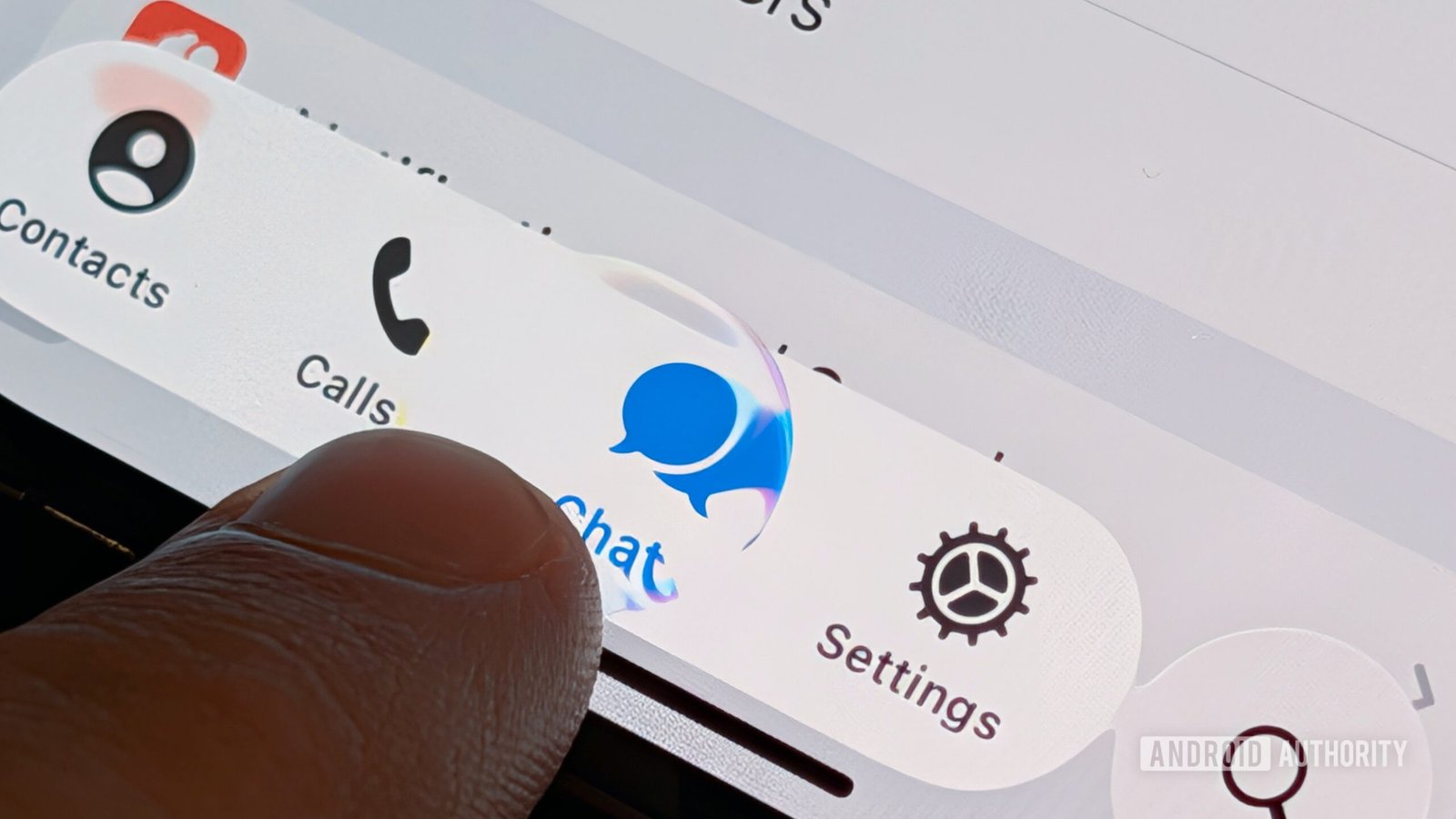
Recently, users noticed an unsettling trend in Android apps adopting Apple’s Liquid Glass design. While customization is a hallmark of Android, some developers are leaning heavily on Apple’s aesthetic instead of Google’s Material 3 Expressive.
Apps like Obsidian stand out in this design shift. Its recent update features UI elements reminiscent of iOS, including circular buttons and minimal color schemes. Though the app remains functional and responsive, the experience feels foreign to Android users. A few tweaks could enhance its usability. For instance, altering button shapes and adding color options could make the app feel more aligned with Android’s vibrant design standards.
Similarly, Telegram has introduced its own design overhaul. However, the mix of Liquid Glass with other design elements creates inconsistency. The transition from personal chats to channels reveals a jarring shift in UI styles. While the app shines with top-notch animations, its overall appearance fails to resonate with Android’s unique identity.
Moreover, brands like Robinhood exemplify the power of a consistent design language. By steering clear of both Liquid Glass and Material 3, they create a seamless experience across platforms. This uniformity strengthens brand identity while providing clarity for users.
The reliance on familiar design elements ultimately raises a question about creativity in app development. Developers often prioritize cost-efficiency, applying the same design across platforms. However, the potential of Material 3 Expressive remains untapped. It offers an opportunity for developers to innovate, infusing apps with color and identity that aligns with Android’s ecosystem.
As smart cities and urban innovation evolve, the design of our digital tools continues to impact user experience. It’s essential for developers to embrace Android’s unique characteristics. By doing so, they create not just usable apps, but also engaging environments that reflect the creativity and dynamism of urban life.
Continue Your Tech Journey
Explore the future of technology with our detailed insights on Artificial Intelligence.
Access comprehensive resources on technology by visiting Wikipedia.
GadgetsV1
