

Top Highlights
- Sideloading on Android remains, but now requires additional security steps, including verifying identity and a 24-hour wait after enabling Developer Mode.
- This 24-hour delay can be bypassed by choosing to allow unlimited sideloading thereafter, maintaining flexibility for trusted users.
- These new restrictions only apply to unverified apps; sideloading verified apps continues as before without delays.
- The new rules will roll out in August, initially in select countries, with future Android version support and broader availability still unclear.
7 Things Android Users Need to Know About the New Sideloading Rules
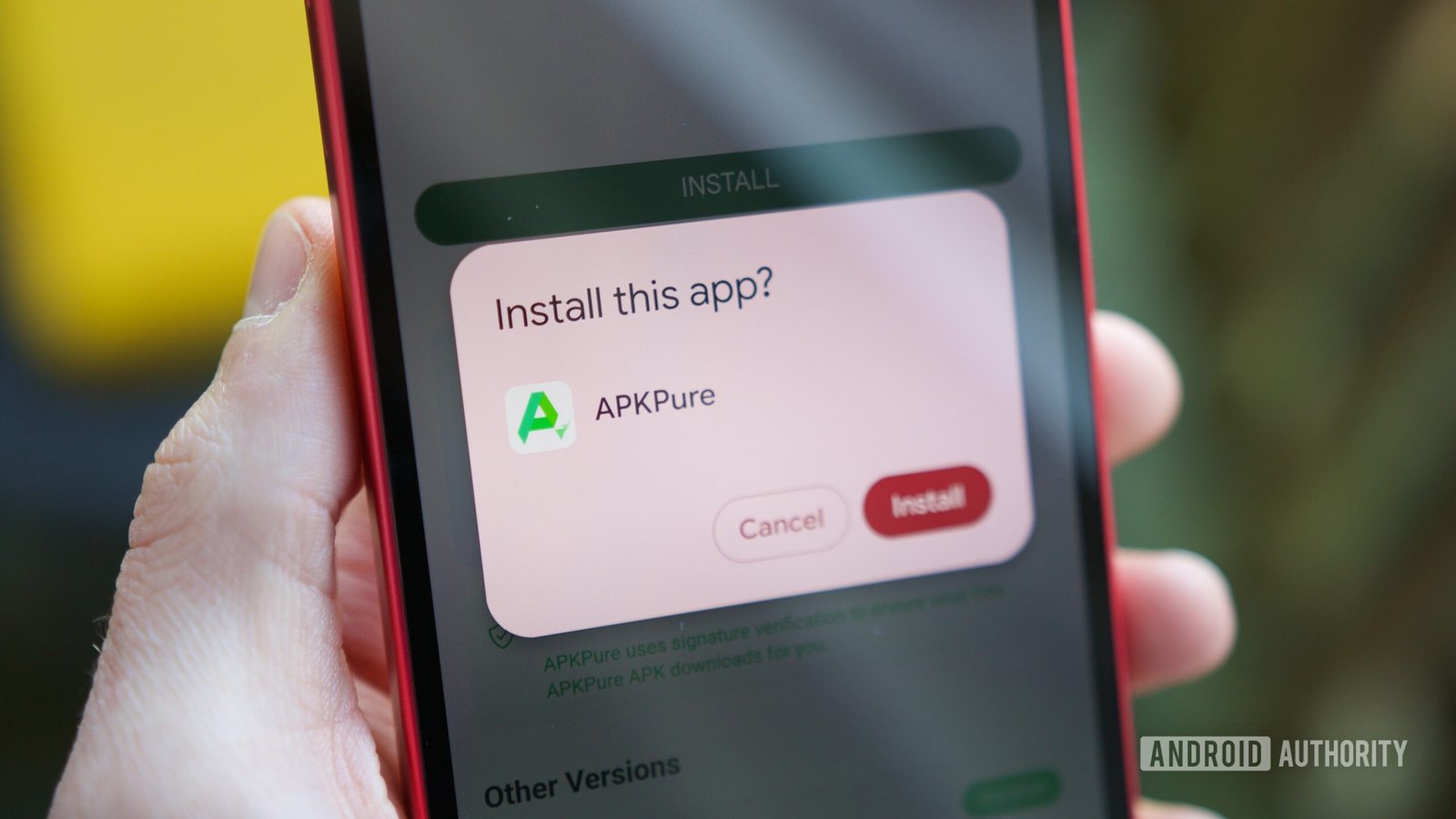
Android’s sideloading process is changing, but it still allows users to install apps from outside its Play Store. However, the new rules introduce some important updates.
First, enabling Developer Mode remains the same. Users still tap the Settings menu, then About Phone, and repeatedly tap Build Number until Developer Mode is active. This step hasn’t changed.
Next, after activating Developer Mode, a new confirmation pop-up appears. It asks users to verify they aren’t being pressured into sideloading. This extra step aims to boost security for casual users.
Following this, a restart of the device is required. Google believes this disconnects users from scams that coerce app installation. The restart is mandatory regardless of the situation.
Most significantly, there is a 24-hour wait after restarting before you can sideload apps. This new rule might seem inconvenient, but it helps prevent hurried or malicious downloads. Once the waiting period ends, users can authenticate with their fingerprint or face ID and start sideloading freely.
However, once the wait is over, users can choose to allow sideloading for just seven days or keep it enabled indefinitely. If they select indefinite permission, they won’t need to restart or wait again. This choice applies system-wide, not just for specific apps or developers.
It’s important to note these procedures only affect unverified apps. Verified apps—those approved by Google—can be sideloaded without the extra steps. Developers can pay $25 to verify their apps, increasing user confidence in their safety.
Google is also accommodating smaller projects. Apps with limited distribution—created for up to 20 testers—won’t be impacted by the new rules. This option suits hobbyists testing mini projects without heavy restrictions.
These changes will roll out starting this August. Google hasn’t specified exact dates or which Android versions will be affected, but Android 17 and later are likely included.
While the updates might seem strict, they are part of a broader push toward safer mobile experiences. Enhanced security can support smart cities and urban innovation by ensuring trusted applications power transportation, utilities, and public services. As cities become smarter, trusting the software behind these services becomes crucial for progress.
Continue Your Tech Journey
Dive deeper into the world of Cryptocurrency and its impact on global finance.
Stay inspired by the vast knowledge available on Wikipedia.
GadgetsV1
