

Fast Facts
TL;DR:
-
New Security Feature: Android 16 will introduce a feature that alerts users when their phones connect to potentially fake or insecure mobile networks created by "stingray" devices.
-
Detection Alerts: The system will notify users about unencrypted connections and when their phone’s identifiers are requested, enhancing awareness of possible surveillance.
-
Hardware Limitations: The feature will likely be available only on new devices, such as the upcoming Pixel 10, due to specific hardware requirements needed for implementation.
- User Control: Users can enable "network notifications" and "2G network protection" via a newly introduced ‘Mobile Network Security’ page, but these options will be disabled by default.
Android 16 Enhances Security with Fake Cell Tower Alerts
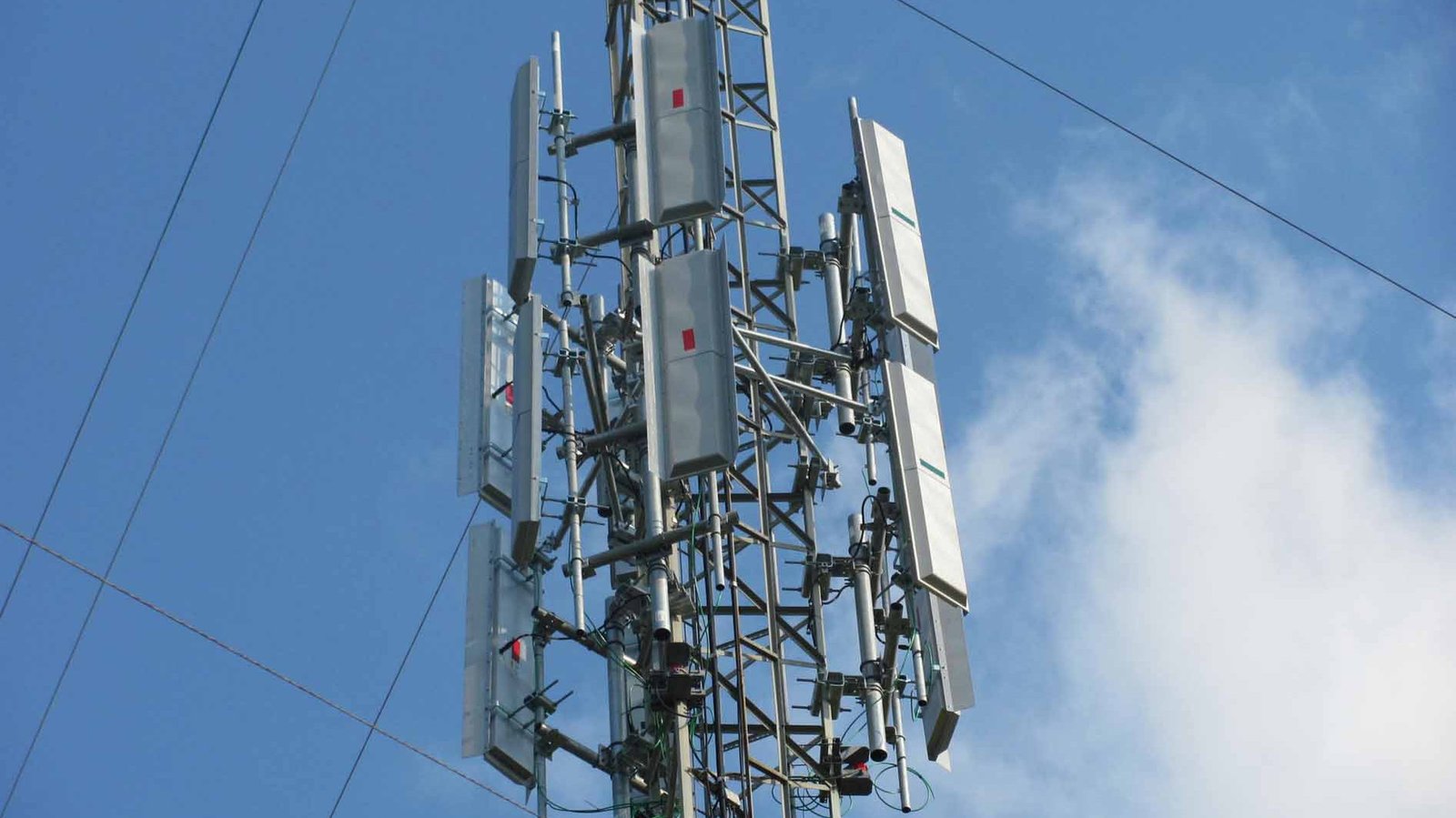
Android 16 is introducing a vital security feature designed to protect users from potential threats posed by fake cell towers. These deceptive devices, known as "stingrays," impersonate legitimate cell towers to intercept sensitive information.
With this update, Android will alert users if their device connects to an unencrypted network or if a network requests access to unique identifiers. This capability will help users detect possible surveillance attempts.
However, users will find this feature only on new devices, such as the upcoming Pixel 10, due to specific hardware requirements. For existing models, including older Pixels, these alerts will not be available.
While many users employ strategies such as strong passwords and careful app selection for security, attacks using stingrays can be elusive and difficult to spot. Furthermore, while these devices are often utilized by law enforcement, their availability raises concerns about misuse against everyday users.
Android has progressively enhanced its security measures in response to these threats. Previous updates allowed users to disable 2G connectivity, and now Android 16 builds on this foundation with notifications about network security.
The "Mobile Network Security" settings page located in the Safety Center will house these new features. Users can enable network notifications to receive updates on their device’s connection status. Alerts will appear if a device switches between encrypted and unencrypted networks or if a network attempts to access device identifiers.
It’s crucial to note that not all requests for device identifiers indicate malicious intent. Legitimate networks may need this information for standard operations, such as reconnecting post-airplane mode. Thus, the alerts serve as warnings, empowering users with information while allowing them to make informed decisions.
As smart cities and urban innovation continue to evolve, such advancements highlight the importance of user security. Protecting personal information in an interconnected world benefits everyone, enhancing trust in technology.
The rollout of these features in Android 16 signals a significant step forward in mobile security. Although current devices may not receive this protection, the future holds promise for safer digital environments.
Continue Your Tech Journey
Learn how the Internet of Things (IoT) is transforming everyday life.
Stay inspired by the vast knowledge available on Wikipedia.
GadgetsV1
