

Summary Points
-
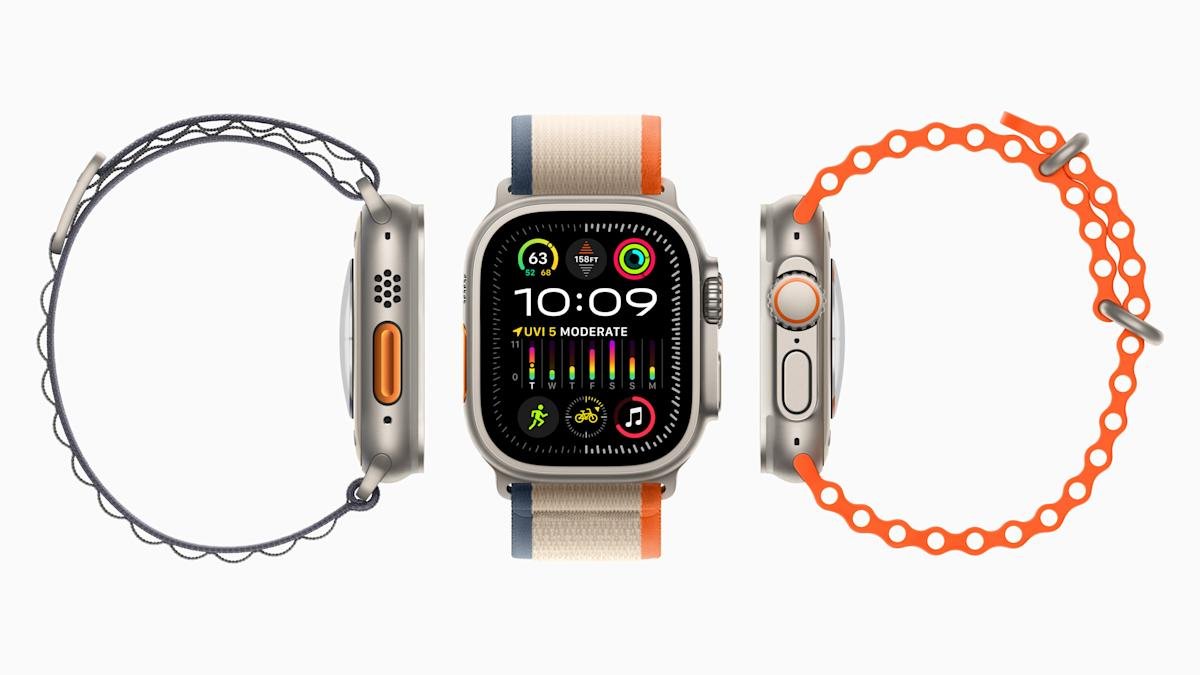
A California jury ruled in favor of Masimo, stating Apple infringed on its patent related to blood-oxygen tracking technology used in Apple Watch apps.
-
Apple plans to appeal the verdict, arguing the patent in question expired in 2022 and pertains to outdated technology.
-
The legal battle is ongoing, with Apple previously halting sales of its Series 9 and Ultra 2 smartwatches amid these patent disputes.
-
Masimo has challenged a US Customs decision allowing the sale of updated Apple Watches, claiming it overstepped its authority by not consulting them.
The Legal Landscape of Smartwatch Technology
A California jury recently ruled that a major tech company must pay $634 million for infringing on patent rights related to smartwatch technology. This decision highlights the ongoing legal complexities in the tech world, particularly in medical applications. The case centers around a patent owned by a medical technology firm that focuses on patient monitoring devices. The jury determined that the smartwatch in question used technology designed to track blood-oxygen levels, features that appear in the Apple Watch’s Workout and Heart Rate apps.
Apple contends that the patent is outdated and expired in 2022. The company plans to appeal the ruling, arguing that the technology involved originates from decades ago. Despite this, the verdict adds pressure on Apple to reevaluate its practices involving patents and innovations. Additionally, this case is one of many lawsuits between these two companies, showcasing a fierce rivalry that extends well beyond a single ruling.
The Implications for Future Innovations
The outcome of this legal battle will likely impact the smartwatch market significantly. Apple’s decision to redesign its blood-oxygen monitoring feature illustrates the company’s attempt to navigate patent law while maintaining its product line. The redesign received approval from regulatory agencies, yet further lawsuits loom on the horizon. As legal disputes continue, they raise vital questions about innovation, consumer choice, and patent protections.
On a broader scale, this situation emphasizes the importance of fair competition in technology. As medical tech advances, companies must walk a fine line between innovation and respecting intellectual property. This case serves as a potent reminder that while technology strives to enhance human lives, the legal frameworks governing it must adapt and evolve. The balance between encouraging innovation and protecting inventors is more crucial than ever, particularly as health-related technologies increasingly integrate into daily life.
Stay Ahead with the Latest Tech Trends
Dive deeper into the world of Cryptocurrency and its impact on global finance.
Access comprehensive resources on technology by visiting Wikipedia.
TechV1
