

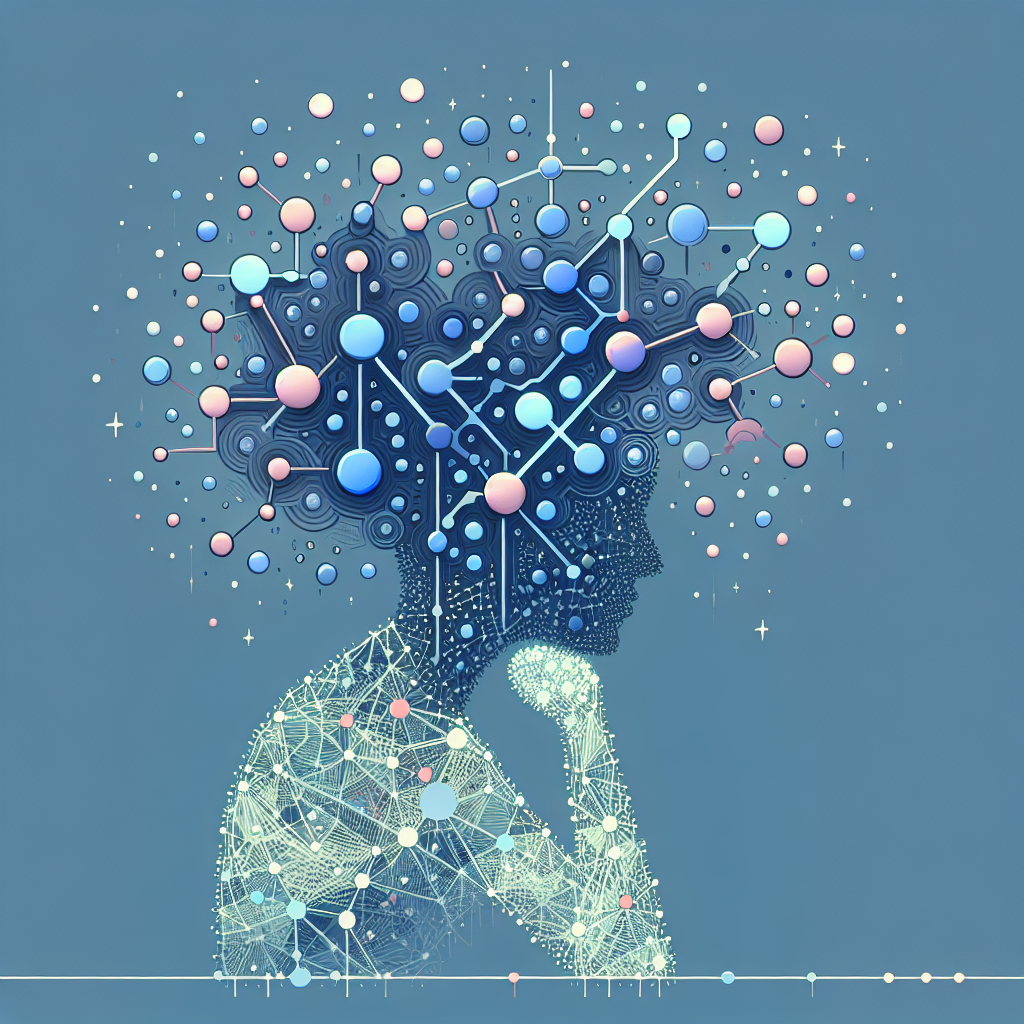
The Age of Thinking Machines
Imagine a world where your car drives itself, your coffee brews just the way you like it, and your favorite movies pop up on your screen before you even search for them. This isn’t science fiction—this is the real impact of artificial intelligence (AI) on our daily lives. From voice assistants like Siri to Netflix recommendations, AI shapes our experiences, making tasks easier and sometimes even enjoyable. Yet, as these technologies become commonplace, we must look deeper into their implications.
AI goes beyond simple algorithms designed to perform specific tasks. It learns from data, adapting and improving as it processes information. This evolution raises important questions: Can machines truly think? What does it mean to be conscious? These aren’t just philosophical puzzles; they touch on the very fabric of our identity and ethical responsibilities.
The Transformative Power of AI
AI changes not just how we work, but how we think. The line between human intelligence and machine intelligence blurs. Humans rely on intuition, creativity, and emotional understanding. Can machines ever replicate these qualities? Taking a step back, we notice that human and machine intelligence differ fundamentally. Humans think, feel, and make choices based on personal experiences. Machines, however, follow data-driven patterns. As AI systems gain more autonomy, they create new challenges for accountability.
What happens when an autonomous vehicle makes a mistake that leads to an accident? Who is responsible—the manufacturer, the coder, or the machine itself? As AI gains decision-making power, our understanding of moral responsibility shifts. This calls for new frameworks to navigate the ethical landscape. We need to engage in conversations about AI’s potential to improve or endanger lives.
Consider the workplace. AI can handle repetitive tasks, increase productivity, and even generate creative ideas through processes like machine learning. This shift prompts us to reconsider our roles. Will AI replace us, or will it enhance our jobs and allow us to focus on more complex, human-centric tasks? As we stand on the brink of a new era, we must decide how to integrate these tools into our lives while preserving our humanity.
AI also challenges our understanding of creativity. Can machines create art or music that resonates with human emotions? Algorithms already generate music playlists based on our tastes. Yet, the human touch remains irreplaceable. The nuances of emotion, inspiration, and thought provoke contemplation on what creativity truly entails.
As we march forward, we must reflect on two critical questions: What responsibilities do we have when creating conscious machines? And how do we ensure that their development aligns with our ethical values? The future depends on us remaining actively engaged with technology, ensuring we shape its evolution.
AI’s rise isn’t just an advancement in technology; it’s a turning point in history. By engaging thoughtfully with these systems, we can direct their development positively. Let’s approach this journey with curiosity and caution. What legacy will we leave for generations to come? Would we rather have machines as our co-creators, or will they simply replace us? This is the essence of our current technological challenge.
Our challenge lies in balancing innovation with ethics, pondering how thinking machines can fit into the tapestry of human existence. The pathways we choose today will echo in the future. Let’s tread wisely and engage with these thought-provoking technologies in a spirit of collaboration and understanding.
Expand Your Tech Knowledge
Stay informed on the revolutionary breakthroughs in Quantum Computing research.
Access comprehensive resources on technology by visiting Wikipedia.
OPED_V1
