

Essential Insights
-
Methane’s Impact: Methane is the second-largest contributor to global warming, with significant emissions originating from energy sector point sources like flare stacks and coal mines.
-
Satellite Innovations: The GHGSat satellite constellation provides a high-resolution, global overview of methane emissions, identifying over 3,100 individual oil, gas, and coal facilities responsible for approximately 9 million tons of annual emissions.
-
Enhanced Accuracy: This method outperforms traditional measurement techniques by combining detailed spatial data with global coverage, improving the understanding of methane emissions at the facility level.
-
Mitigation Focus: To effectively reduce methane emissions, detailed facility-level data is crucial, prompting GHGSat to expand its satellite network for more frequent monitoring and emission detection.
Private Satellites Pinpoint Methane Emissions from Global Facilities
New satellite technology is revolutionizing our understanding of methane emissions. Flexible and precise, these satellites can detect emissions from oil, gas, and coal facilities worldwide. As methane is a significant contributor to climate change, knowing its sources helps in addressing the problem.
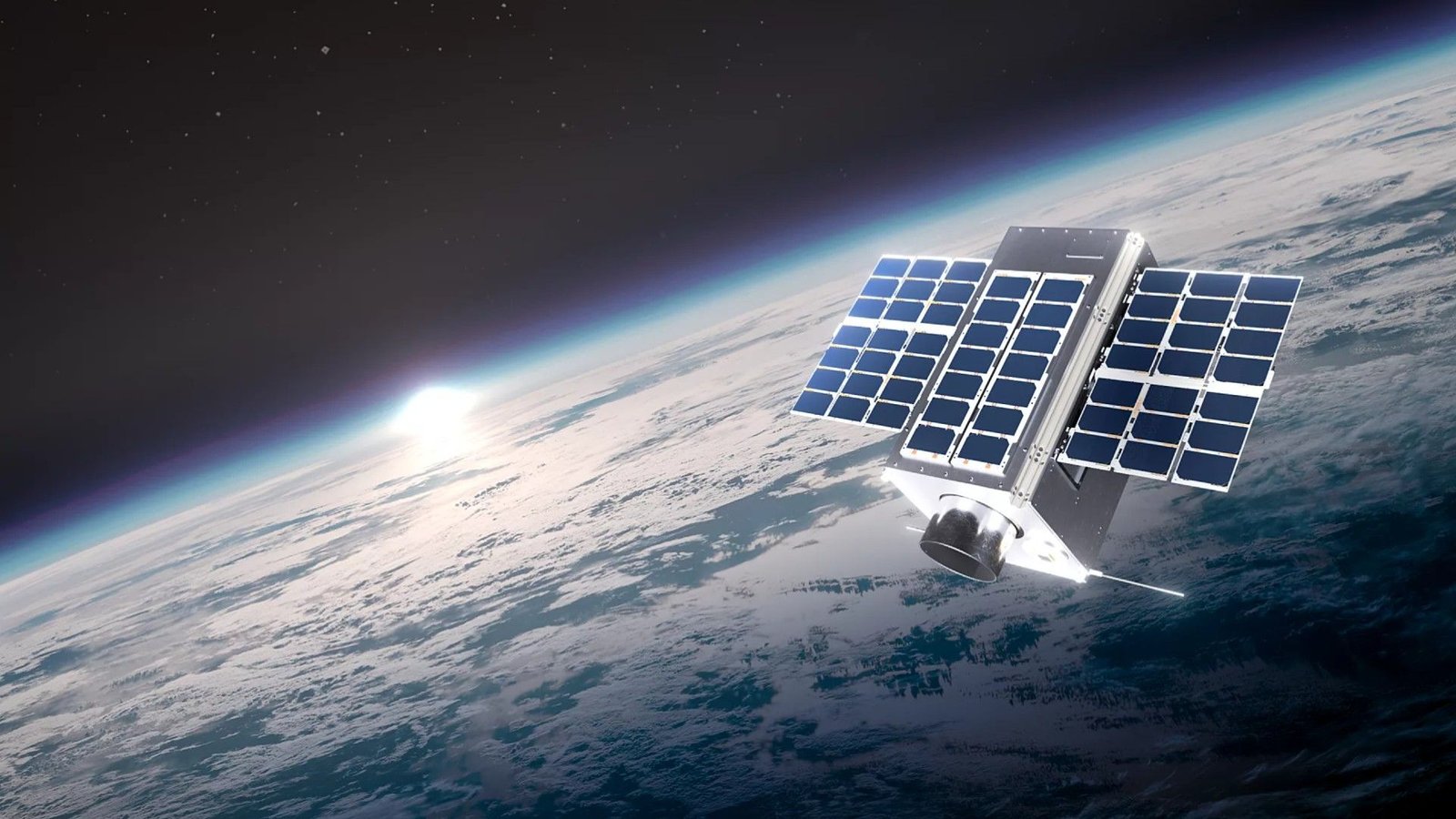
Recent data from the GHGSat satellite constellation reveals a global view of methane emissions at the facility level. This satellite system allows researchers to identify thousands of specific sites releasing methane into the atmosphere. For example, the analysis showed 3,114 facilities emitted approximately 9 million tons of methane annually.
Interestingly, certain countries rank high in emissions. Turkmenistan, the United States, Russia, Mexico, and Kazakhstan lead in oil and gas emissions. Meanwhile, China and Russia are the largest coal emitters. This detailed observation offers insights that broad estimates often miss.
The approach combines satellite data with traditional methods. Previous methods relied on bottom-up inventories, which might overlook sudden leaks, and top-down atmospheric measurements, which lacked specificity. However, GHGSat fills this gap with high-resolution data. It monitors emissions from facilities directly, enhancing accuracy.
The satellite data also assesses how frequently facilities emit methane. For instance, coal sites emit detectable methane plumes about 50% of the time. In contrast, oil and gas facilities show variability, with emissions occurring roughly 16% of the time. This inconsistency can make it challenging to monitor emissions using traditional means.
The need for accurate, actionable data is clear. To improve monitoring, GHGSat is expanding its satellite constellation. Recent launches increased their fleet to 14 satellites. More satellites translate to better coverage and frequency. This growth enhances our ability to detect and respond to methane emissions effectively.
Understanding these emissions plays a critical role in climate mitigation efforts. By targeting specific facilities, scientists and policymakers can develop more effective strategies. The advancements in technology enable the global community to take a proactive stance against climate change. As we enhance our ability to track harmful emissions, we move closer to a sustainable future.
Stay Ahead with the Latest Tech Trends
Stay informed on the revolutionary breakthroughs in Quantum Computing research.
Explore past and present digital transformations on the Internet Archive.
SciV1
