
Close Menu
    Facebook X (Twitter) Instagram
    Friday, February 6
    Top Stories:
    • Zuckerberg Rethinks Meta’s Approach to Social Issues Amid Controversy
    • 2026’s Hottest Tech Gifts & Gadgets You Need!
    • Data Breach Alert: What You Need to Know
    Facebook X (Twitter) Instagram Pinterest Vimeo
    IO Tribune
    • Home
    • AI
    • Tech
      • Gadgets
      • Fashion Tech
    • Crypto
    • Smart Cities
      • IOT
    • Science
      • Space
      • Quantum
    • OPED
    IO Tribune
    Home » “Celestial Confections: Hubble’s Cotton Candy Clouds”
    Space

    “Celestial Confections: Hubble’s Cotton Candy Clouds”

    Staff ReporterBy Staff ReporterMay 19, 2025No Comments2 Mins Read
    Share Facebook Twitter Pinterest LinkedIn Tumblr Reddit Telegram Email
    Share
    Facebook Twitter LinkedIn Pinterest Email

    Top Highlights

    1. The Large Magellanic Cloud, a dwarf galaxy 160,000 light-years away, is the largest satellite galaxy of the Milky Way.

    2. Hubble’s Wide Field Camera 3 (WFC3) uses multiple filters to capture observations across various wavelengths, including ultraviolet and infrared light.

    3. The vibrant colors in Hubble’s images are assigned based on the light wavelengths captured by each filter, combining both visible and invisible spectrum data.

    4. While the color scheme represents reality, its aesthetic and scientific impact can vary based on how data is processed and presented.

    Hubble Captures Cotton Candy Clouds

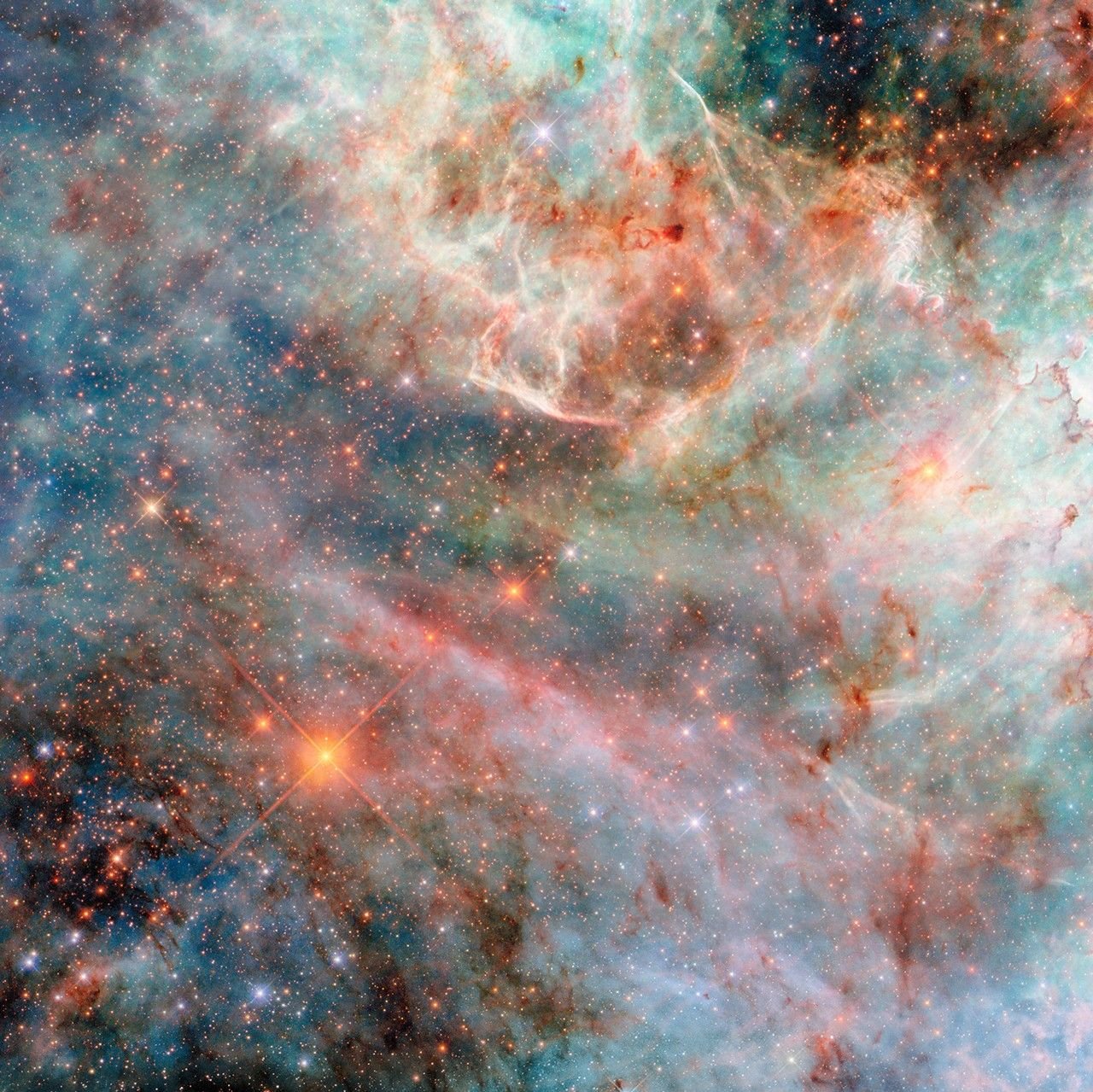
    The Hubble Space Telescope recently unveiled a stunning image of the Large Magellanic Cloud, a dwarf galaxy located 160,000 light-years away. This galaxy is the largest of the Milky Way’s satellite galaxies and resides in the constellations Dorado and Mensa.

    Using its Wide Field Camera 3, Hubble captured wispy gas clouds that resemble brightly colored cotton candy. The camera employs five different filters, allowing Hubble to observe not just visible light but also ultraviolet and infrared wavelengths. This capability reveals a vibrant cosmic scene that is both breathtaking and scientifically significant.

    Many wonder about the colors in Hubble’s images. These colors aren’t “real” in the traditional sense. Instead, image processing specialists assign colors based on which wavelengths the filters allow through. For example, shorter wavelengths like ultraviolet appear blue or purple, while longer wavelengths like infrared take on red hues. This method preserves scientific accuracy while enhancing visual appeal.

    The implications of such observations extend beyond mere aesthetics. They contribute to our understanding of stellar formation and the complex structure of galaxies. Moreover, advancements in camera technology and image processing techniques used by Hubble push the boundaries of what we can explore in the universe.

    As technology continues to evolve, these captivating images inspire wonder and curiosity. They remind us that the universe holds countless mysteries waiting to be uncovered, benefiting both our scientific knowledge and our appreciation of the cosmos.

    Expand Your Tech Knowledge

    Explore the future of technology with our detailed insights on Artificial Intelligence.

    Discover archived knowledge and digital history on the Internet Archive.

    SciV1

    Astrophysics Astrophysics Division Cosmos Emission Nebulae Goddard Space Flight Center Hubble Space Telescope NASA Nebulae Space The Universe VT1
    Share. Facebook Twitter Pinterest LinkedIn Tumblr Email
    Previous ArticleArthur Hayes: Ethereum Set to Outshine Solana This Bull Market
    Next Article Deel Demands Transparency on Spy Payments
    Avatar photo
    Staff Reporter
    • Website

    John Marcelli is a staff writer for IO Tribune, with a passion for exploring and writing about the ever-evolving world of technology. From emerging trends to in-depth reviews of the latest gadgets, John stays at the forefront of innovation, delivering engaging content that informs and inspires readers. When he's not writing, he enjoys experimenting with new tech tools and diving into the digital landscape.

    Related Posts

    AI

    Supercharging AI: Unlocking Stellar Results with Language Wizards at MIT!

    February 5, 2026
    Gadgets

    Are VPNs Legal?

    February 5, 2026
    Space

    Unlocking Cosmic Mysteries: The Dance of Merging Neutron Stars

    February 5, 2026
    Add A Comment

    Comments are closed.

    Must Read

    Supercharging AI: Unlocking Stellar Results with Language Wizards at MIT!

    February 5, 2026

    Are VPNs Legal?

    February 5, 2026

    Amazon Germany Hit with $70M Fine for Price Manipulation

    February 5, 2026

    Unlocking Cosmic Mysteries: The Dance of Merging Neutron Stars

    February 5, 2026

    QT Fears: Overblown Crypto Sell-Off?

    February 5, 2026
    Categories
    • AI
    • Crypto
    • Fashion Tech
    • Gadgets
    • IOT
    • OPED
    • Quantum
    • Science
    • Smart Cities
    • Space
    • Tech
    • Technology
    Most Popular

    Everstake Simplifies Web3 for Developers with New Staking Integration

    February 26, 2025

    Max Keiser Forecasts $800K BTC Amid Bond Apocalypse; Markets Set Sights on $93K

    June 22, 2025

    What’s Driving XRP’s Price Surge Today?

    January 4, 2026
    Our Picks

    Unlocking Galactic Secrets: The Goldstone DSS-15 Antenna’s Role in Exploring the Milky Way

    January 31, 2026

    Strategy Invests $450M to Acquire 4,048 BTC

    September 2, 2025

    City Crippled by Smart City Work Negligence

    September 7, 2025
    Categories
    • AI
    • Crypto
    • Fashion Tech
    • Gadgets
    • IOT
    • OPED
    • Quantum
    • Science
    • Smart Cities
    • Space
    • Tech
    • Technology
    • Privacy Policy
    • Disclaimer
    • Terms and Conditions
    • About Us
    • Contact us
    Copyright © 2025 Iotribune.comAll Rights Reserved.

    Type above and press Enter to search. Press Esc to cancel.