

Top Highlights
-
Historic Discovery: Paleontologist Paul Sereno uncovered details about Edmontosaurus annectens, a 66-million-year-old duck-billed dinosaur, by tracing historical excavation sites and speaking with locals about lost geography.
-
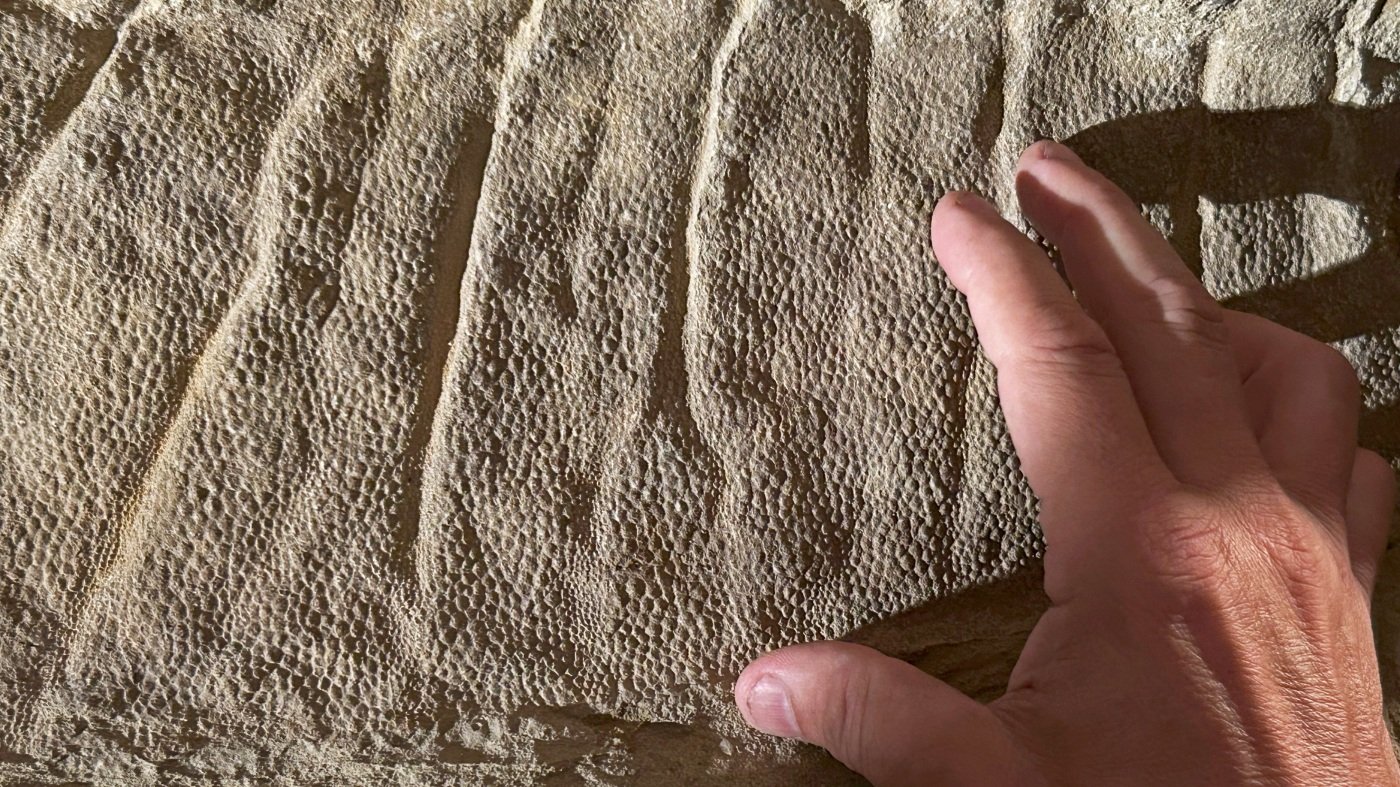
Unique Insights: Sereno’s research reveals exquisite details of the dinosaur’s anatomy, including hooves and a spiky tail, preserved in delicate clay templates that capture fundamental features and skin texture.
-
Significant Specimens: The study features two mummies, Ed Jr. (the only discovered juvenile) and Ed Sr., providing a comprehensive understanding of this species and serving as essential references for future paleontological studies.
-
Ongoing Exploration: Sereno emphasizes the endless potential for new discoveries in paleontology, encouraging future generations to pursue research as many mysteries about dinosaurs remain unsolved.
Dinosaur Mummy Mystery Solved by Rancher Insight
A recent study has unveiled details about the duck-billed dinosaur Edmontosaurus annectens, shedding new light on this ancient species. Researchers, led by a paleontologist from the University of Chicago, combined historical sleuthing with collaboration from local ranchers.
The journey began when the team searched for a specific site in eastern Wyoming. Surprisingly, they discovered that a rancher’s great-grandmother had once served as the postmaster of a vanished town called Warren. This connection helped pinpoint the location of an important dinosaur mummy found in 1908.
In the area known as “the mummy zone,” fossils have preserved extraordinary details about the dinosaurs. The team found that the Edmontosaurus specimens, including both juvenile and adult, contained fragile clay templates that captured the animals’ skins and features. “A mummy is actually a mask of the body,” noted the lead researcher, explaining how fine layers of sediment played a crucial role in preservation.
The study yielded impressive findings. For the first time, experts can visualize the entire anatomy of these dinosaurs, noting crucial attributes like their hooves and distinctive tails. However, a key aspect remains a mystery—their coloration.
As other paleontologists reviewed the work, they praised the detailed study as a critical reference for future research. For budding scientists, the study showcases that many mysteries about dinosaurs still await discovery. The lead researcher emphasizes the excitement this brings, suggesting that future generations may uncover even more about Earth’s distant past.
This study not only enriches scientific understanding but also highlights the importance of interdisciplinary collaboration. Combining paleontology with insights from local knowledge can foster innovation, driving deeper exploration of our planet’s history. The future of paleontology appears bright, with endless possibilities for new findings.
Expand Your Tech Knowledge
Stay informed on the revolutionary breakthroughs in Quantum Computing research.
Explore past and present digital transformations on the Internet Archive.
SciV1
