

Top Highlights
-
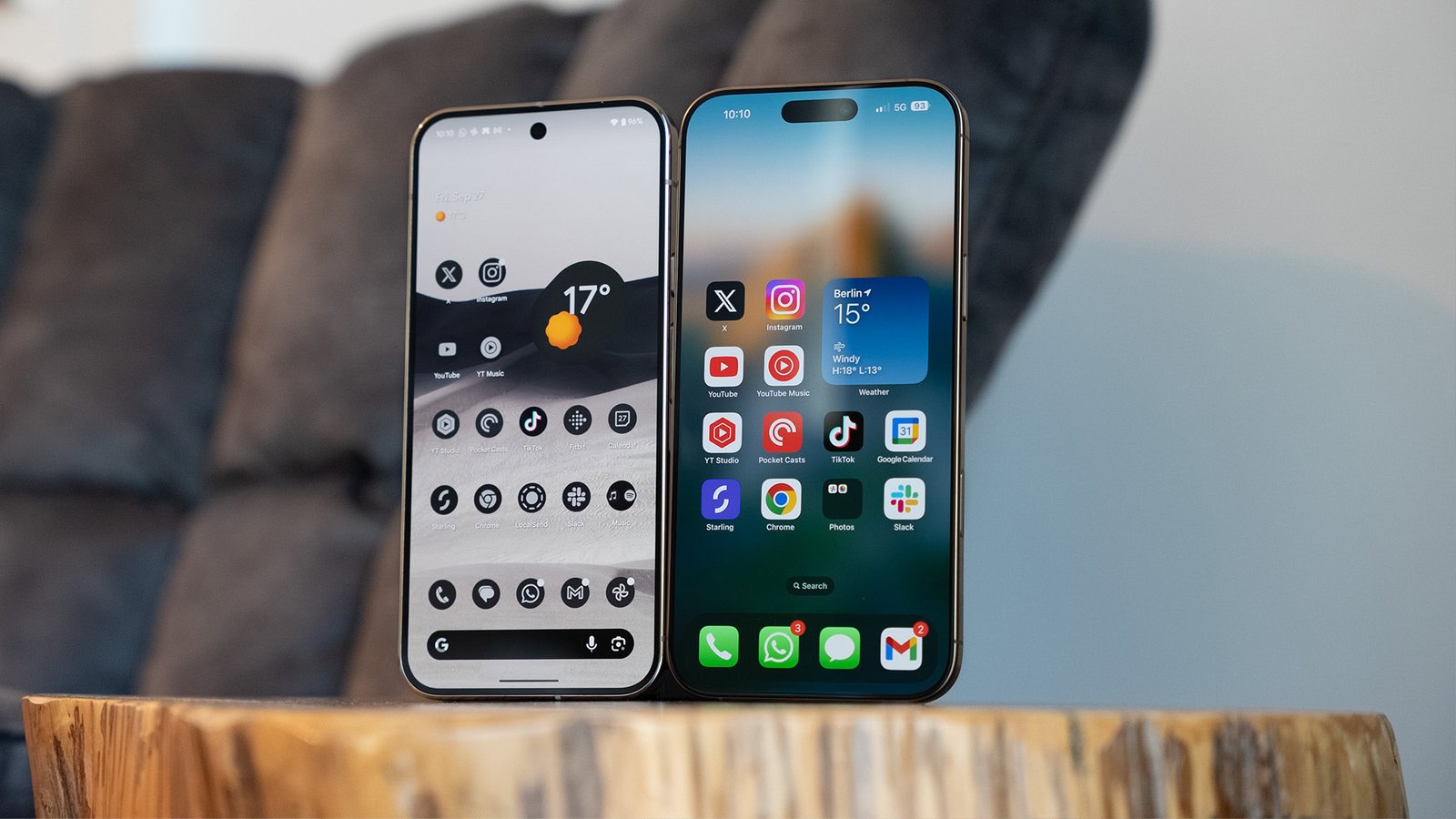
Design Homogenization: Many flagship Android phones are increasingly adopting design elements from the iPhone, particularly flat edges and curved corners, leading to a lack of distinctiveness among models from brands like Samsung and Google.
-
Influence of Repairability: The trend towards iPhone-like designs may be driven by new EU regulations promoting device repairability; this aesthetic has been seen as a means to improve serviceability, as demonstrated by recent Pixel models.
-
Consumer Discontent: A recent poll revealed that 47% of respondents dislike the trend of Android phones mirroring iPhone designs, highlighting a desire for more unique and recognizable smartphone aesthetics.
-
Need for Innovation: Smaller brands like HMD and Jolla demonstrate that it’s possible to create aesthetically distinct and repairable devices, underscoring the potential for larger OEMs to innovate beyond the iPhone blueprint.
Android Phones: A Copycat Conundrum
Many tech enthusiasts express frustration over Android phones mimicking iPhones. Recently, a survey revealed 47% of respondents dislike this trend, while only 11% embrace it. The momentum seems to intensify, with popular models like the Samsung Galaxy S24 and Google’s Pixel 9 sharing similar design traits.
Since Apple introduced flat edges in 2010 with the iPhone 4, competitors have been drawn to this aesthetic. However, this has led to a landscape where many Android devices appear almost indistinguishable from one another. While some manufacturers add unique rear covers and camera bumps, the overall feel often remains bland and uninspired.
Interestingly, flatter frames, which some see as an effort to enhance repairability, actually make phones feel bulkier and less comfortable. Previous models with curved edges, such as the Pixel 7 Pro, offer better ergonomics. Furthermore, the shift towards flat designs may be a response to upcoming EU regulations that favor easier repairs.
Nevertheless, innovation remains possible. Manufacturers like HMD and Jolla showcase how unique designs can achieve aesthetic appeal and enhanced repairability. HMD’s Skyline, for instance, avoids the flat-frame trend entirely, offering rounded sides instead. The Jolla Phone also includes features like a removable battery and microSD card slot, proving that creativity still thrives outside of Apple’s influence.
As more brands embrace their individuality, they can elevate the smartphone experience. The market benefits when manufacturers push beyond imitation. History shows that smartphones can be both beautiful and functional. The future holds promise for diverse designs that stand out, enabling consumers to choose phones that reflect their style—rather than just clones of the iPhone.
Expand Your Tech Knowledge
Stay informed on the revolutionary breakthroughs in Quantum Computing research.
Explore past and present digital transformations on the Internet Archive.
GadgetsV1
