

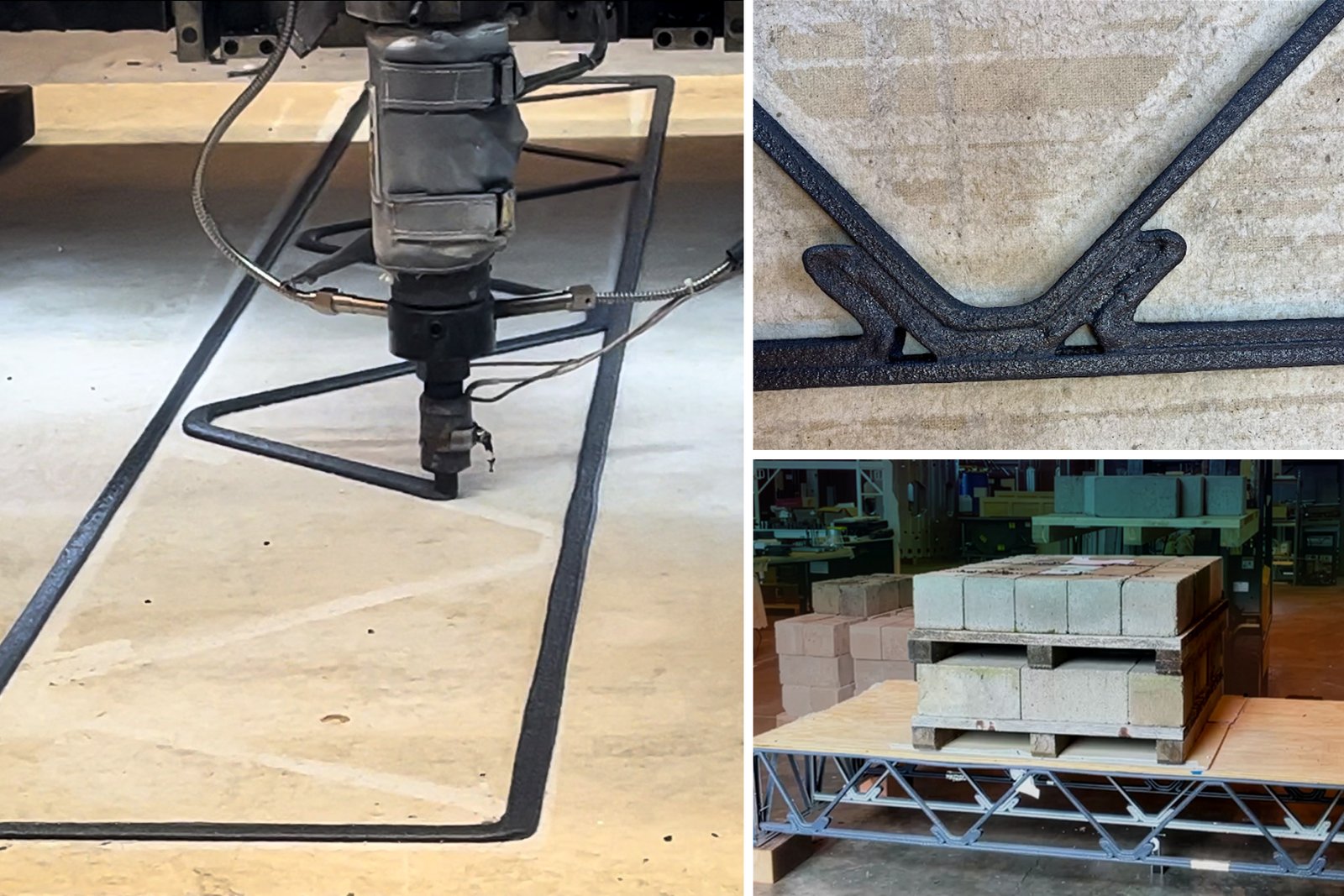
Top Highlights
-
Sustainable Innovation: MIT engineers are 3D printing structural elements for homes using recycled plastics, offering a lighter and more sustainable alternative to traditional wood framing.
-
Load-Bearing Success: The 3D-printed floor trusses, made from recycled plastic, support over 4,000 pounds, surpassing U.S. building standards, and can be produced in just 13 minutes each.
-
Addressing Housing Crisis: With a projected need for 1 billion new homes by 2050, this innovative approach could mitigate the demand for timber and reduce the environmental impact of housing construction.
-
Utilizing Dirty Plastics: The research aims to repurpose dirty plastic waste from bottles and containers directly into structural components, paving the way for sustainable, local micro-factories that can build homes where they are most needed.
Your Future Home Might Be Framed with Printed Plastic
The plastic bottle you recently recycled could play a crucial role in tomorrow’s housing. Researchers at MIT are using recycled plastic to 3D print building components like beams and trusses. This innovation promises lighter, modular, and more sustainable homes compared to traditional wood framing.
In a study published at the Solid FreeForm Fabrication Symposium, the MIT team showcased a 3D-printed floor truss system made from recycled plastics. Typically, wooden floor trusses connect at metal plates, resembling a ladder. By contrast, MIT’s trusses weighed about 13 pounds each and supported over 4,000 pounds during testing.
The project began under MIT’s HAUS initiative, where engineers aim to construct homes from recycled polymer products. As demand for housing rises globally, building with wood may not be feasible. AJ Perez, a project leader, notes that a billion new homes could be needed by 2050. Using recycled plastics could significantly reduce the need to clear-cut forests.
Currently, 3D printing primarily focuses on concrete and clay. MIT’s approach stands out by considering dirty, recycled plastic—materials often viewed as waste. The research team envisions shredding used bottles and directly transforming them into building materials. This method not only conserves resources but reduces transportation impacts.
The study explored the structural integrity of the printed trusses, ensuring they met existing building codes. Each truss underwent rigorous testing, demonstrating a high stiffness-to-weight ratio. This means they can support weight without bending excessively, making them suitable for floor systems.
Researchers at MIT continue to refine their process. They aim to streamline production costs to compete with traditional materials. Future applications could involve setting up mini-factories near high volumes of plastic waste, further enhancing sustainability.
With this groundbreaking work, the potential for printed plastic in construction looks promising. By turning trash into treasured building blocks, MIT could help address both housing shortages and environmental challenges.
Stay Ahead with the Latest Tech Trends
Stay informed on the revolutionary breakthroughs in Quantum Computing research.
Discover archived knowledge and digital history on the Internet Archive.
QuantumV1
