

Essential Insights
-
Historical Context: The article reflects on the evolution of sound recording from the phonautograph invented by Édouard-Léon Scott de Martinville in the 1850s to Thomas Edison’s commercial phonograph in 1877, highlighting the significance of preserving voices and songs in history.
-
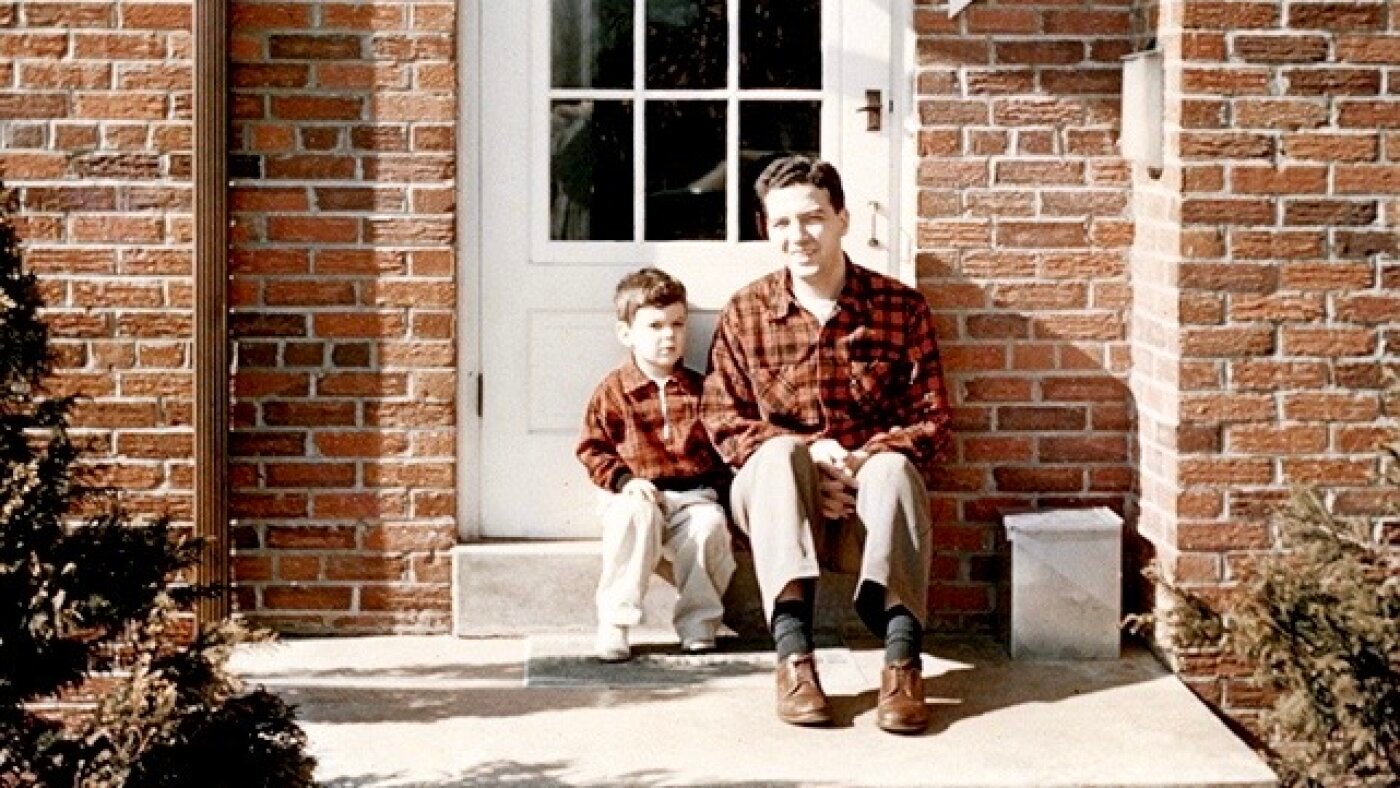
Personal Connection: Bob Mondello shares a poignant personal narrative connected to the movie The History of Sound, which coincides with the year of his father’s birth (1919) and leads him to reflect on his own experiences with sound recording, particularly with his late father.
-
Search for Memories: After realizing he had no recordings of his father, Bob recounts a journey to find a voice recording of his dad, eventually discovering a recording of him presenting a case at the Supreme Court, which filled him with nostalgia and memories of his youth.
-
Emotional Impact: The article concludes with a reflection on the profound emotional resonance of hearing his father’s younger voice again, emphasizing the invaluable nature of recorded sound as a medium for keeping memories alive.
The Lasting Impact of Sound Recording
Movies often connect us to deeper emotional truths. Such was my experience with The History of Sound, a period drama that highlights the significance of preserving voices through early recording technology. It struck a personal chord when I learned that the film is set in 1919, the same year my father was born. The film portrays two music conservatory students, David and Lionel, who venture into the woods to capture folk songs using primitive recording equipment. Their quest made me ponder the magic of recorded sound, once an ephemeral moment, now a lasting artifact.
In the past, audio recording served as a means of study, not playback. Édouard-Léon Scott de Martinville, for example, created the phonautograph to analyze sound waves but did not aim to preserve them for future generations. It wasn’t until Thomas Edison introduced the phonograph in 1877 that people could revisit recorded voices. As I reflected on my personal connection to this history, I found myself regretting that I hadn’t recorded my father’s voice before he passed away. My memories were limited to snippets, including a hauntingly brief voicemail that faded with the changing technology.
A Search for Connection
Motivated by the film, I began searching for my father’s voice in the annals of archival recordings. My quest, while filled with nostalgia, also sparked conversations about the importance of preserving sound. Just when I felt lost in my search, a friend found a vintage recording from a Supreme Court case where my father presented an argument. Listening to that recording transported me back to my childhood, reviving memories of his younger self—secure, articulate, and engaging.
This moment underscored two key insights: the inherent value of preserving voices and how technology can bridge emotional gaps. My father’s voice, though distant, became a physical connection to my past, merging the history of sound with my personal joy. As we embrace advancements in digital recording, it’s vital to remember that these tools do more than capture sound—they preserve legacies. In a world where voices can easily vanish, technology allows us to keep them alive, reminding us of both who we were and who we continue to be.
Discover More Technology Insights
Dive deeper into the world of Cryptocurrency and its impact on global finance.
Explore past and present digital transformations on the Internet Archive.
TechV1
