

Quick Takeaways
-
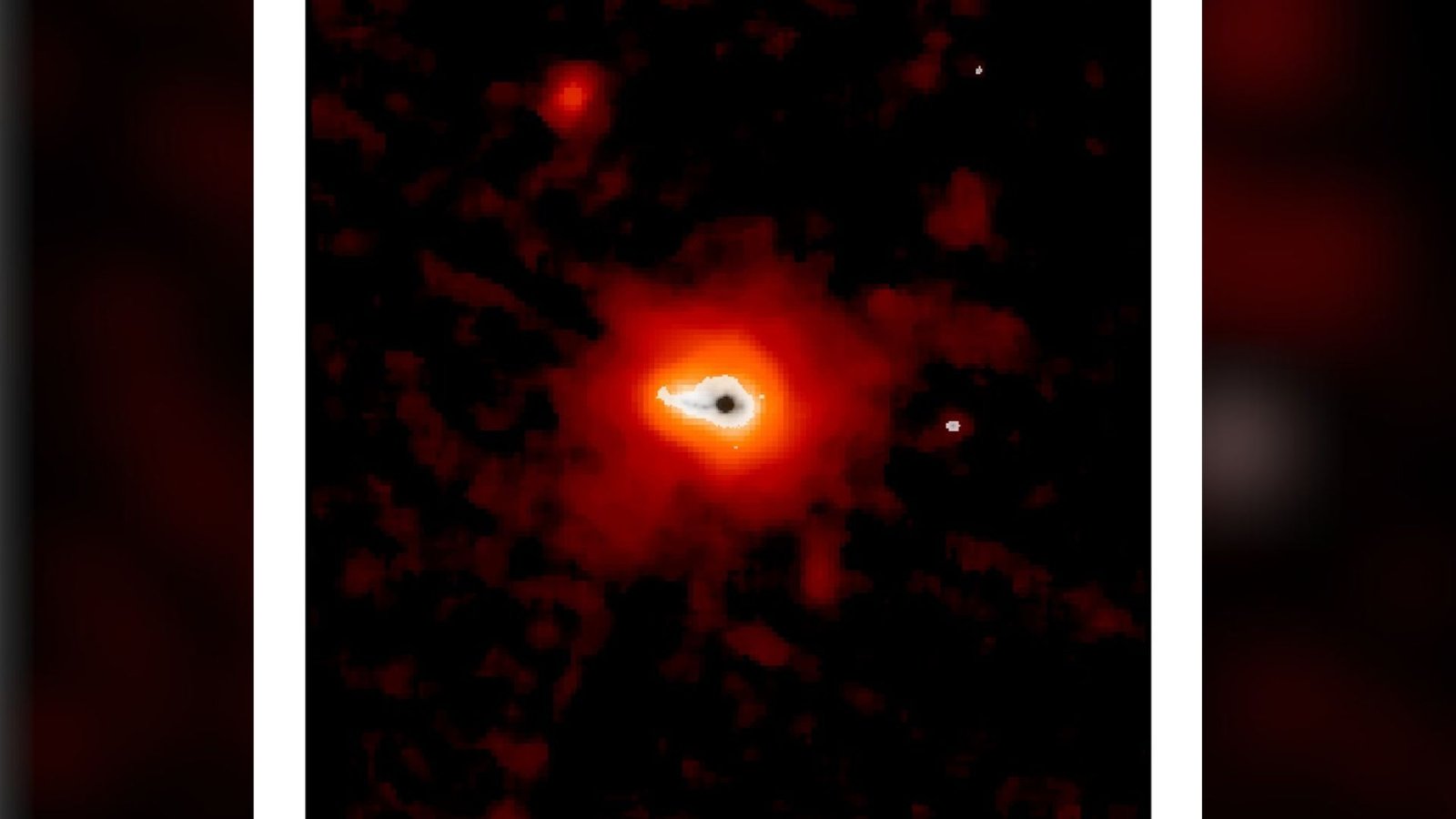
Revolutionary Findings: Astronomers using the James Webb Space Telescope (JWST) have detected tiny dust particles from the distant galaxy Makani, surviving in extreme cosmic conditions that normally would destroy them.
-
Galactic Dynamics: This study offers new insights into how galaxies “breathe,” grow, and recycle materials essential for future star formation, revealing a complex interplay of dust and gas.
-
Survival Mechanism: The research suggests a mechanism called “cloud–wind mixing” allows dust to evade destruction by being shielded by cooler gas pockets, even in the presence of scorching hot gases.
-
Future Research Potential: There are plans for further exploration of dust beyond galaxies, which could enhance our understanding of cosmic material movement and galaxy evolution over time.
Astronomers Discover Surprising Dust Journey
Astronomers using the James Webb Space Telescope (JWST) have made a groundbreaking discovery. They found tiny dust particles traveling far beyond their home galaxy. This dust has survived a hazardous journey through space, defying expectations.
The dust comes from the galaxy Makani, which means “wind” in Hawaiian. This compact galaxy recently experienced intense bursts of star formation. These events released powerful galactic winds, pushing gas and dust into the galaxy’s halo, known as the circumgalactic medium.
Using JWST’s infrared instruments, the team detected faint emissions from polycyclic aromatic hydrocarbons (PAHs). These complex organic molecules serve as indicators of dust’s behavior in harsh cosmic conditions. Remarkably, much of this dust reached the circumgalactic medium, despite signs of erosion. Over time, PAH molecules shrink and become more ionized, illustrating gradual destruction.
The journey of this dust occurs in an environment hotter than 17,000 degrees Fahrenheit. Under these extreme conditions, one would expect the dust to vaporize. Surprisingly, most of the dust persists. Researchers believe cooler gas pockets shield the dust, allowing it to survive.
This process is known as “cloud–wind mixing.” It protects dust particles as they travel through hotter gases. Thus, astronomers gain a new perspective on the life cycle of galaxies and how they recycle material.
Future research may extend these observations even further. Scientists aim to detect dust in the great voids between galaxies, potentially tracing journeys of over a million light-years.
Galaxies are not static; they are dynamic systems. Understanding how they evolve improves our knowledge of cosmic processes. Insights from these findings could shape future technologies and enhance our understanding of the universe.
Expand Your Tech Knowledge
Stay informed on the revolutionary breakthroughs in Quantum Computing research.
Access comprehensive resources on technology by visiting Wikipedia.
SciV1
