

Quick Takeaways
-
Nanoparticle Pollution: Common hair care products combined with heat tools generate nanoparticle air pollution comparable to standing by a busy road, releasing particles up to 500 nanometers in size.
-
Health Risks: The study from Purdue University highlights significant health risks, as inhalation of these nanoparticles could lead to lung inflammation and other damages, raising concerns about daily hair care routines.
-
Heating Threshold: Heating hair products above 300 °F (149 °C) dramatically increases nanoparticle production; cooler temperatures result in significantly lower emissions trapped in the hair.
-
Recommendations: Researchers advise improved ventilation during hair care processes and call for further studies to better understand nanoparticle emissions and their health implications.
Hairstyle Pollution on Par with Busy Traffic
A recent study highlights a surprising environmental concern: your hair care routine might produce air pollution matching that of busy streets. Researchers from Purdue University found that common styling products combined with heat appliances generate nanoparticles—tiny particles measuring up to 500 nanometers. This size is about 200 times smaller than a human hair, making them capable of penetrating deep into the lungs.
Nusrat Jung, a civil engineer involved in the study, expressed alarm at the findings. “The number of nanoparticles inhaled from typical hair care products was far greater than we ever anticipated,” she stated. This research marks a significant shift, as little has been known about the health risks tied to everyday hair care practices.
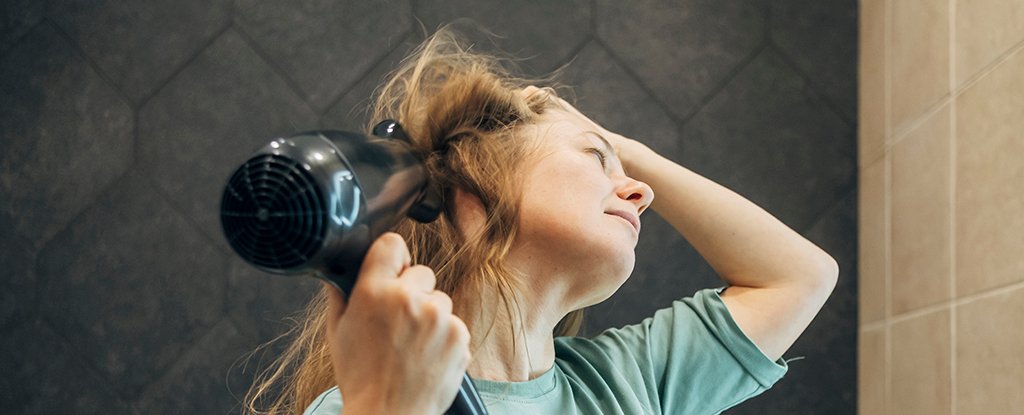
To investigate, the team set up a specialized tiny house lab. Seven volunteers engaged in 21 hair care routines, utilizing various products and appliances like straighteners and curlers. They measured the ensuing nanoparticle pollution. Some routines lasting only 10 to 20 minutes generated over 100,000 nanoparticles per cubic centimeter.
The researchers found that heating hair products above 300 °F (149 °C) significantly increased nanoparticle release. In contrast, lower temperatures produced fewer particles, which typically remained on the hair rather than entering the air. “Heat is the main driver,” noted researcher Jianghui Liu, as certain chemicals in the products volatilize and form these new nanoparticles.
While the exact health impacts of these particles remain unclear, previous studies reveal potential links to inflammation and tissue damage in lungs exposed to similar pollutants. The researchers advise anyone using heated styling tools to ensure good ventilation in their surroundings.
Further investigations are necessary to explore the chemical makeup of these nanoparticles and their effects on health. By addressing these gaps, future studies can enhance our understanding of indoor air pollution linked to hair care, providing valuable insights for improving air quality in our homes.
This research, published in Environmental Science & Technology, emphasizes the intersection of personal care and environmental health—a reminder that even our daily beauty routines can carry unexpected consequences.
Discover More Technology Insights
Explore the future of technology with our detailed insights on Artificial Intelligence.
Discover archived knowledge and digital history on the Internet Archive.
QuantumV1
