

Fast Facts
-
Genetic Ambiguity: Researchers discovered that the microbe Methanosarcina acetivorans can interpret the UAG codon as either a stop signal or as an instruction to insert the rare amino acid pyrrolysine, defying the traditional one-to-one correspondence in genetic coding.
-
Biological Flexibility: This capacity for ambiguous coding allows the microbe to produce two distinct proteins from the same genetic instruction, demonstrating that biological systems can thrive with a less precise genetic code.
-
Implications for Health: Microbes that metabolize methylamines, including M. acetivorans, play a crucial role in human health by limiting harmful substances associated with diets high in red meat.
-
Future Medical Applications: The findings suggest that altering stop codons might provide new therapeutic strategies for treating genetic disorders caused by premature stop codons, potentially restoring functional protein production.
Breaking the Genetic Code
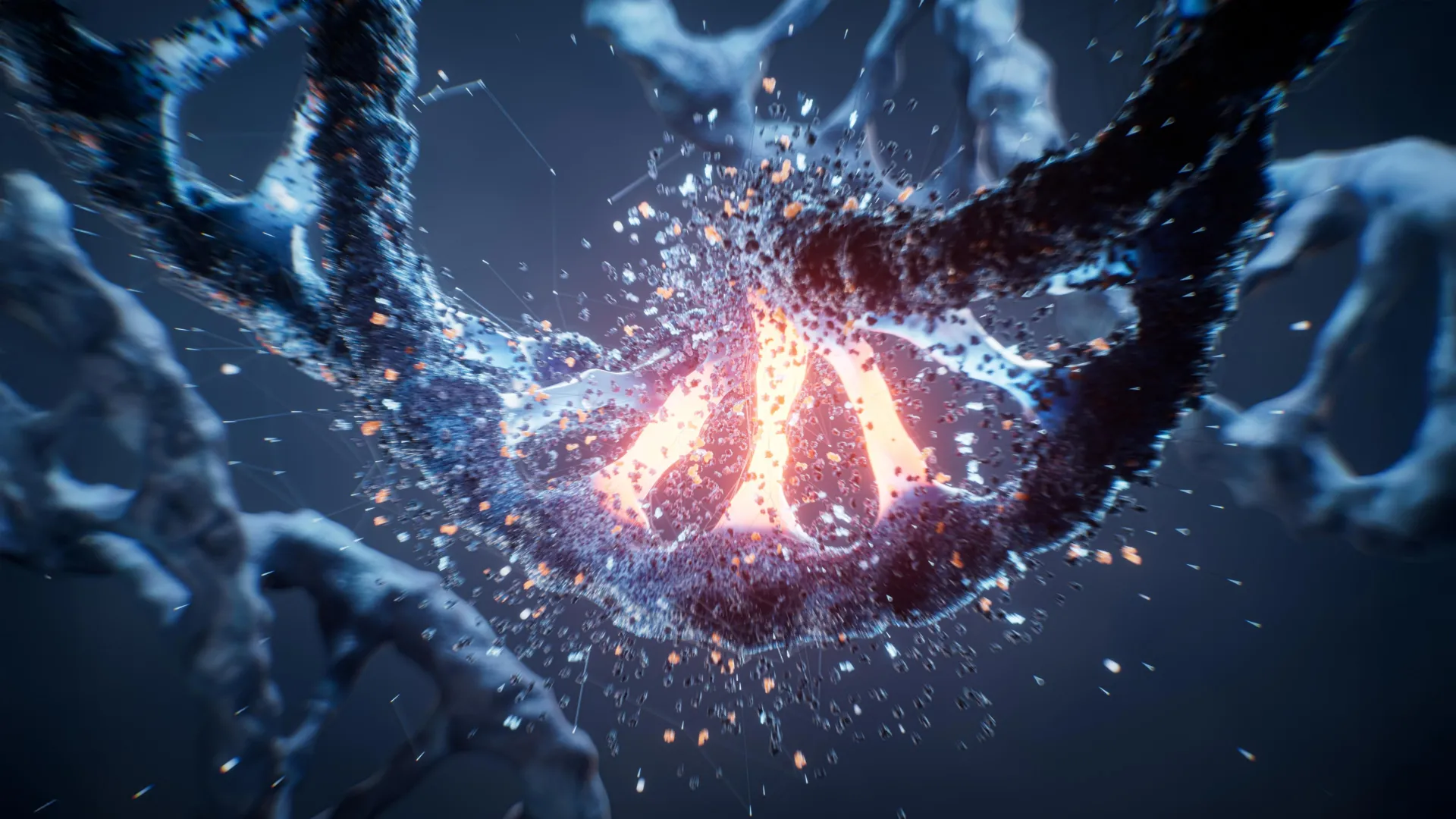
Recent research reveals a groundbreaking discovery in genetics. Scientists at the University of California, Berkeley identified a microbe, Methanosarcina acetivorans, that challenges a long-standing rule of the genetic code. Typically, genetic information from DNA is read in sets of three letters, called codons. Each codon typically corresponds to one specific amino acid or signals the end of a protein. However, this microbe demonstrates flexibility in interpreting a particular stop codon. Sometimes, it halts protein production, while other times, it continues and inserts an amino acid. This adaptability enables the organism to create two distinct proteins from the same genetic instruction.
This finding expands the understanding of genetic ambiguity. Researchers previously considered this ambiguity a flaw, yet it may be a beneficial feature of biological systems. The microbe’s ability to tolerate this uncertainty allows it to produce a rare amino acid, pyrrolysine, vital for breaking down methylamine, a compound found in the human gut. This adaptability highlights the potential of life to function outside conventional genetic rules.
Implications for Medicine and Human Health
The implications of this discovery extend beyond theoretical biology. Methylamines play a crucial role in human health. Certain microbes that consume methylamines help reduce harmful compounds in the liver, potentially lowering the risk of cardiovascular disease. Moreover, the flexibility of the genetic code could lead to new medical strategies. Conditions caused by premature stop codons, like cystic fibrosis, affect about 10% of genetic disorders. Researchers speculate that allowing slight leeway in these stop codons might enable cells to produce more functional proteins, thereby alleviating symptoms.
This newfound understanding of how microbes can interpret genetic instructions opens exciting pathways for therapeutic advancements. It stands as a testament to the complexity of life and reinforces the idea that biology often operates with more nuance than previously believed. As research continues, the potential for medical breakthroughs promises to contribute significantly to the human journey, reshaping our approach to genetic therapies and understanding of life itself.
Stay Ahead with the Latest Tech Trends
Learn how the Internet of Things (IoT) is transforming everyday life.
Discover archived knowledge and digital history on the Internet Archive.
TechV1
