

Essential Insights
-
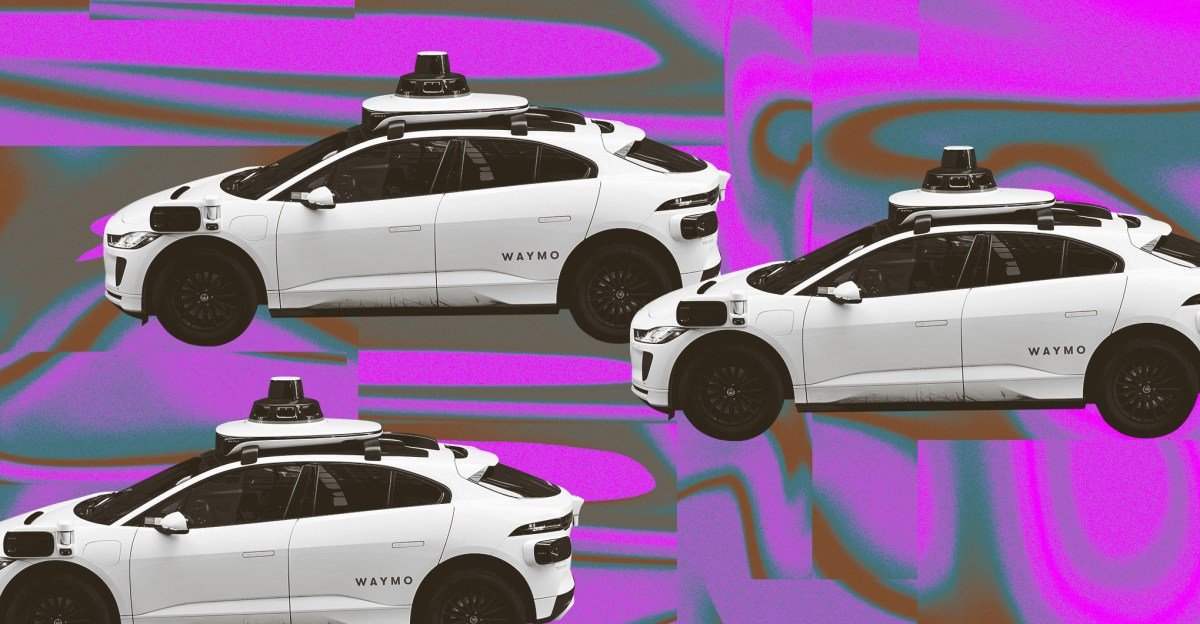
Waymo’s Expansion: Waymo plans to launch a fully driverless robotaxi service in London by 2026, marking its first international expansion.
-
Current Status: The UK currently lacks fully driverless vehicles, with pilot programs expected to begin in spring 2026 under the Automated Vehicles Act of 2024.
-
Data Collection Phase: Waymo will deploy supervised robotaxis for data gathering in London soon, transitioning to a commercial service next year via its ridehail app.
-
UK Operations: The company is strengthening its presence in London with local engineering hubs and staffing efforts, while also running trials in cities like Tokyo.
Emergence of Robotaxis in London
Waymo’s announcement about launching driverless robotaxis in London by 2026 marks a significant step in the technological landscape. As the company prepares to deploy supervised vehicles for data collection, it aims to gather insights into London’s unique road conditions. This method helps ensure safety before transitioning to fully autonomous rides. Meanwhile, London lacks fully driverless vehicles, creating a new competitive scene for the iconic black cabs. The UK government will start trials for autonomous ride-hailing services in early 2026, paving the way for future passengers to experience this innovation.
Despite practical concerns about technology and infrastructure, the integration of robotaxis offers promise. Waymo’s established presence in the UK, with engineering hubs in London and Oxford, gives it a solid foundation. Moreover, the company’s experience with its fleet in cities like San Francisco and Phoenix supports efficient adaptations to London’s complexities. Collaboration with companies like Moove for fleet maintenance adds another layer of reliability. Therefore, while challenges exist, the potential for seamless transportation solutions remains strong.
Prospects for Widespread Adoption
As London gears up for autonomous taxis, public perception will play a crucial role. Many Londoners may embrace the convenience and efficiency that driverless cars can offer. However, others might express hesitance due to safety concerns. Engaging the community through transparent communication will be essential. Furthermore, Waymo’s technology aims to ease traffic and reduce emissions. This perspective contributes positively to the ongoing conversation about urban mobility.
The timeline for widespread adoption hinges on effective government legislation and successful pilot programs. The Automated Vehicles Act of 2024 will set the regulatory framework for this transformative change. If all goes well, London could pave the way for other cities to follow suit. As we move forward, the introduction of Waymo’s robotaxis becomes more than just a technological advancement—it embodies a step toward a more efficient and environmentally friendly transportation future. By embracing this shift, we enhance our collective journey into urban mobility.
Continue Your Tech Journey
Dive deeper into the world of Cryptocurrency and its impact on global finance.
Access comprehensive resources on technology by visiting Wikipedia.
TechV1
