

Essential Insights
-
Network Improvements: Google’s Find My Device network has significantly enhanced since its April 2024 launch, becoming as effective as Apple’s and Tile’s in ideal urban conditions but still lagging in rural areas and with moving tags.
-
Design Choices: Google prioritizes user privacy by aggregating location data, requiring multiple nearby Android devices to pinpoint a tracker, unlike Apple’s direct and quicker location tracking, which can create broader search areas for moving targets.
-
Performance Discrepancies: Despite algorithm updates that improved speed and tracking effectiveness—items being located four times faster—Google’s network tends to provide less precise locations compared to Apple and sometimes falls short, particularly when items are in less crowded spaces.
- Philosophical Trade-offs: Google’s approach favors privacy over real-time tracking capabilities, creating a network that’s safe from stalking but less reliable for accurate, continuous tracking, suggesting a deliberate choice to prioritize user safety over absolute performance.
Assessing Google’s Progress
When Google launched its Find My Device network in April 2024, expectations ran high. Yet, the rollout faced criticism. Initial reviews pointed to sluggish performance, particularly when compared to Apple’s AirTag. Over the past year, improvements emerged, but are they enough?
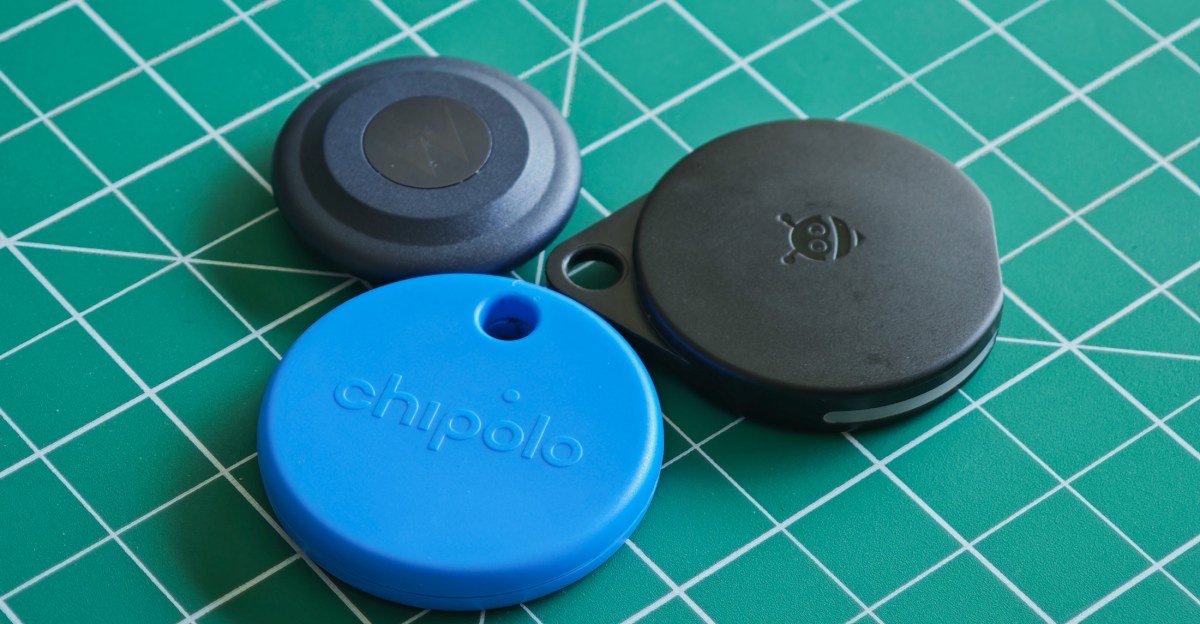
Testing various trackers—Pebblebee, Chipolo, and Motorola—revealed an evolving network. In ideal conditions, Google performs comparably to its competitors. However, challenges linger in rural areas and with moving tags. Many users still struggle to find their belongings during these scenarios. Google’s cautious approach to user privacy impacts functionality. For instance, the network aggregates location data, requiring multiple Android devices to verify a tracker’s location. This design prioritizes safety but leads to less-effective tracking.
The Road Ahead
As I continued testing, it became clear that while improvements exist, a significant gap remains between Google and Apple’s tracking capabilities. Users benefit from a network that protects privacy, but at the cost of precision. Apple’s AirTag consistently finds lost items faster and more accurately, especially when items are in motion.
Moreover, Google’s reliance on aggregated data can hinder effectiveness in real-world situations. Google’s choice emphasizes safety, yet many users want robust tracking to regain lost items swiftly. This trade-off emphasizes a critical question: does the average user prefer privacy over functionality?
Ultimately, Google has made strides, but its approach invites debate. The Find My Device network represents a significant contribution to the tech landscape, even if it doesn’t yet meet everyone’s expectations. As advancements continue, one wonders whether users will prioritize safety or seek more reliable tracking solutions.
Stay Ahead with the Latest Tech Trends
Learn how the Internet of Things (IoT) is transforming everyday life.
Stay inspired by the vast knowledge available on Wikipedia.
TechV1
