

Essential Insights
-
High-Altitude Potential: NASA is developing a reliable air traffic management system for high-altitude flights (50,000 feet and above) to improve internet connectivity and provide disaster situational awareness.
-
Enhanced Safety Protocols: The new system, focusing on “station-keeping,” will allow multiple operators to share live flight data, conflict alerts, and collaborate in real time, ensuring safer operations in high-altitude airspace.
-
Simulation Success: A 2025 simulation involving NASA and industry partners evaluated data-sharing capabilities among high-altitude operators, leading to improved visualization and decision-making for overlapping flight trajectories.
-
Future Collaboration: NASA plans to share findings with the FAA and continues to work with industry partners to facilitate safe, scalable high-altitude operations, paving the way for new commercial and humanitarian missions.
NASA Advances High-Altitude Traffic Management
High-altitude flight is gaining significant attention. Sectors like telecommunications and emergency response are particularly interested. To improve airspace accessibility, NASA is developing an advanced air traffic management system for these high altitudes. This system will be enhanced by real-time data obtained from a research balloon in Earth’s stratosphere.
Aircraft operating at altitudes of 50,000 feet or higher offer unique benefits. These include providing internet connectivity to underserved areas and improving situational awareness on the ground. Such capabilities allow for early disaster warnings, potentially saving lives and resources.
Station-keeping, which involves remaining in one area for extended periods, is essential for balloons and airships. This necessitates a new management system tailored to high-altitude operations. Current methods remain largely manual and inconsistent. Therefore, NASA aims to create a reliable system that prioritizes safety in high-altitude flights.
A NASA researcher emphasized the need for a scalable solution. The new system will enhance shared awareness among operators, identify potential conflicts, and allow for safe mission completion. NASA’s collaboration with companies like Aerostar and Sceye ensures they leverage industry expertise when evaluating this system.
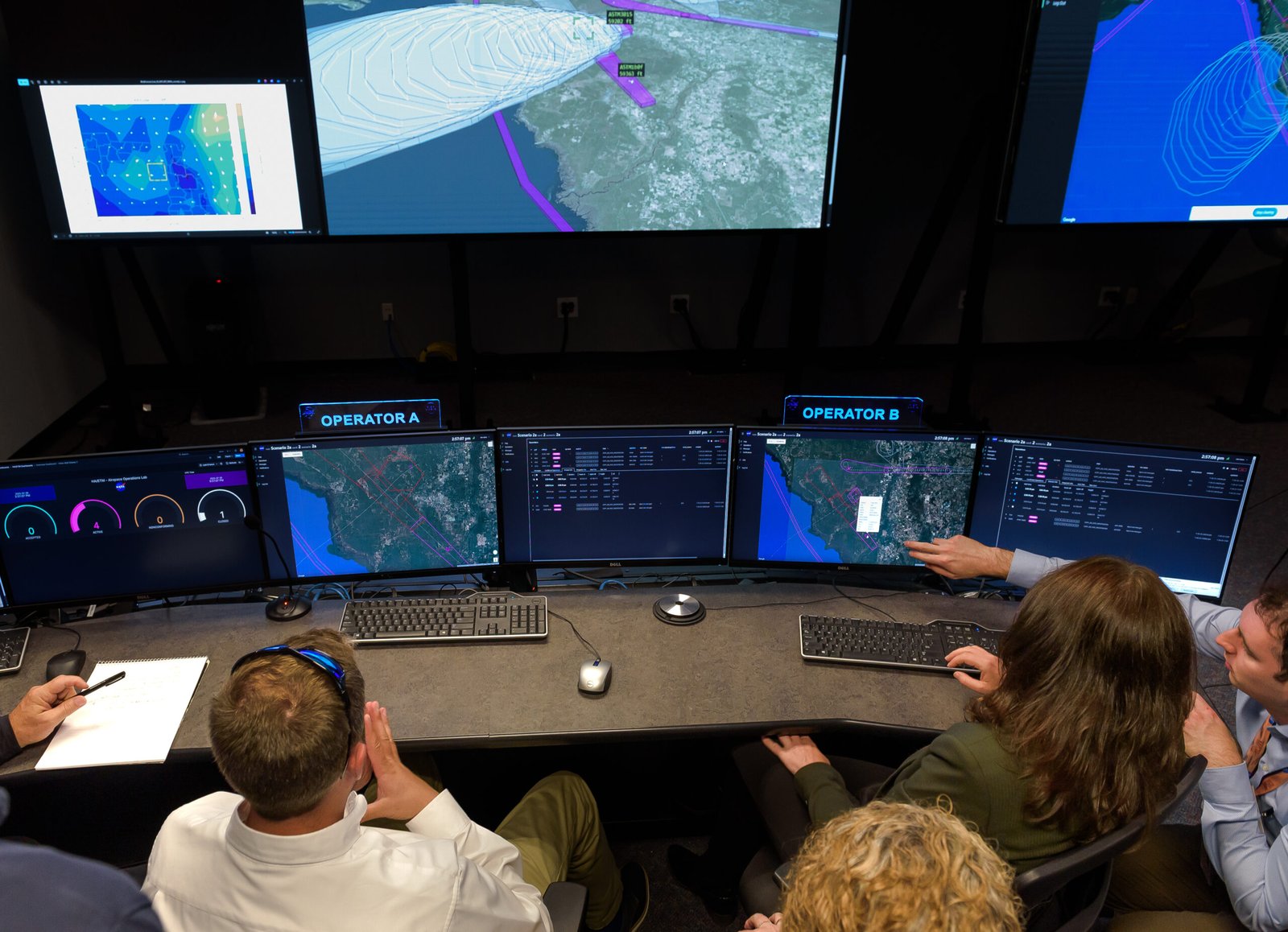
The new NASA air traffic system enables real-time data sharing. Operators can exchange live flight data, plans, and alerts regarding potential conflicts. This coordination proves crucial for safety. During a simulation set for 2025 at NASA Ames, researchers tested this data-sharing capability among operators of lighter-than-air vehicles.
In the simulation, personnel from multiple states shared flight information. They successfully transmitted telemetry data from an Aerostar balloon flying at 66,500 feet in South Dakota. This test not only improved flight-intent visualization but also marked the first live data sharing from the balloon itself.
Additionally, NASA researchers studied decision-making processes when flight paths overlap. This analysis will help refine rules and guidelines for high-altitude airspace operations, contributing to overall safety.
NASA has long tackled air traffic management challenges, leading to significant innovations over decades. These advancements have reduced fuel consumption, minimized accidents, and laid the groundwork for modern air traffic systems. The current project builds on earlier efforts focused on drone operations.
NASA plans to share findings from these simulations with the Federal Aviation Administration (FAA). This exchange will inform how to ensure safe, accessible, and scalable operations in high-altitude airspace. Continued collaboration with industry partners and the FAA remains crucial. NASA envisions a framework that opens doors for new commercial, scientific, and humanitarian missions.
This initiative is part of NASA’s Air Traffic Management Exploration project, under its Aeronautics Research Mission Directorate.
Continue Your Tech Journey
Stay informed on the revolutionary breakthroughs in Quantum Computing research.
Explore past and present digital transformations on the Internet Archive.
SciV1
