

Quick Takeaways
-
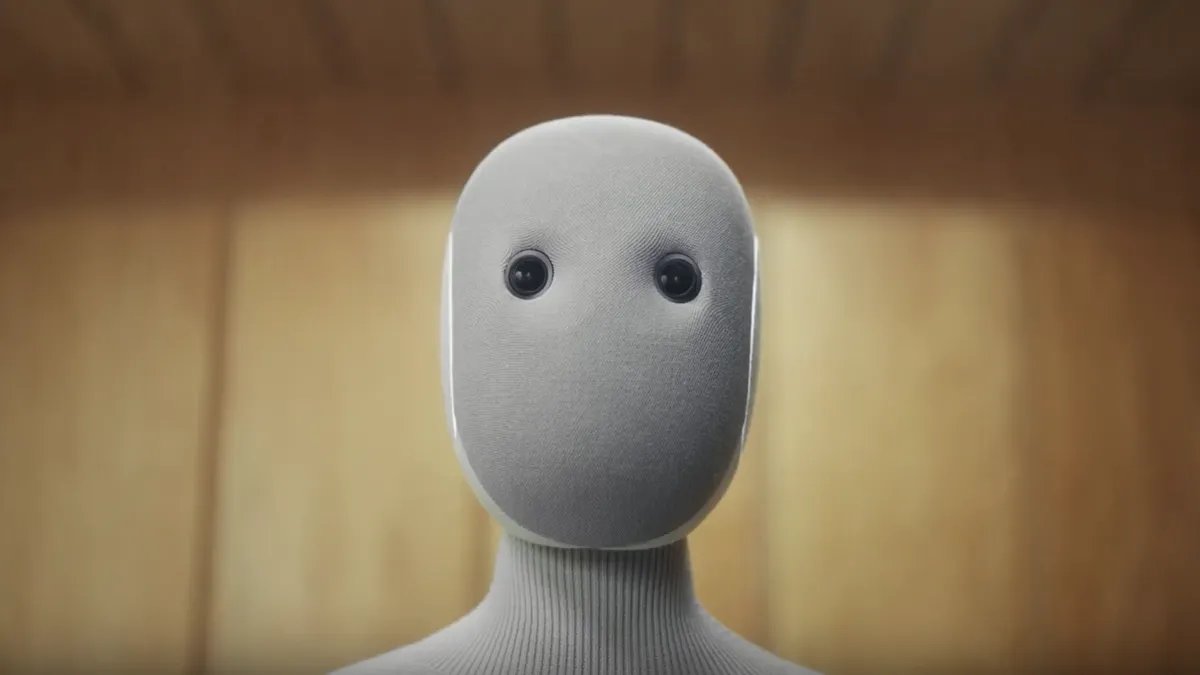
Introducing Neo: A humanoid robot standing 5’6″ and weighing as much as a golden retriever, Neo costs $20,000 and acts as a personal assistant, capable of tasks like folding laundry and loading dishwashers.
-
Preorder Opportunity: Early adopters can preorder Neo with a $200 down payment, positioning it as a “consumer-ready” humanoid, distinct from factory-focused robots from companies like Tesla.
-
Remote Operation: Currently, Neo requires significant human oversight, often needing to be teleoperated, though the company anticipates full autonomy by 2026, with a focus on learning from its environment.
-
Privacy and Control: Users must consent to Neo learning from their home interactions, but the company claims to implement privacy measures, including blurring out humans in its visual feed and restricting entry to certain areas.
Meet Neo: Your Potential Home Assistant
Imagine a humanoid robot standing 5 feet 6 inches tall and weighing about as much as a golden retriever. This is Neo, a personal assistant designed to help you with everyday chores. It can load your dishwasher, fold your laundry, and bring in groceries. Hey, it even climbs stairs and operates as a home entertainment system. However, this innovative technology comes at a steep price: $20,000.
For those eager to test this cutting-edge assistant, preorders are available for $200 down. While Neo aims to revolutionize household tasks, potential owners need to be aware that they will have to train the robot. Most operations will require remote assistance initially, which means that Neo may not be ready to work independently right away. As the product aligns itself with futuristic visions, it also emphasizes its difference from basic robot vacuums like Roomba.
Navigating Privacy Concerns with Neo
Owning Neo involves a unique social contract. It learns by observing its environment, raising valid privacy concerns. Neo processes visual and audio data, meaning it remembers interactions within your home. Although 1X assures users that the robot operates under strict privacy measures—like only listening when addressed—inviting an AI into your living space is a significant decision.
Moreover, the dependence on human operation starts conversations about the practicality of such technology. Experts like John Carmack suggest that companies should focus on the current reality of remote-operated machines rather than future promises of full autonomy.
As 1X prepares for the first shipments in 2026, they also plan to offer a subscription service, allowing broader access to this innovative technology. While Neo has a long way to go before meeting the expectations set by pop culture, it represents a promising leap toward smart living.
Stay Ahead with the Latest Tech Trends
Dive deeper into the world of Space and its vast mysteries.
Stay inspired by the latest discoveries from NASA.
IoTV1
