

Summary Points
-
Ancient Conditions: Early Earth had oxygen levels about a million times lower than today, with no forests or animals; ancient microbes thrived in low-oxygen environments, using iron for energy.
-
Research Findings: A study on iron-rich hot springs revealed microaerophilic iron-oxidizing bacteria as the dominant life forms, demonstrating an ecosystem where oxygen was both a product and a challenge for survival.
-
Microbial Dynamics: The interactions between iron oxidizers, anaerobes, and Cyanobacteria indicate a complex biogeochemical cycle that maintained low oxygen levels while recycling essential compounds like carbon and sulfur.
-
Implications for Life: Insights gained from this research deepen our understanding of life’s evolution on early Earth and enhance the search for extraterrestrial life in comparable geochemical environments.
Unlocking Life’s Secrets in Hot Springs
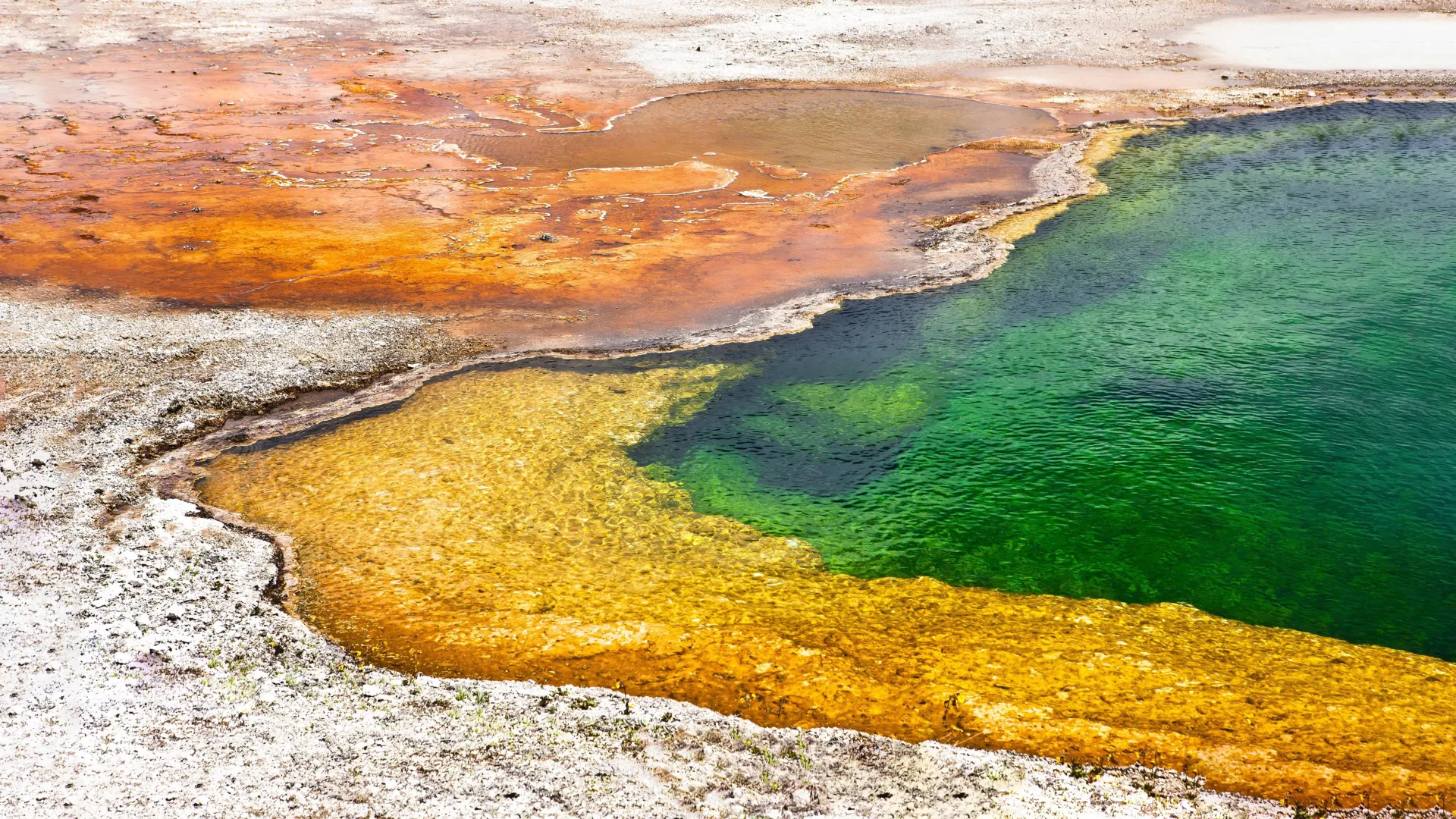
Japan’s iron-rich hot springs hold essential clues about life’s early beginnings on Earth. Recent research reveals that these springs, with their unique chemistry, mimic conditions from billions of years ago when our planet was largely devoid of oxygen. During that time, organisms relied on iron and minimal oxygen for survival. By studying five distinct hot springs, researchers found a diverse community of microbes thriving in these ancient-like conditions. Notably, microaerophilic iron-oxidizing bacteria dominated, converting ferrous iron into ferric iron while coexisting with the lesser-known Cyanobacteria. Such findings illuminate how early ecosystems could have functioned with limited oxygen, turning toxic waste into a resource.
Transitioning from an anoxic to an oxygen-rich environment marked a pivotal moment in Earth’s history: the Great Oxygenation Event. This transformation fundamentally altered the biosphere. By understanding today’s microbial communities in Japan’s hot springs, we gain insights into how life adapted during those crucial transitions. The presence of diverse microbes suggests that early ecosystems were complex and interconnected, revealing a framework for how life evolved. This research not only enhances our knowledge of Earth’s past but also sets the stage for exploring potential life on other planets with similar conditions. The lessons learned remind us that even the most hostile environments can harbor resilience and innovation, echoing the journey of life itself.
Implications for the Future
The implications of this research stretch far beyond Earth. As scientists search for life on other planets, understanding how early life adapted to harsh conditions can guide exploration efforts. For instance, planets or moons with iron-rich environments may harbor microbial life similar to what existed on early Earth. Additionally, the study sheds light on biogeochemical cycles, emphasizing the role of microbes in maintaining ecosystems. This knowledge can inform environmental strategies for preserving our planet’s biodiversity today.
Moreover, as we grapple with climate change, insights from ancient ecosystems offer potential solutions. By examining how early microbial communities thrived, scientists may find new methods to enhance sustainability and resilience in current ecosystems. The intersection of ancient biology and modern challenges presents an exciting frontier for research and innovation. Ultimately, the story of life on Earth is one of adaptation and survival; it inspires us to explore our past and leads us to possibilities that lie ahead.
Stay Ahead with the Latest Tech Trends
Stay informed on the revolutionary breakthroughs in Quantum Computing research.
Stay inspired by the vast knowledge available on Wikipedia.
TechV1
